
针对新抗原设计个性化癌症疫苗的新方法:在胰腺导管腺癌中的应用
Novel Methodology for the Design of Personalized Cancer Vaccine Targeting Neoantigens: Application to Pancreatic Ductal Adenocarcinoma.
作者信息
Savsani Kush, Dakshanamurthy Sivanesan
机构信息
Department of Surgery, Virginia Commonwealth University, Richmond, VA 23219, USA.
Lombardi Comprehensive Cancer Center, Georgetown University School of Medicine, Washington, DC 20007, USA.
出版信息
Diseases. 2024 Jul 11;12(7):149. doi: 10.3390/diseases12070149.
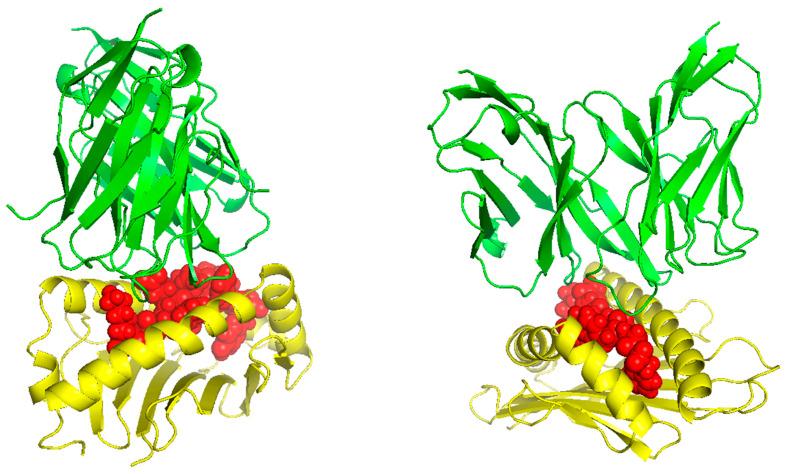
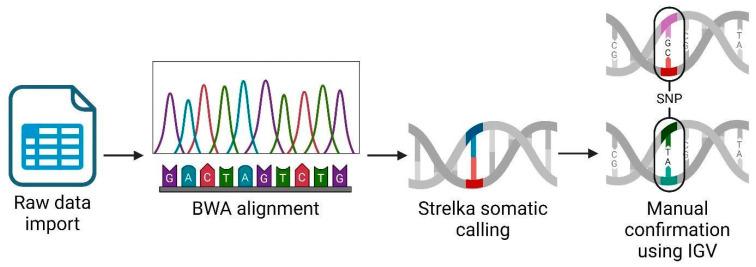
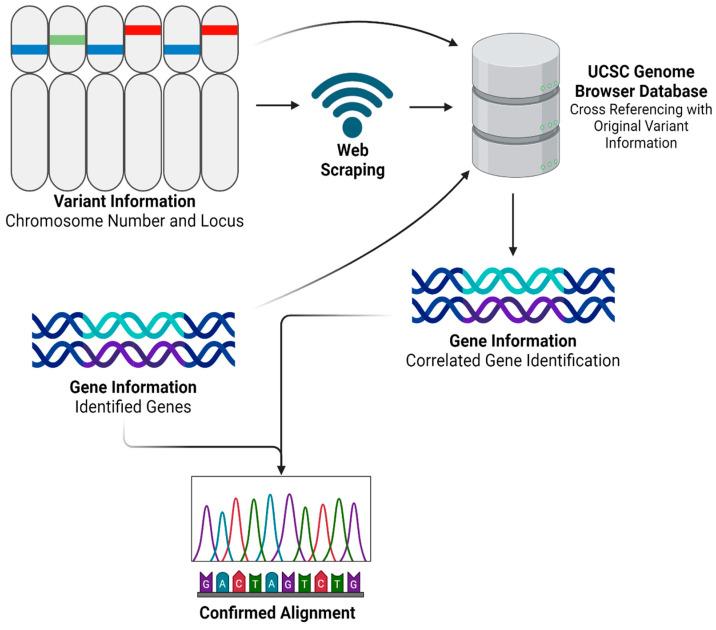
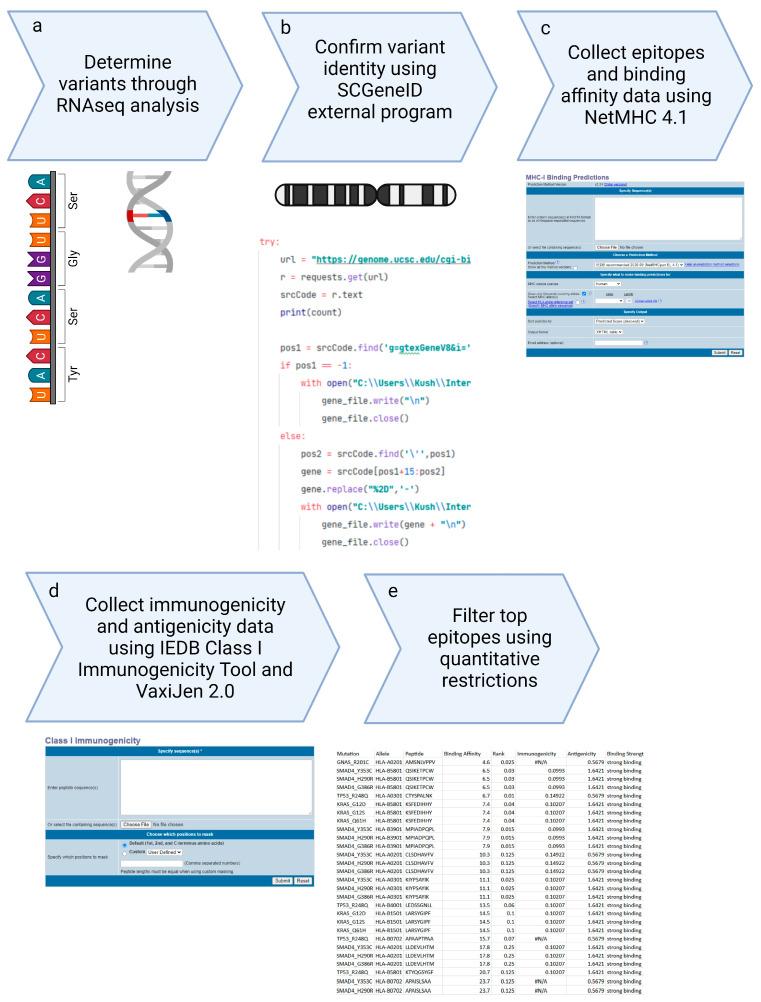
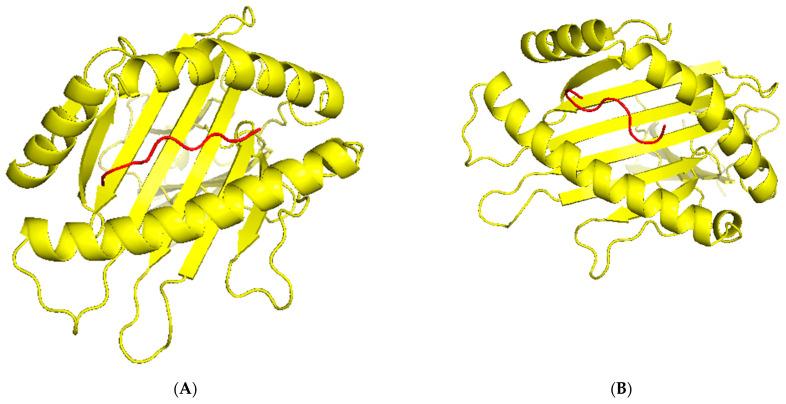
Personalized cancer vaccines have emerged as a promising avenue for cancer treatment or prevention strategies. This approach targets the specific genetic alterations in individual patient's tumors, offering a more personalized and effective treatment option. Previous studies have shown that generalized peptide vaccines targeting a limited scope of gene mutations were ineffective, emphasizing the need for personalized approaches. While studies have explored personalized mRNA vaccines, personalized peptide vaccines have not yet been studied in this context. Pancreatic ductal adenocarcinoma (PDAC) remains challenging in oncology, necessitating innovative therapeutic strategies. In this study, we developed a personalized peptide vaccine design methodology, employing RNA sequencing (RNAseq) to identify prevalent gene mutations underlying PDAC development in a patient solid tumor tissue. We performed RNAseq analysis for trimming adapters, read alignment, and somatic variant calling. We also developed a Python program called SCGeneID, which validates the alignment of the RNAseq analysis. The Python program is freely available to download. Using chromosome number and locus data, SCGeneID identifies the target gene along the UCSC hg38 reference set. Based on the gene mutation data, we developed a personalized PDAC cancer vaccine that targeted 100 highly prevalent gene mutations in two patients. We predicted peptide-MHC binding affinity, immunogenicity, antigenicity, allergenicity, and toxicity for each epitope. Then, we selected the top 50 and 100 epitopes based on our previously published vaccine design methodology. Finally, we generated pMHC-TCR 3D molecular model complex structures, which are freely available to download. The designed personalized cancer vaccine contains epitopes commonly found in PDAC solid tumor tissue. Our personalized vaccine was composed of neoantigens, allowing for a more precise and targeted immune response against cancer cells. Additionally, we identified mutated genes, which were also found in the reference study, where we obtained the sequencing data, thus validating our vaccine design methodology. This is the first study designing a personalized peptide cancer vaccine targeting neoantigens using human patient data to identify gene mutations associated with the specific tumor of interest.
个性化癌症疫苗已成为癌症治疗或预防策略中一条充满希望的途径。这种方法针对个体患者肿瘤中的特定基因改变,提供了一种更个性化、更有效的治疗选择。先前的研究表明,针对有限基因突变范围的通用肽疫苗无效,这凸显了个性化方法的必要性。虽然已有研究探索了个性化mRNA疫苗,但在此背景下尚未对个性化肽疫苗进行研究。胰腺导管腺癌(PDAC)在肿瘤学中仍然具有挑战性,需要创新的治疗策略。在本研究中,我们开发了一种个性化肽疫苗设计方法,利用RNA测序(RNAseq)来识别患者实体瘤组织中PDAC发生所依据的普遍基因突变。我们进行了RNAseq分析以修剪接头、读取比对和体细胞变异检测。我们还开发了一个名为SCGeneID的Python程序,用于验证RNAseq分析的比对结果。该Python程序可免费下载。利用染色体编号和基因座数据,SCGeneID沿着UCSC hg38参考集识别目标基因。基于基因突变数据,我们开发了一种针对两名患者中100个高度普遍基因突变的个性化PDAC癌症疫苗。我们预测了每个表位的肽-MHC结合亲和力、免疫原性、抗原性、致敏性和毒性。然后,我们根据之前发表的疫苗设计方法选择了前50个和100个表位。最后,我们生成了pMHC-TCR 3D分子模型复合体结构,可免费下载。所设计的个性化癌症疫苗包含在PDAC实体瘤组织中常见的表位。我们的个性化疫苗由新抗原组成,能够对癌细胞产生更精确、更有针对性的免疫反应。此外,我们鉴定出的突变基因也在我们获取测序数据的参考研究中被发现,从而验证了我们的疫苗设计方法。这是第一项利用人类患者数据设计针对新抗原的个性化肽癌症疫苗以识别与感兴趣的特定肿瘤相关基因突变的研究。
 Zotero 插件