
通过神经节苷脂连接 II 型不耐热肠毒素 LT-IIc 诱导三阴性乳腺癌细胞的新型细胞毒性机制。
A Novel Cytotoxic Mechanism for Triple-Negative Breast Cancer Cells Induced by the Type II Heat-Labile Enterotoxin LT-IIc through Ganglioside Ligation.
机构信息
Department of Microbiology and Immunology, The Jacobs School of Medicine and Biomedical Sciences, The University at Buffalo, The State University of New York, Buffalo, NY 14203, USA.
The Witebsky Center for Microbiology and Immunology, The University at Buffalo, The State University of New York, Buffalo, NY 14203, USA.
出版信息
Toxins (Basel). 2024 Jul 11;16(7):311. doi: 10.3390/toxins16070311.
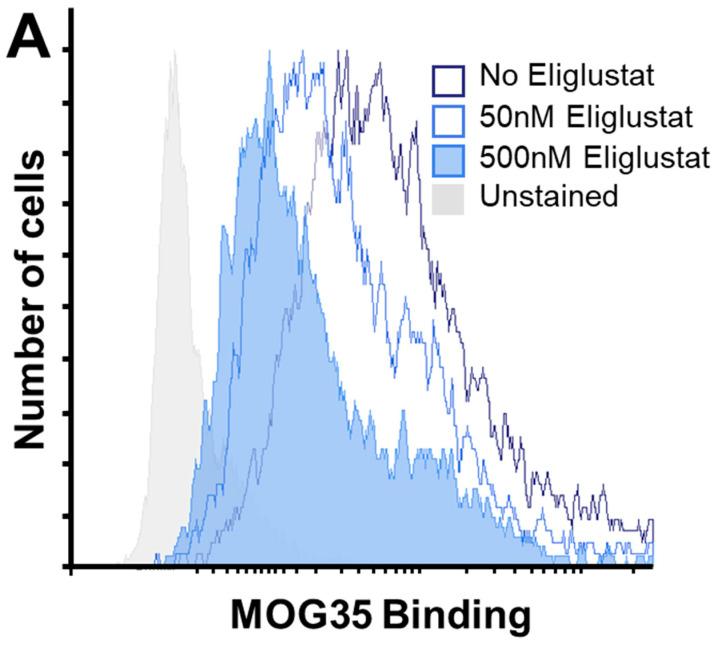
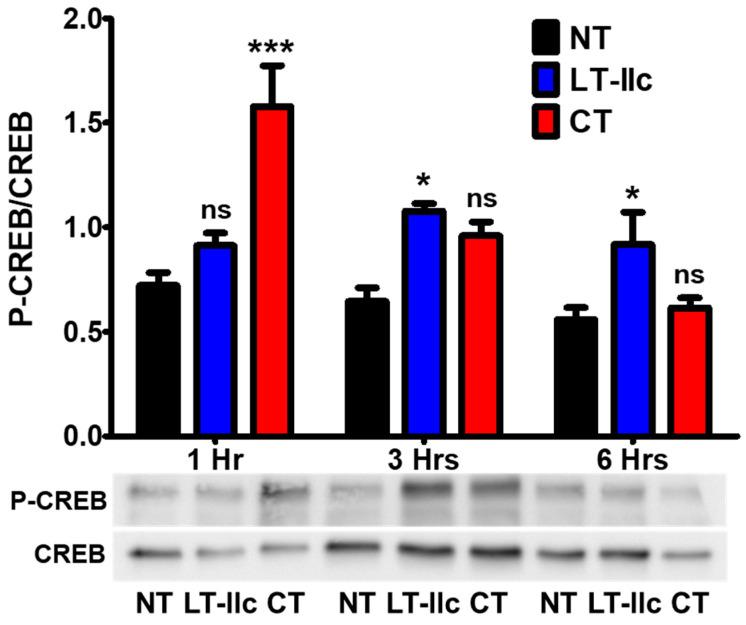
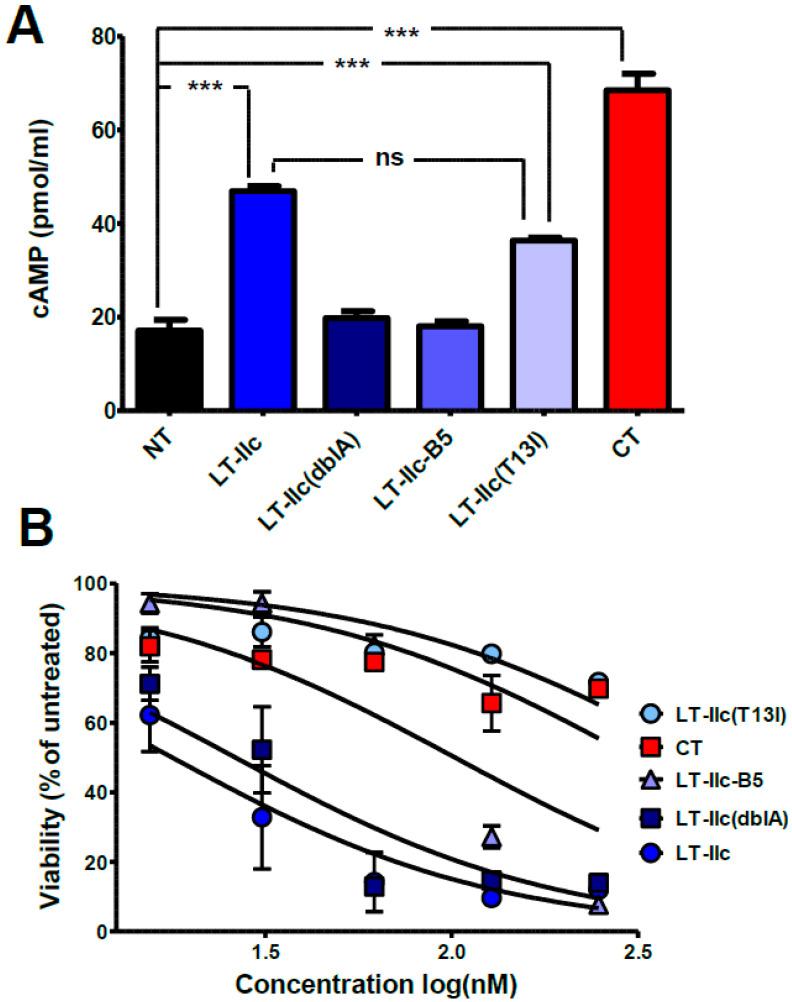
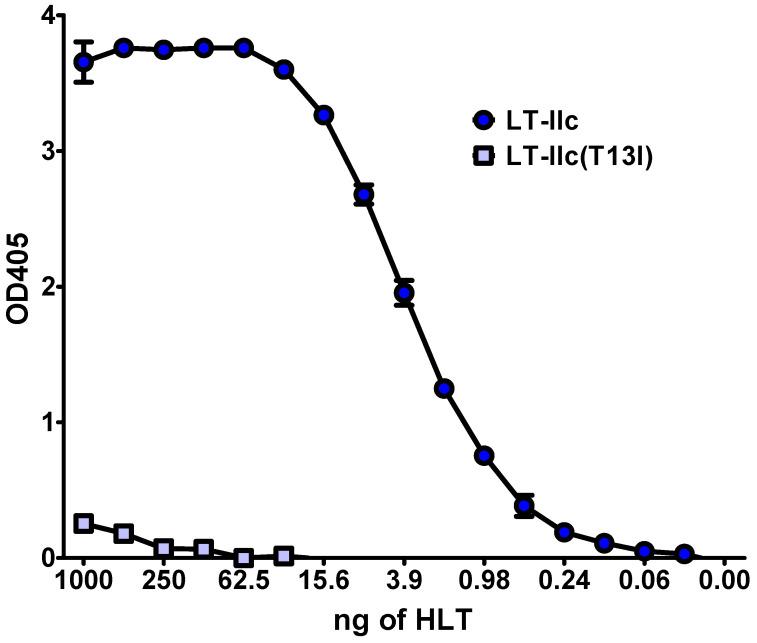
Triple-negative breast cancer (TNBC), which constitutes 10-20 percent of all breast cancers, is aggressive, has high metastatic potential, and carries a poor prognosis due to limited treatment options. LT-IIc, a member of the type II subfamily of ADP-ribosylating-heat-labile enterotoxins that bind to a distinctive set of cell-surface ganglioside receptors-is cytotoxic toward TNBC cell lines, but has no cytotoxic activity for non-transformed breast epithelial cells. Here, primary TNBC cells, isolated from resected human tumors, showed an enhanced cytotoxic response specifically toward LT-IIc, in contrast to other enterotoxins that were tested. MDA-MB-231 cells, a model for TNBC, were used to evaluate potential mechanisms of cytotoxicity by LT-IIc, which induced elevated intracellular cAMP and stimulated the cAMP response element-binding protein (CREB) signaling pathway. To dissect the role of ADP-ribosylation, cAMP induction, and ganglioside ligation in the cytotoxic response, MDA-MB-231 cells were exposed to wild-type LT-IIc, the recombinant B-pentamer of LT-IIc that lacks the ADP-ribosylating A polypeptide, or mutants of LT-IIc with an enzymatically inactivated A1-domain. These experiments revealed that the ADP-ribosyltransferase activity of LT-IIc was nonessential for inducing the lethality of MDA-MB-231 cells. In contrast, a mutant LT-IIc with an altered ganglioside binding activity failed to trigger a cytotoxic response in MDA-MB-231 cells. Furthermore, the pharmacological inhibition of ganglioside expression protected MDA-MB-231 cells from the cytotoxic effects of LT-IIc. These data establish that ganglioside ligation, but not the induction of cAMP production nor ADP-ribosyltransferase activity, is essential to initiating the LT-IIc-dependent cell death of MDA-MB-231 cells. These experiments unveiled previously unknown properties of LT-IIc and gangliosides in signal transduction, offering the potential for the targeted treatment of TNBC, an option that is desperately needed.
三阴性乳腺癌(TNBC)占所有乳腺癌的 10-20%,具有侵袭性、高转移性潜力,且由于治疗选择有限,预后较差。LT-IIc 是 ADP-核糖基化热不稳定肠毒素 II 亚家族的成员,与一组独特的细胞表面神经节苷脂受体结合,对 TNBC 细胞系具有细胞毒性,但对非转化的乳腺上皮细胞没有细胞毒性。在这里,从切除的人类肿瘤中分离出来的原发性 TNBC 细胞对 LT-IIc 表现出增强的细胞毒性反应,而其他测试的肠毒素则没有。MDA-MB-231 细胞是 TNBC 的模型,用于评估 LT-IIc 诱导的细胞毒性的潜在机制,LT-IIc 诱导细胞内 cAMP 升高并刺激 cAMP 反应元件结合蛋白(CREB)信号通路。为了解析 ADP-核糖基化、cAMP 诱导和神经节苷脂结合在细胞毒性反应中的作用,MDA-MB-231 细胞暴露于野生型 LT-IIc、缺乏 ADP-核糖基转移酶 A 多肽的重组 LT-IIc B-五聚体或 LT-IIc 的突变体,这些突变体的 A1 结构域酶失活。这些实验表明,LT-IIc 的 ADP-核糖基转移酶活性对于诱导 MDA-MB-231 细胞的致死性不是必需的。相比之下,具有改变的神经节苷脂结合活性的 LT-IIc 突变体不能在 MDA-MB-231 细胞中引发细胞毒性反应。此外,神经节苷脂表达的药理学抑制可保护 MDA-MB-231 细胞免受 LT-IIc 的细胞毒性作用。这些数据表明,神经节苷脂结合,而不是 cAMP 产生的诱导或 ADP-核糖基转移酶活性的诱导,对于启动 MDA-MB-231 细胞中依赖 LT-IIc 的细胞死亡是必需的。这些实验揭示了 LT-IIc 和神经节苷脂在信号转导中的以前未知的特性,为 TNBC 的靶向治疗提供了可能,这是一种迫切需要的选择。



 Zotero 插件