
定义 PANoptosis:固有免疫细胞死亡激活的生化和机制评估。
Defining PANoptosis: Biochemical and Mechanistic Evaluation of Innate Immune Cell Death Activation.
机构信息
Department of Immunology, St. Jude Children's Research Hospital, Memphis, Tennessee.
出版信息
Curr Protoc. 2024 Jul;4(7):e1112. doi: 10.1002/cpz1.1112.
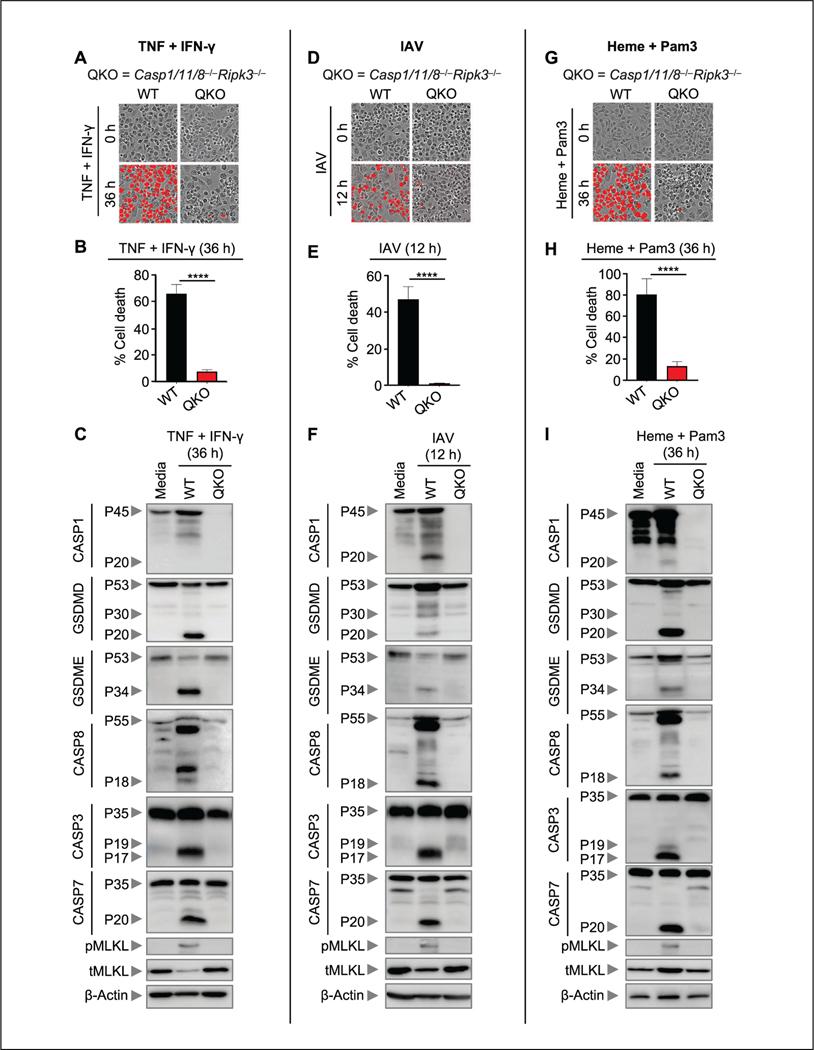
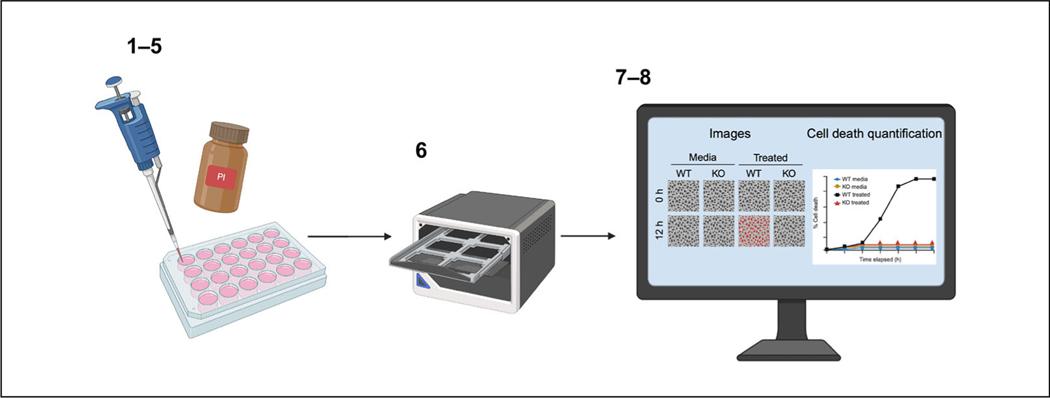
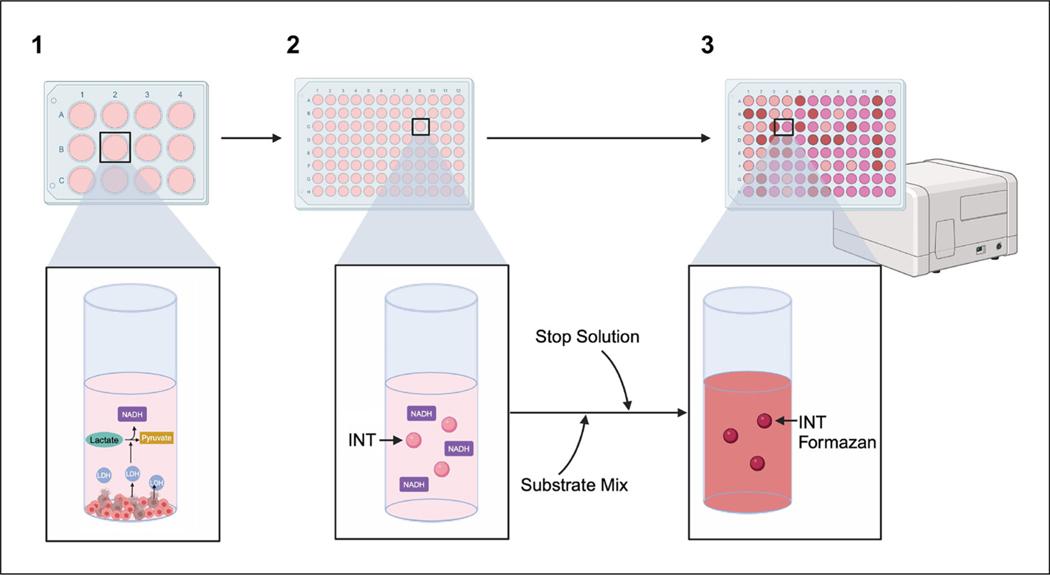
The innate immune system is the first line of host defense. Innate immune activation utilizes pattern recognition receptors to detect pathogens, pathogen-associated and damage-associated molecular patterns (PAMPs and DAMPs), and homeostatic alterations and drives inflammatory signaling pathways and regulated cell death. Cell death activation is critical to eliminate pathogens and aberrant or damaged cells, while excess activation can be linked to inflammation, tissue damage, and disease. Therefore, there is increasing interest in studying cell death mechanisms to understand the underlying biology and identify therapeutic strategies. However, there are significant technical challenges, as many cell death pathways share key molecules with each other, and genetic models where these cell death molecules are deleted remain the gold standard for evaluation. Furthermore, extensive crosstalk has been identified between the cell death pathways pyroptosis, apoptosis, necroptosis, and the more recently characterized PANoptosis, which is defined as a prominent, unique innate immune, lytic, and inflammatory cell death pathway initiated by innate immune sensors and driven by caspases and RIPKs through PANoptosomes. PANoptosomes are multi-protein complexes assembled by innate immune sensor(s) in response to pathogens, PAMPs, DAMPs, cytokines, and homeostatic changes that drive PANoptosis. In this article, we provide methods for molecularly defining distinct cell death pathways, including PANoptosis, using both genetic and chemical approaches through western blot, LDH assay, and microscopy readouts. This procedure allows for the assessment of cell death on the cell population and single-cell levels even without access to genetic models. Having this comprehensive workflow that is more accessible to all labs will improve our ability as a scientific community to accelerate discovery. Using these protocols will help identify new innate immune sensors that drive PANoptosis and define the molecular mechanisms and regulators involved to establish new targets for clinical translation. © 2024 The Author(s). Current Protocols published by Wiley Periodicals LLC. Basic Protocol 1: Induction and quantification of cell death using live cell imaging Alternate Protocol 1: Quantification of cell death using LDH Alternate Protocol 2: Assessment of cell death complexes in single cells using immunofluorescence staining Basic Protocol 2: Analysis of cell death mechanisms by immunoblots (western blots).
先天免疫系统是宿主防御的第一道防线。先天免疫激活利用模式识别受体来检测病原体、病原体相关和损伤相关分子模式(PAMPs 和 DAMPs)以及体内平衡改变,并驱动炎症信号通路和调节细胞死亡。细胞死亡的激活对于消除病原体和异常或受损细胞至关重要,而过度激活可能与炎症、组织损伤和疾病有关。因此,人们越来越有兴趣研究细胞死亡机制,以了解其潜在生物学并确定治疗策略。然而,这方面存在重大技术挑战,因为许多细胞死亡途径彼此之间共享关键分子,并且删除这些细胞死亡分子的基因模型仍然是评估的金标准。此外,已经确定细胞死亡途径细胞焦亡、细胞凋亡、细胞坏死以及最近被定义为先天免疫传感器启动并通过 PANoptosomes 驱动的 caspase 和 RIPK 的突出、独特的先天免疫、溶酶体和炎症性细胞死亡途径的细胞凋亡之间存在广泛的串扰,PANoptosomes 是由先天免疫传感器组装的多蛋白复合物,响应病原体、PAMPs、DAMPs、细胞因子和体内平衡变化,从而驱动 PANoptosis。在本文中,我们提供了使用遗传和化学方法从分子上定义不同的细胞死亡途径的方法,包括 PANoptosis,通过 Western blot、LDH 测定和显微镜读数。即使没有遗传模型,该程序也允许在细胞群体和单细胞水平上评估细胞死亡。拥有更易于所有实验室使用的综合工作流程将提高我们作为科学界的发现能力。使用这些方案将有助于识别新的先天免疫传感器,这些传感器可驱动 PANoptosis,并定义涉及的分子机制和调节剂,以为临床转化建立新的靶点。© 2024 作者。Wiley Periodicals LLC 出版的《当代协议》。基础方案 1:使用活细胞成像诱导和定量细胞死亡可选方案 1:使用 LDH 定量细胞死亡可选方案 2:使用免疫荧光染色在单细胞中评估细胞死亡复合物基础方案 2:通过免疫印迹(Western blot)分析细胞死亡机制。


 Zotero 插件