
紫草素靶向活性氧的抗癌作用机制研究进展
Research progress in mechanism of anticancer action of shikonin targeting reactive oxygen species.
作者信息
Qi Ke, Li Jiayi, Hu Yang, Qiao Yiyun, Mu Yongping
机构信息
Department of Diagnostic Clinical Laboratory Science, Inner Mongolia Medical University, Hohhot, Inner Mongolia, China.
Department of Clinical Test Center, Medical Laboratory, Peking University Cancer Hospital (Inner Mongolia Campus), Affiliated Cancer Hospital of Inner Mongolia Medical University, Hohhot, Inner Mongolia, China.
出版信息
Front Pharmacol. 2024 Jul 11;15:1416781. doi: 10.3389/fphar.2024.1416781. eCollection 2024.
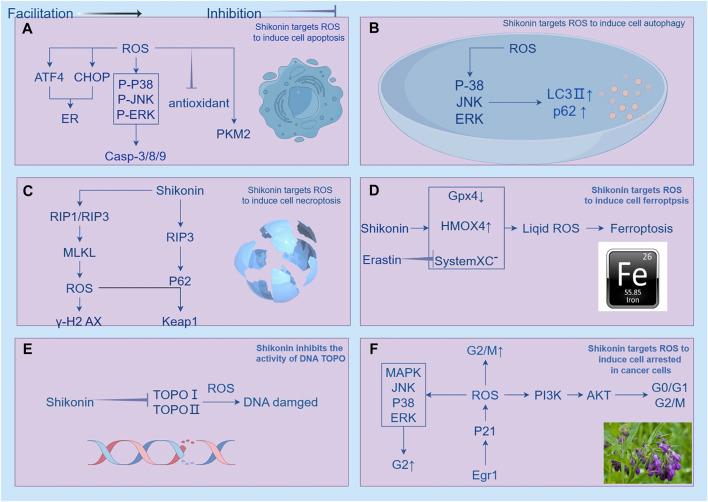
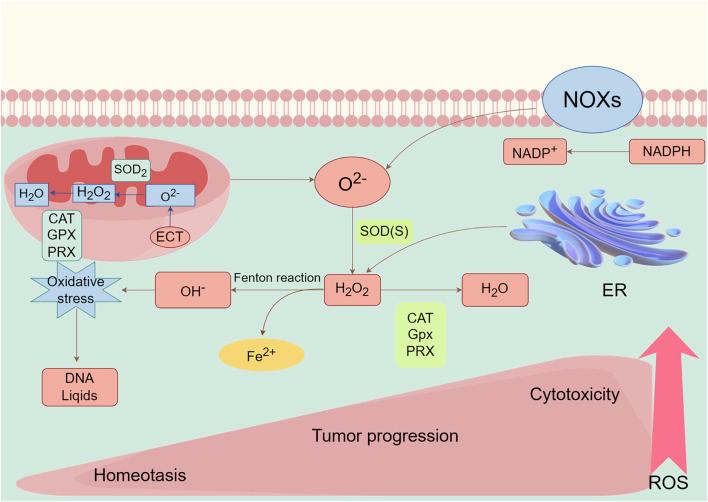
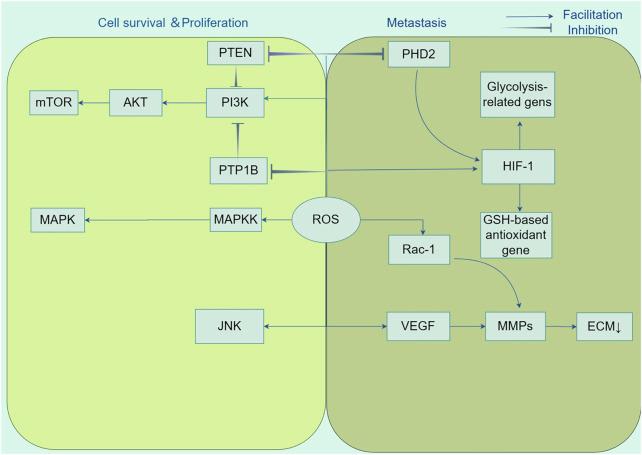
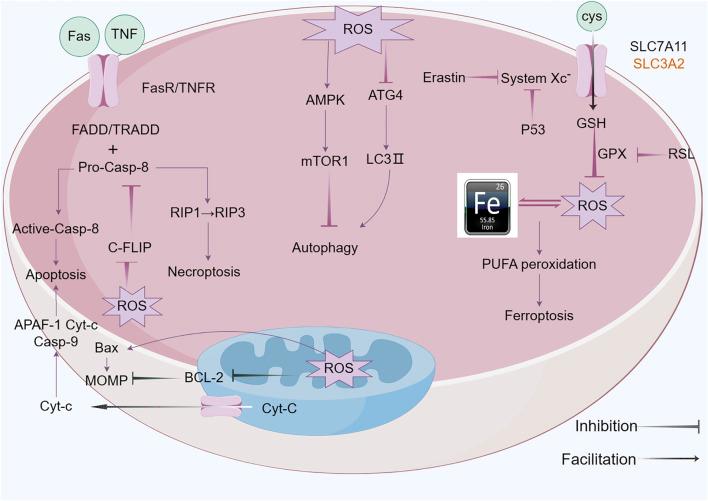
Excessive buildup of highly reactive molecules can occur due to the generation and dysregulation of reactive oxygen species (ROS) and their associated signaling pathways. ROS have a dual function in cancer development, either leading to DNA mutations that promote the growth and dissemination of cancer cells, or triggering the death of cancer cells. Cancer cells strategically balance their fate by modulating ROS levels, activating pro-cancer signaling pathways, and suppressing antioxidant defenses. Consequently, targeting ROS has emerged as a promising strategy in cancer therapy. Shikonin and its derivatives, along with related drug carriers, can impact several signaling pathways by targeting components involved with oxidative stress to induce processes such as apoptosis, necroptosis, cell cycle arrest, autophagy, as well as modulation of ferroptosis. Moreover, they can increase the responsiveness of drug-resistant cells to chemotherapy drugs, based on the specific characteristics of ROS, as well as the kind and stage of cancer. This research explores the pro-cancer and anti-cancer impacts of ROS, summarize the mechanisms and research achievements of shikonin-targeted ROS in anti-cancer effects and provide suggestions for designing further anti-tumor experiments and undertaking further experimental and practical research.
由于活性氧(ROS)及其相关信号通路的产生和失调,可能会出现高反应性分子的过度积累。ROS在癌症发展中具有双重作用,既会导致促进癌细胞生长和扩散的DNA突变,也会触发癌细胞死亡。癌细胞通过调节ROS水平、激活促癌信号通路和抑制抗氧化防御来战略性地平衡其命运。因此,靶向ROS已成为癌症治疗中一种有前景的策略。紫草素及其衍生物,以及相关的药物载体,可以通过靶向参与氧化应激的成分来影响多种信号通路,从而诱导细胞凋亡、坏死性凋亡、细胞周期阻滞、自噬以及铁死亡的调节等过程。此外,基于ROS的特定特性以及癌症的类型和阶段,它们可以增加耐药细胞对化疗药物的反应性。本研究探讨了ROS的促癌和抗癌影响,总结了紫草素靶向ROS在抗癌作用中的机制和研究成果,并为设计进一步的抗肿瘤实验以及开展进一步的实验和实践研究提供建议。



 Zotero 插件