
通过COINSTAC进行的联邦体素形态学分析确定的精神疾病和情绪障碍中的皮质相似性。
Cortical similarities in psychiatric and mood disorders identified in federated VBM analysis via COINSTAC.
作者信息
Rootes-Murdy Kelly, Panta Sandeep, Kelly Ross, Romero Javier, Quidé Yann, Cairns Murray J, Loughland Carmel, Carr Vaughan J, Catts Stanley V, Jablensky Assen, Green Melissa J, Henskens Frans, Kiltschewskij Dylan, Michie Patricia T, Mowry Bryan, Pantelis Christos, Rasser Paul E, Reay William R, Schall Ulrich, Scott Rodney J, Watkeys Oliver J, Roberts Gloria, Mitchell Philip B, Fullerton Janice M, Overs Bronwyn J, Kikuchi Masataka, Hashimoto Ryota, Matsumoto Junya, Fukunaga Masaki, Sachdev Perminder S, Brodaty Henry, Wen Wei, Jiang Jiyang, Fani Negar, Ely Timothy D, Lorio Adriana, Stevens Jennifer S, Ressler Kerry, Jovanovic Tanja, van Rooij Sanne J H, Federmann Lydia M, Jockwitz Christiane, Teumer Alexander, Forstner Andreas J, Caspers Svenja, Cichon Sven, Plis Sergey M, Sarwate Anand D, Calhoun Vince D
机构信息
Tri-institutional Center for Translational Research in Neuroimaging and Data Science (TReNDS), Georgia State University, Georgia Institute of Technology, Emory University, Atlanta, GA, USA.
School of Psychology, University of New South Wales, Sydney, NSW, Australia.
出版信息
Patterns (N Y). 2024 May 2;5(7):100987. doi: 10.1016/j.patter.2024.100987. eCollection 2024 Jul 12.
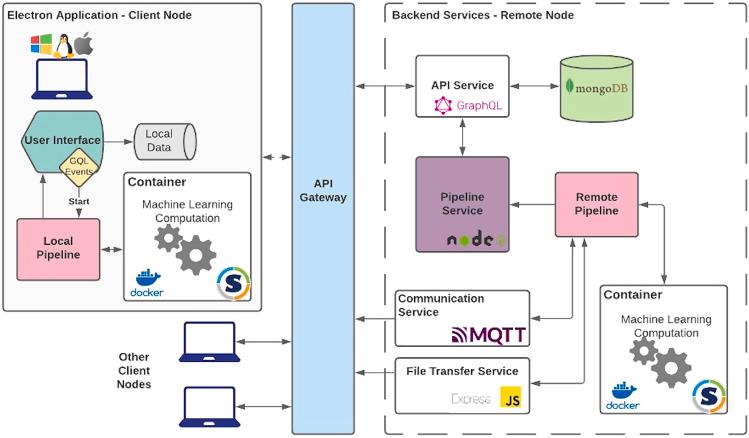
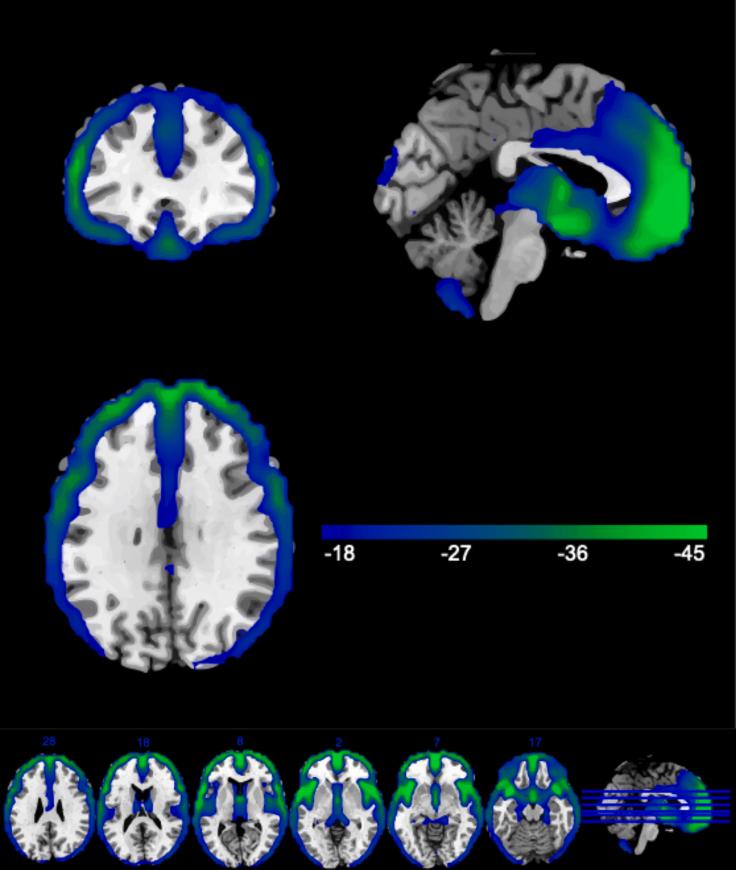
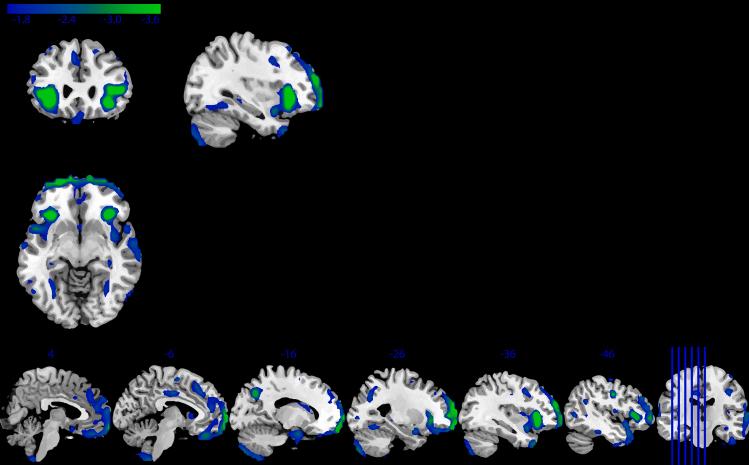
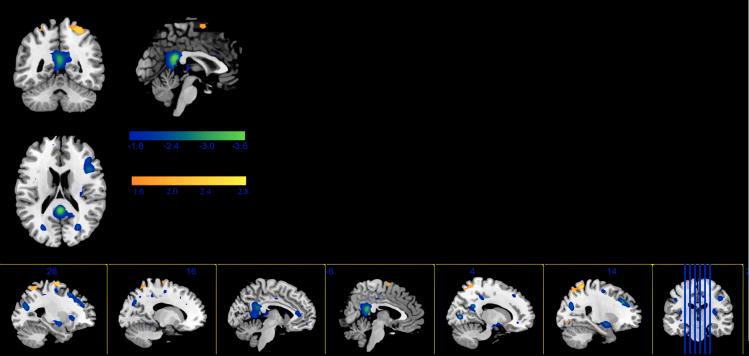
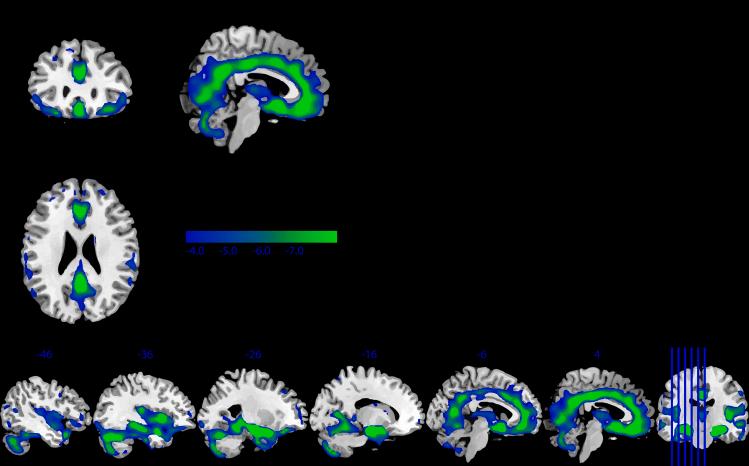
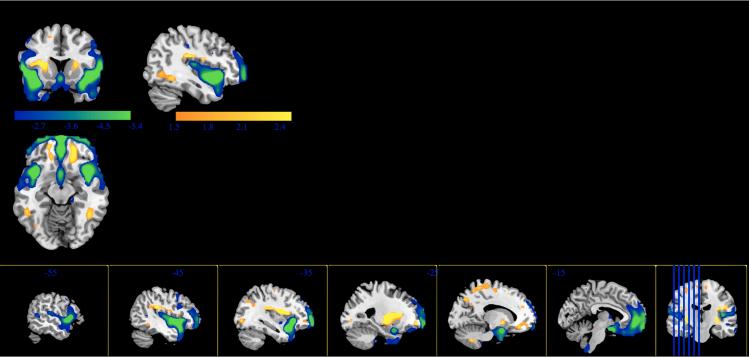
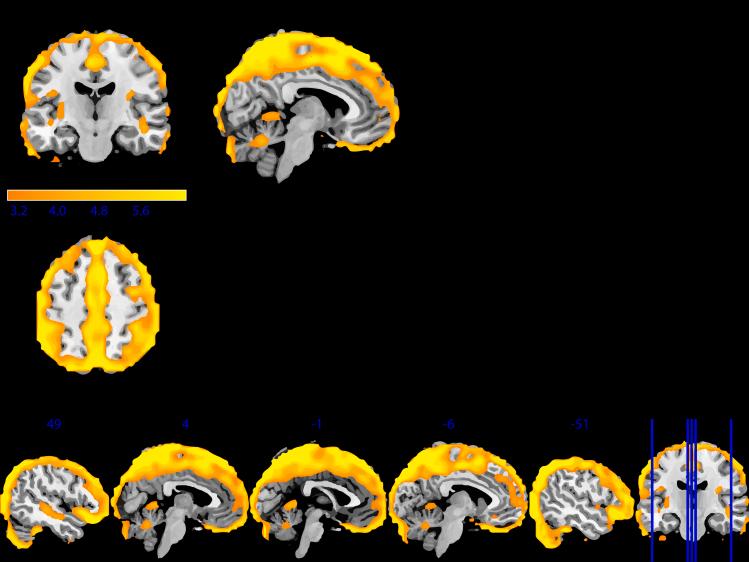
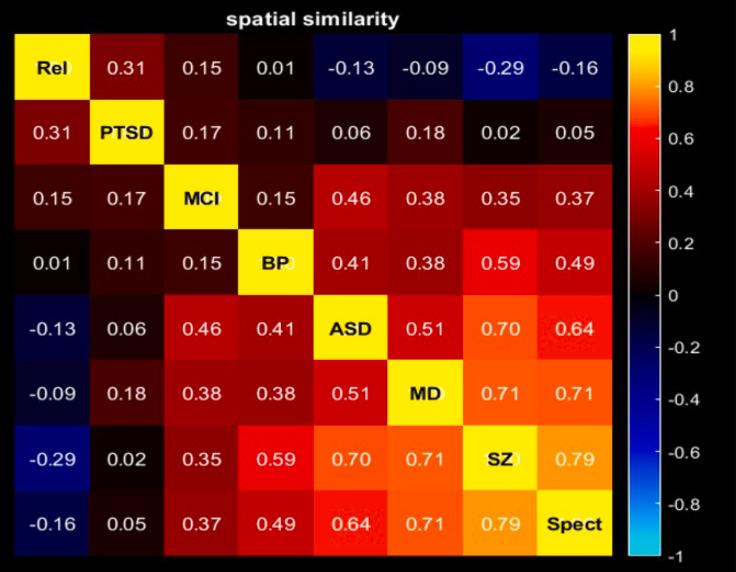
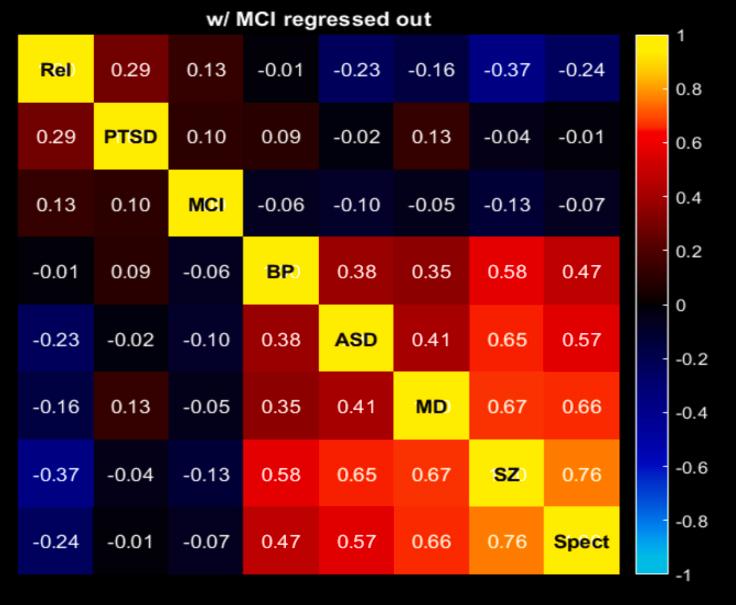
Structural neuroimaging studies have identified a combination of shared and disorder-specific patterns of gray matter (GM) deficits across psychiatric disorders. Pooling large data allows for examination of a possible common neuroanatomical basis that may identify a certain vulnerability for mental illness. Large-scale collaborative research is already facilitated by data repositories, institutionally supported databases, and data archives. However, these data-sharing methodologies can suffer from significant barriers. Federated approaches augment these approaches by enabling access or more sophisticated, shareable and scaled-up analyses of large-scale data. We examined GM alterations using Collaborative Informatics and Neuroimaging Suite Toolkit for Anonymous Computation, an open-source, decentralized analysis application. Through federated analysis of eight sites, we identified significant overlap in the GM patterns ( = 4,102) of individuals with schizophrenia, major depressive disorder, and autism spectrum disorder. These results show cortical and subcortical regions that may indicate a shared vulnerability to psychiatric disorders.
结构神经影像学研究已经确定了跨精神疾病的灰质(GM)缺陷的共享模式和特定疾病模式的组合。汇总大数据有助于检查可能的共同神经解剖学基础,这可能识别出精神疾病的某种易感性。数据存储库、机构支持的数据库和数据档案已经促进了大规模的合作研究。然而,这些数据共享方法可能存在重大障碍。联邦方法通过实现对大规模数据的访问或更复杂、可共享和可扩展的分析来增强这些方法。我们使用用于匿名计算的协作信息学和神经影像学套件工具包(一种开源、去中心化的分析应用程序)检查了灰质改变。通过对八个站点的联邦分析,我们在精神分裂症、重度抑郁症和自闭症谱系障碍患者的灰质模式(n = 4102)中发现了显著重叠。这些结果显示了可能表明对精神疾病存在共同易感性的皮质和皮质下区域。


 Zotero 插件