
宫内接触大麻二酚(THC)对灵长类动物胎儿和婴儿骨骼肌肉发育的影响:一项临床前模型研究。
Effects of in utero delta-9-tetrahydrocannabinol (THC) exposure on fetal and infant musculoskeletal development in a preclinical nonhuman primate model.
机构信息
Department of Biomedical Engineering, Oregon Health & Science University, Portland, OR, United States of America.
Division of Reproduction and Developmental Sciences, Oregon National Primate Research Center, Oregon Health & Science University, Beaverton, OR, United States of America.
出版信息
PLoS One. 2024 Jul 31;19(7):e0306868. doi: 10.1371/journal.pone.0306868. eCollection 2024.
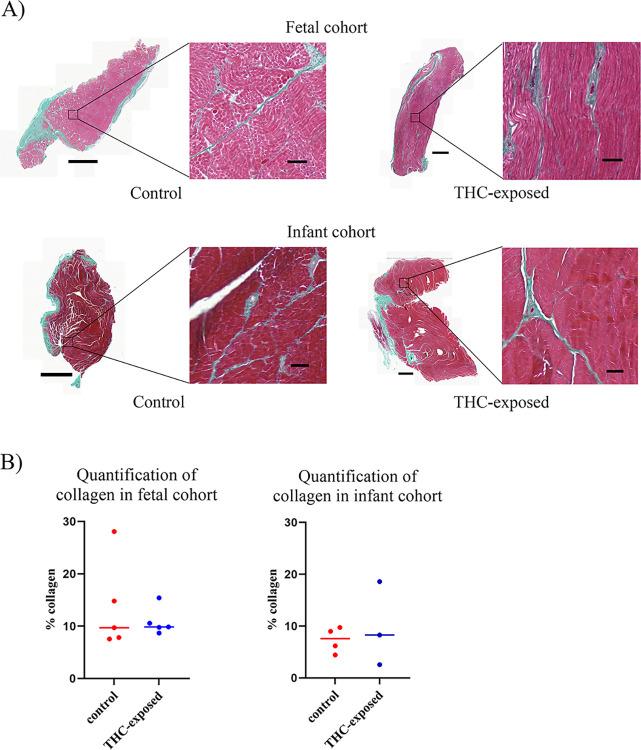
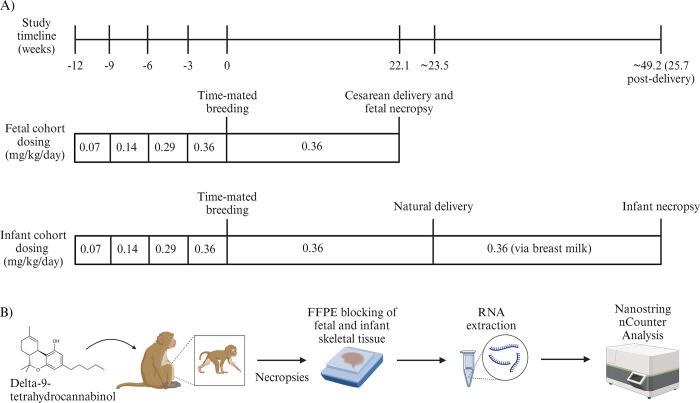
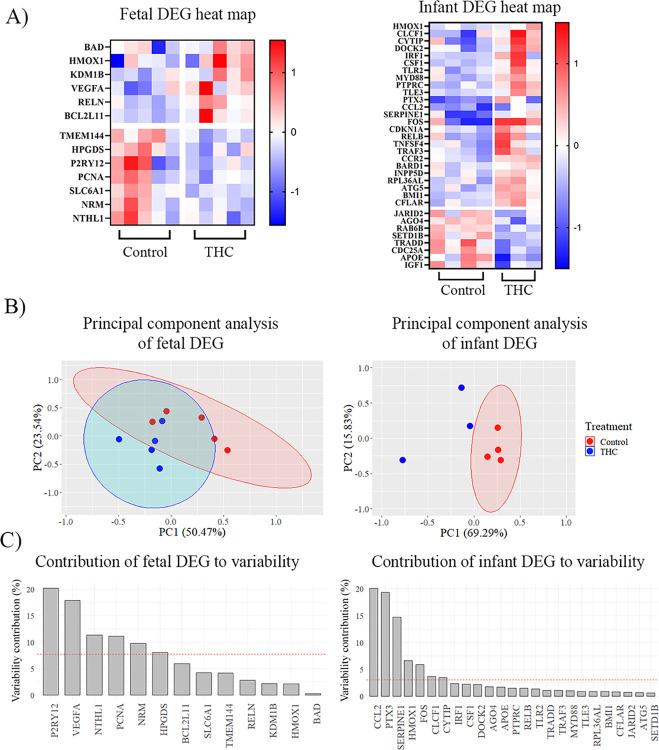
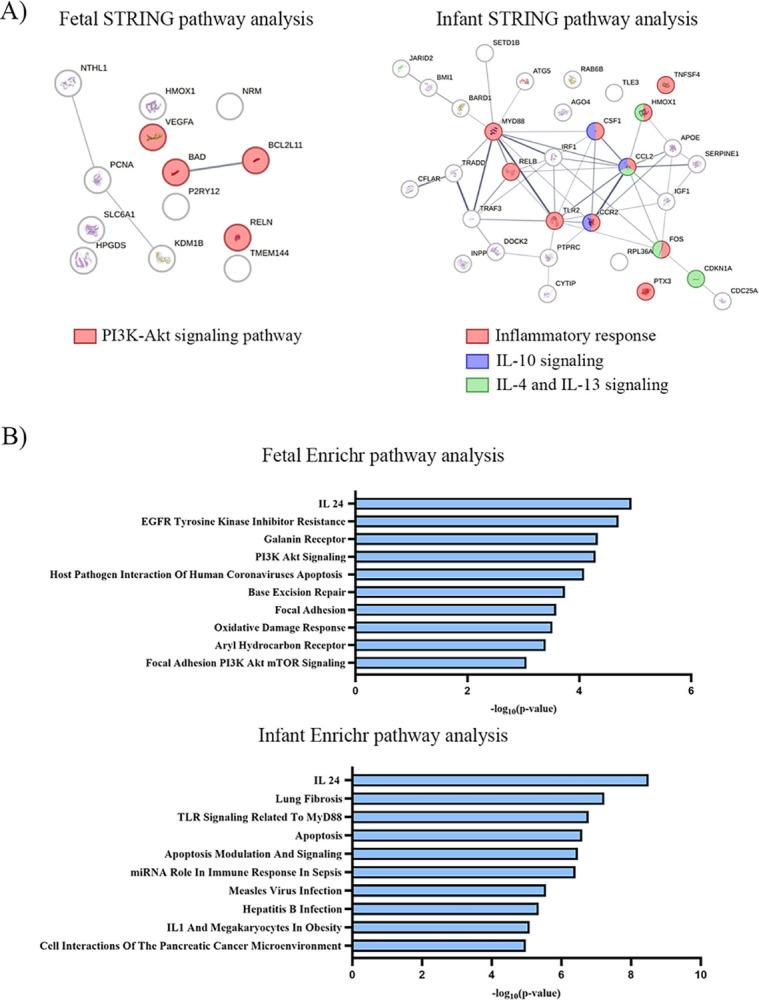
The endocannabinoid system (ECS) plays a major role in the maintenance of bodily homeostasis and adaptive response to external insults. It has been shown to regulate crucial physiological processes and behaviors, spanning nervous functions, anxiety, cognition, and pain sensation. Due to this broad activity, the ECS has been explored as a potential therapeutic target in the treatment of select diseases. However, until there is a more comprehensive understanding of how ECS activation by exogenous and endogenous ligands manifests across disparate tissues and cells, discretion should be exercised. Previous work has investigated how endogenous cannabinoid signaling impacts skeletal muscle development and differentiation. However, the effects of activation of the ECS by delta-9-tetrahydrocannabinol (THC, the most psychoactive component of cannabis) on skeletal muscle development, particularly in utero, remain unclear. To address this research gap, we used a highly translational non-human primate model to examine the potential impact of chronic prenatal THC exposure on fetal and infant musculoskeletal development. RNA was isolated from the skeletal muscle and analyzed for differential gene expression using a Nanostring nCounter neuroinflammatory panel comprised of 770 genes. Histomorphological evaluation of muscle morphology and composition was also performed. Our findings suggest that while prenatal THC exposure had narrow overall effects on fetal and infant muscle development, the greatest impacts were observed within pathways related to inflammation and cytokine signaling, which suggest the potential for tissue damage and atrophy. This pilot study establishes feasibility to evaluate neuroinflammation due to prenatal THC exposure and provides rationale for follow-on studies that explore the longer-term implications and functional consequences encountered by offspring as they continue to mature.
内源性大麻素系统 (ECS) 在维持身体内稳态和对外界刺激的适应性反应中起着重要作用。它被证明可以调节关键的生理过程和行为,包括神经功能、焦虑、认知和疼痛感知。由于其广泛的活性,ECS 已被探索作为治疗某些疾病的潜在治疗靶点。然而,在更全面地了解外源性和内源性配体激活 ECS 在不同组织和细胞中的表现之前,应该谨慎行事。以前的工作已经研究了内源性大麻素信号如何影响骨骼肌的发育和分化。然而,delta-9-四氢大麻酚 (THC,大麻中最具精神活性的成分) 激活 ECS 对骨骼肌发育的影响,特别是在子宫内,仍不清楚。为了解决这一研究空白,我们使用高度转化的非人类灵长类动物模型来研究慢性产前 THC 暴露对胎儿和婴儿骨骼肌肉发育的潜在影响。从骨骼肌中分离出 RNA,并使用包含 770 个基因的 Nanostring nCounter 神经炎症面板分析差异基因表达。还对肌肉形态和组成进行了组织形态学评估。我们的研究结果表明,尽管产前 THC 暴露对胎儿和婴儿肌肉发育的总体影响很窄,但最大的影响是在与炎症和细胞因子信号相关的途径中观察到的,这表明可能存在组织损伤和萎缩。这项初步研究确立了评估由于产前 THC 暴露而导致的神经炎症的可行性,并为后续研究提供了依据,这些研究探索了后代在继续成熟过程中遇到的长期影响和功能后果。
 Zotero 插件