
结节病中排除其他诊断的框架。
A framework for exclusion of alternative diagnoses in sarcoidosis.
作者信息
Harper Logan J, Farver Carol F, Yadav Ruchi, Culver Daniel A
机构信息
Department of Pulmonary and Critical Care Medicine, Integrated Hospital Care Institute, Cleveland Clinic, Cleveland, OH, USA.
Department of Pathology, Cleveland Clinic, Cleveland, OH, USA.
出版信息
J Autoimmun. 2024 Dec;149:103288. doi: 10.1016/j.jaut.2024.103288. Epub 2024 Jul 31.
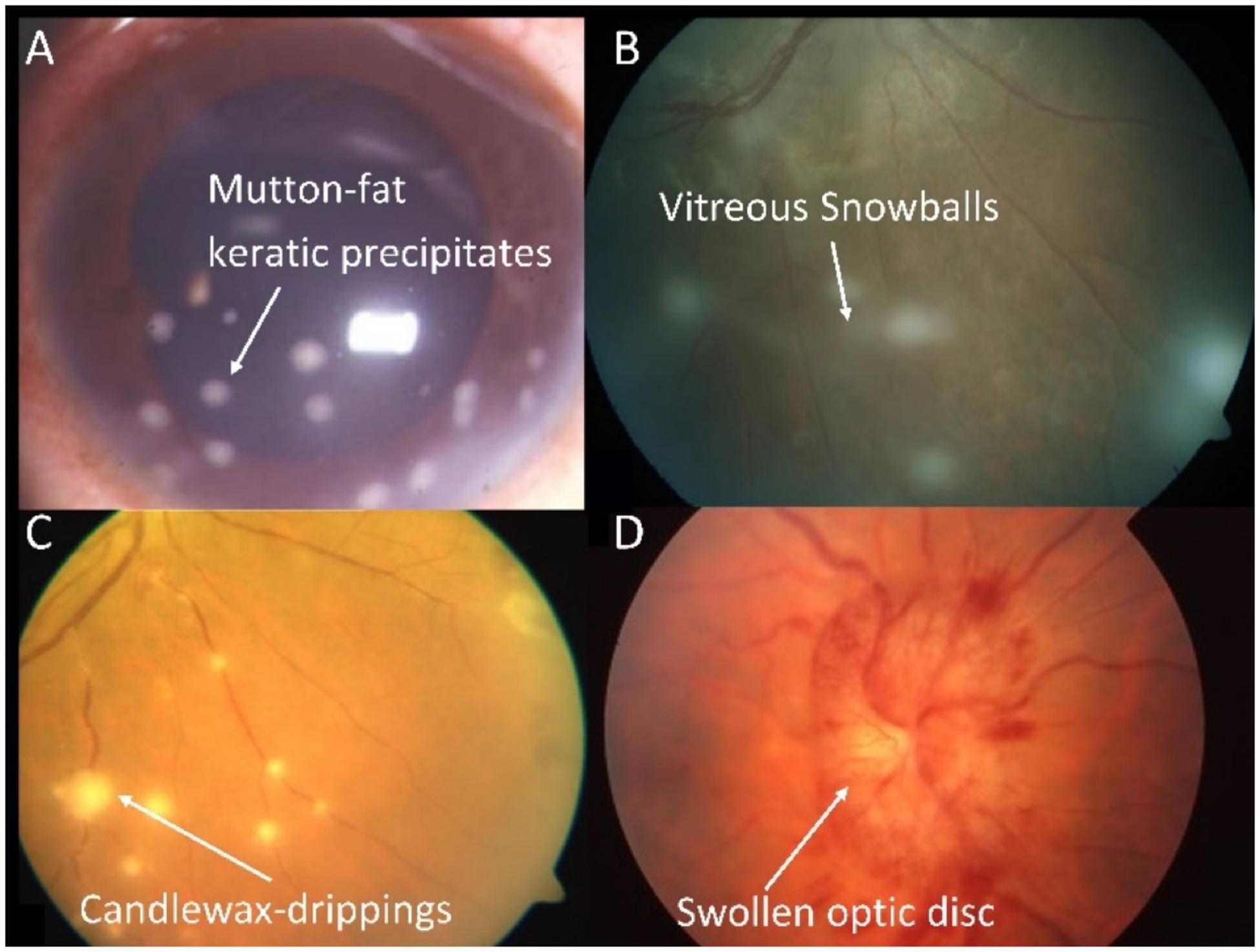
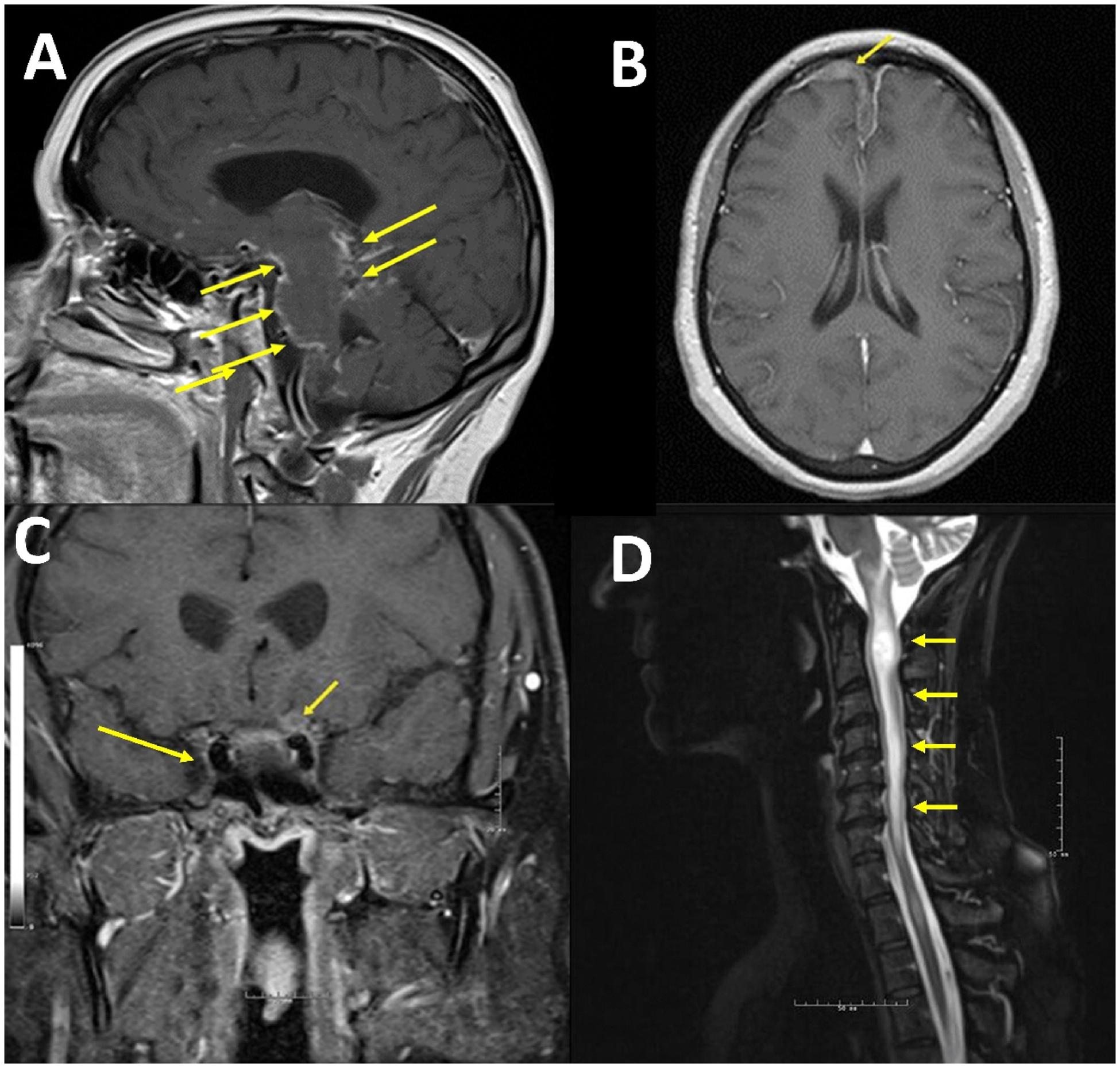
Sarcoidosis is a multisystem granulomatous syndrome that arises from a persistent immune response to a triggering antigen(s). There is no "gold standard" test or algorithm for the diagnosis of sarcoidosis, making the diagnosis one of exclusion. The presentation of the disease varies substantially between individuals, in both the number of organs involved, and the manifestations seen in individual organs. These qualities dictate that health care providers diagnosing sarcoidosis must consider a wide range of possible alternative diagnoses, from across a range of presentations and medical specialties (infectious, inflammatory, cardiac, neurologic). Current guideline-based diagnosis of sarcoidosis recommends fulfillment of three criteria: 1) compatible clinical presentation and/or imaging 2) demonstration of granulomatous inflammation by biopsy (when possible) and, 3) exclusion of alternative causes, but do not provide guidance on standardized strategies for exclusion of alternative diagnoses. In this review, we provide a summary of the most common differential diagnoses for sarcoidosis involvement of lung, eye, skin, central nervous system, heart, liver, and kidney. We then propose a framework for testing to exclude alternative diagnoses based on pretest probability of sarcoidosis, defined as high (typical findings with sarcoidosis involvement confirmed in another organ), moderate (typical findings in a single organ), or low (atypical/findings suggesting of an alternative diagnosis). This work highlights the need for informed and careful exclusion of alternative diagnoses in sarcoidosis.
结节病是一种多系统肉芽肿综合征,由对触发抗原的持续免疫反应引起。目前尚无诊断结节病的“金标准”检测方法或诊断流程,这使得结节病的诊断成为一种排除性诊断。该疾病在个体之间的表现差异很大,涉及的器官数量以及单个器官的表现均有所不同。这些特点决定了诊断结节病的医疗保健人员必须考虑一系列可能的替代诊断,涵盖各种表现形式和医学专业领域(感染性、炎症性、心脏、神经)。目前基于指南的结节病诊断建议满足三个标准:1)临床表现和/或影像学表现相符;2)通过活检(如有可能)证实存在肉芽肿性炎症;3)排除其他病因,但未提供排除替代诊断的标准化策略指导。在本综述中,我们总结了结节病累及肺、眼、皮肤、中枢神经系统、心脏、肝脏和肾脏时最常见的鉴别诊断。然后,我们基于结节病的验前概率提出了一个用于排除替代诊断的检测框架,验前概率分为高(在另一器官已证实有结节病累及的典型表现)、中(单个器官的典型表现)或低(非典型/提示替代诊断的表现)。这项工作强调了在结节病诊断中明智且谨慎地排除替代诊断的必要性。

 Zotero 插件