
影响使用新冠病毒接触者追踪应用程序“菲律宾安心居家”意愿的因素:整合保护动机理论、UTAUT2模型和系统可用性理论
Factors affecting the intention to use COVID-19 contact tracing application "StaySafe PH": Integrating protection motivation theory, UTAUT2, and system usability theory.
作者信息
Ong Ardvin Kester S, Prasetyo Yogi Tri, Tapiceria Regina Pia Krizzia M, Nadlifatin Reny, Gumasing Ma Janice J
机构信息
School of Industrial Engineering and Engineering Management, Mapúa University, Manila, Philippines.
E.T. Yuchengo School of Businseeess, Mapúa University, Makati, Philippines.
出版信息
PLoS One. 2024 Aug 1;19(8):e0306701. doi: 10.1371/journal.pone.0306701. eCollection 2024.
PURPOSE
StaySafe PH is the Philippines' official contact tracing software for controlling the propagation of COVID-19 and promoting a uniform contact tracing strategy. The StaySafe PH has various features such as a social distancing system, LGU heat map and response system, real-time monitoring, graphs, infographics, and the primary purpose, which is a contact tracing system. This application is mandatory in establishments such as fast-food restaurants, banks, and malls.
OBJECTIVE AND METHODOLOGY
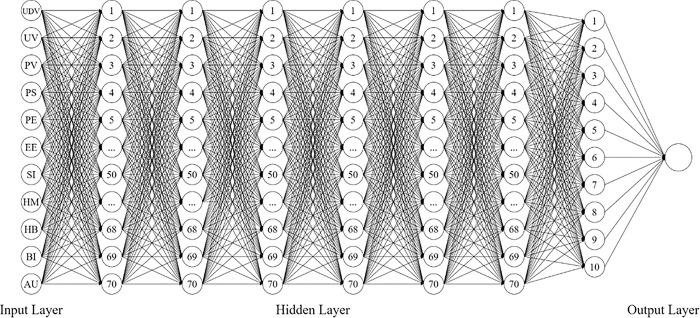
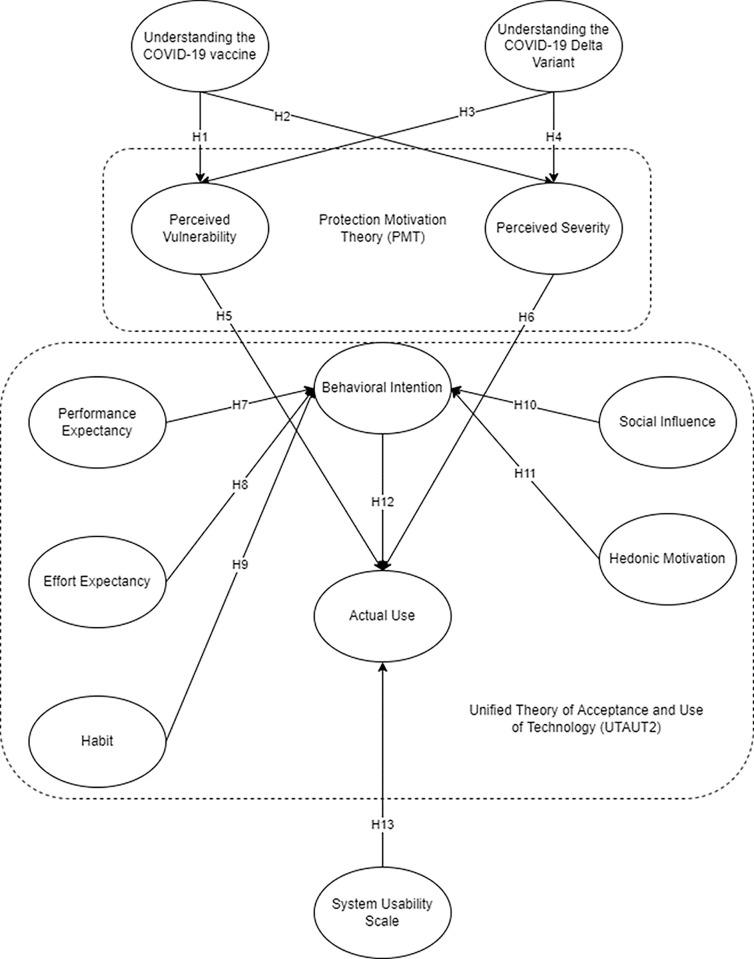
The purpose of this research was to determine the country's willingness to utilize StaySafe PH. Specifically, this study utilized 12 latent variables from the integrated Protection Motivation Theory (PMT), Unified Theory of Acceptance and Use of Technology (UTAUT2), and System Usability Scale (SUS). Data from 646 respondents in the Philippines were employed through Structural Equation Modelling (SEM), Deep Learning Neural Network (DLNN), and SUS.
RESULTS
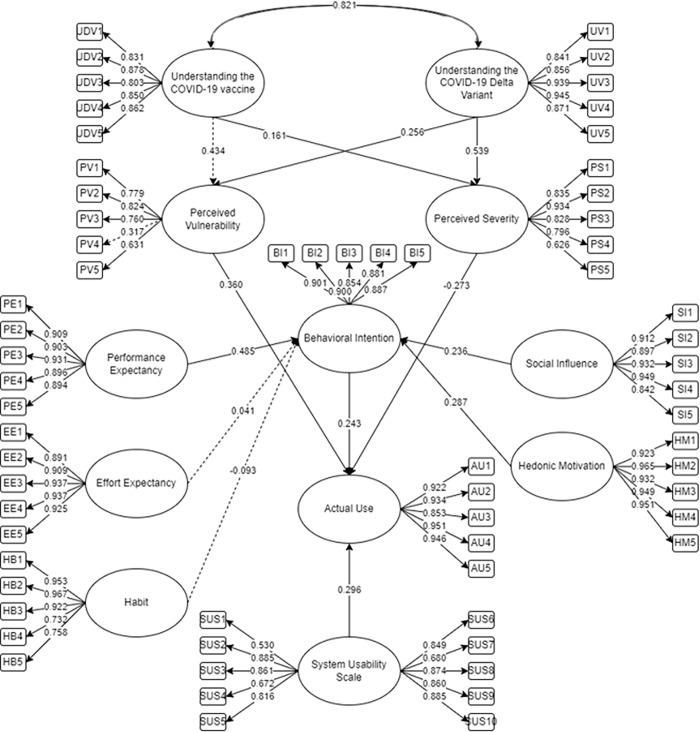
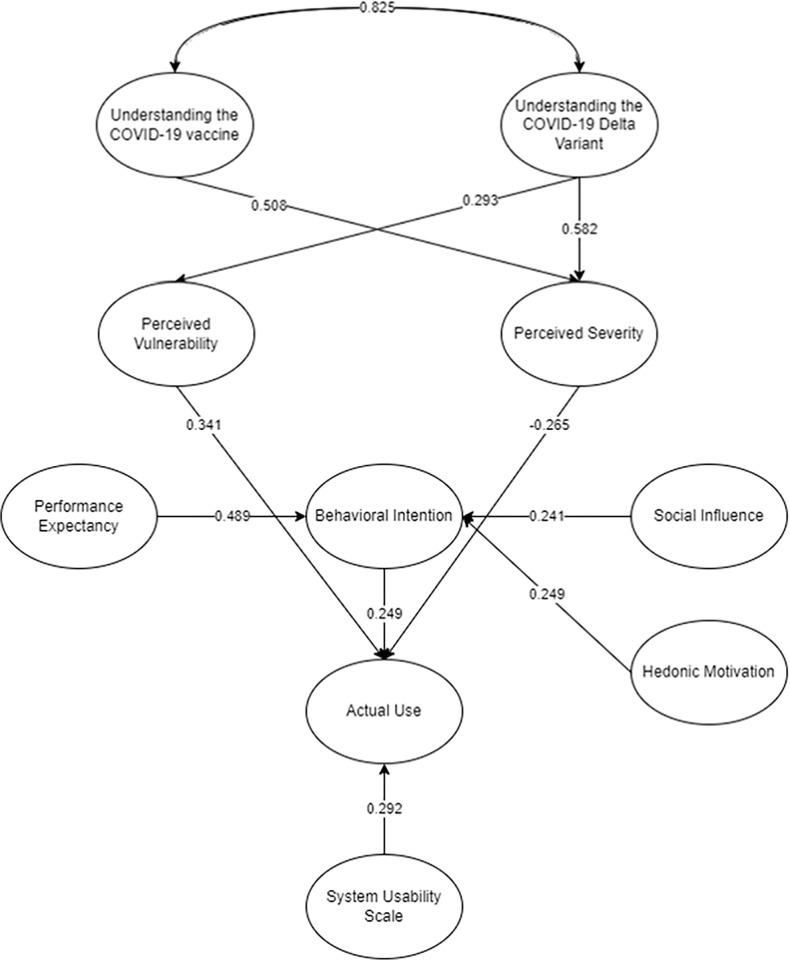
Utilizing the SEM, it is found that understanding the COVID-19 vaccine, understanding the COVID-19 Delta variant, perceived vulnerability, perceived severity, performance expectancy, social influence, hedonic motivation, behavioral intention, actual use, and the system usability scale are major determinants of intent to utilize the application. Understanding of the COVID-19 Delta Variant was found to be the most important factor by DLNN, which is congruent with the results of SEM. The SUS score of the application is "D", which implies that the application has poor usability.
IMPLICATIONS
It could be implicated that large concerns stem from the trust issues on privacy, data security, and overall consent in the information needed. This is one area that should be promoted. That is, how the data is stored and kept, utilized, and covered by the system, how the assurance could be provided among consumers, and how the government would manage the information obtained. Building the trust is crucial on the development and deployment of these types of technology. The results in this study can also suggest that individuals in the Philippines expected and were certain that vaccination would help them not contract the virus and thus not be vulnerable, leading to a positive actual use of the application.
NOVELTY
The current study considered encompassing health-related behaviors using the PMT, integrating with the technology acceptance model, UTAUT2; as well as usability perspective using the SUS. This study was the first one to evaluate and assess a contact tracing application in the Philippines, as well as integrate the frameworks to provide a holistic measurement.
目的
“StaySafe PH”是菲律宾官方用于控制新冠病毒传播及推行统一接触者追踪策略的接触者追踪软件。“StaySafe PH”具备多种功能,如社交距离系统、地方政府热力图及响应系统、实时监测、图表、信息图表,其主要功能是接触者追踪系统。该应用在快餐店、银行和商场等场所是强制性的。
目标与方法
本研究的目的是确定该国使用“StaySafe PH”的意愿。具体而言,本研究采用了整合保护动机理论(PMT)、技术接受与使用统一理论(UTAUT2)和系统可用性量表(SUS)中的12个潜在变量。通过结构方程模型(SEM)、深度学习神经网络(DLNN)和SUS,使用了来自菲律宾646名受访者的数据。
结果
利用SEM发现,对新冠疫苗的了解、对新冠德尔塔变异株的了解、感知易感性、感知严重性、绩效期望、社会影响、享乐动机、行为意图、实际使用情况以及系统可用性量表是使用该应用意愿的主要决定因素。DLNN发现对新冠德尔塔变异株的了解是最重要的因素,这与SEM的结果一致。该应用的SUS分数为“D”,这意味着该应用的可用性较差。
启示
可能意味着主要担忧源于对隐私、数据安全以及所需信息的整体同意方面的信任问题。这是一个应该加以推动的领域。也就是说,数据如何存储、保存、使用以及系统如何涵盖,如何在消费者之间提供保证,以及政府将如何管理所获取的信息。建立信任对于这类技术的开发和部署至关重要。本研究结果还表明,菲律宾民众期望并确信接种疫苗能帮助他们不感染病毒,从而不易受感染,这导致了对该应用的积极实际使用。
新颖之处
本研究考虑使用PMT涵盖与健康相关的行为,与技术接受模型UTAUT2相结合;以及从可用性角度使用SUS。本研究是首个评估菲律宾接触者追踪应用并整合这些框架以进行全面衡量的研究。
 Zotero 插件