
一例克罗恩病患者在接受抗 TNF-α 和免疫调节剂治疗期间出现口腔 pemphigus vulgaris 和单纯疱疹病毒感染共患:口腔病变的罕见病例报告。
Co-occurrence of oral pemphigus vulgaris and herpes simplex virus infection in a young patient with Crohn's disease: report of a rare case of oral lesions during anti-TFN alpha and immunomodulator therapy.
机构信息
Postgraduate Program in Pathology, School of Medicine, Hospital Universitário Antônio Pedro, Empresa Brasileira de Serviços Hospitalares, Universidade Federal Fluminense, Av. Marquês Do Paraná, 303, 4O Andar, Sala 18Zip Code, Centro, Niterói, RJ, 24033-900, Brazil.
School of Dentistry, Undergraduate Program, Universidade Federal Fluminense, Campus of Valonguinho, Niterói, RJ, Brazil.
出版信息
Int J Colorectal Dis. 2024 Aug 6;39(1):125. doi: 10.1007/s00384-024-04673-0.
BACKGROUND
Pemphigus vulgaris (PV) is a potentially life-threatening mucocutaneous autoimmune disease that affects desmoglein-1 and desmoglein-3, leading to intraepithelial vesiculobullous lesions. In the oral mucosa, PV lesions can mimic other diseases such as mucous membrane pemphigoid, other forms of pemphigus, recurrent aphthous stomatitis, erythema multiforme, Stevens-Johnson syndrome, and virus-induced ulcers like herpes simplex virus (HSV), making diagnosis challenging. The co-occurrence of PV with Crohn's disease is rare and predominantly seen in younger patients. The therapeutic mainstay for both PV and Crohn's disease usually involves systemic corticosteroids combined with immunosuppressants and immunobiological drugs. Literature indicates that the use of these drugs, particularly TNF-alpha inhibitors, for managing autoimmune diseases like Crohn's can potentially induce other autoimmune diseases known as autoimmune-like syndromes, which include episodes of lupus-like syndrome and inflammatory neuropathies. There are few cases in the literature reporting the development of PV in individuals with CD undergoing infliximab therapy.
CASE REPORT
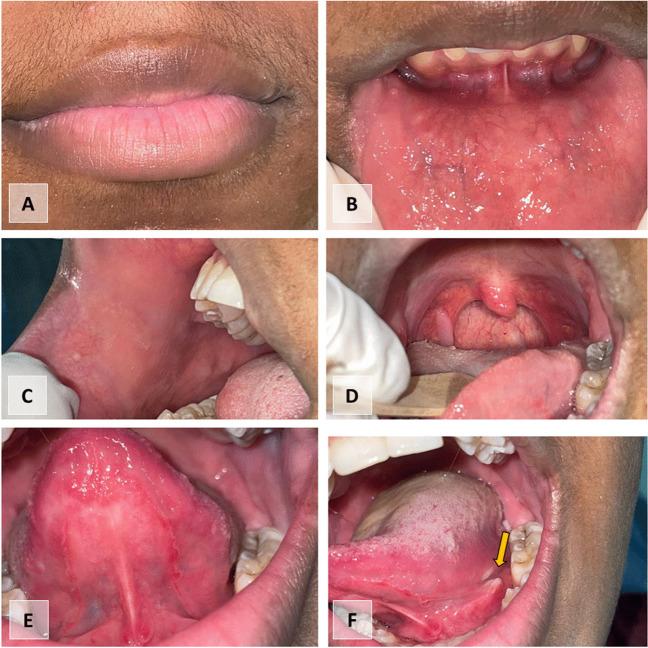
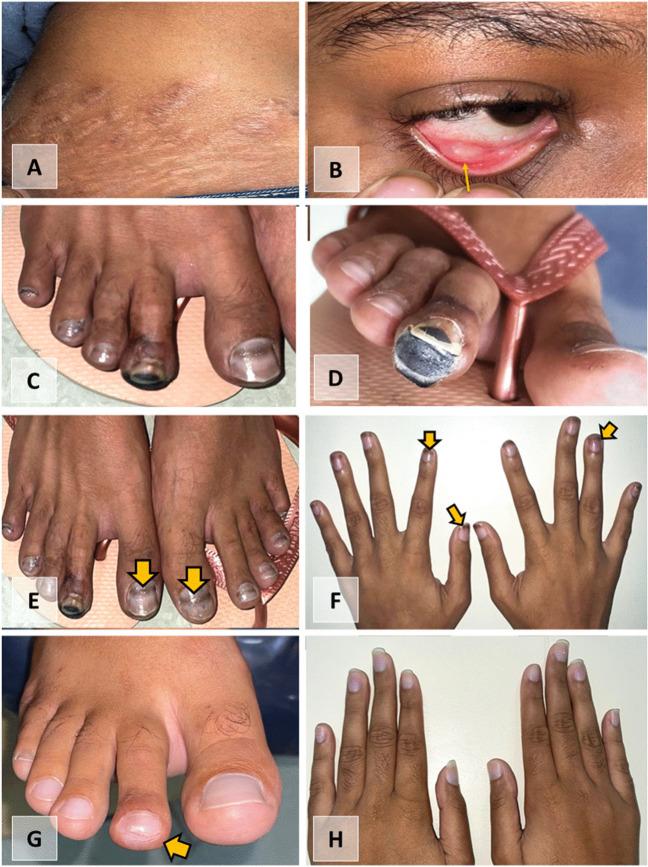
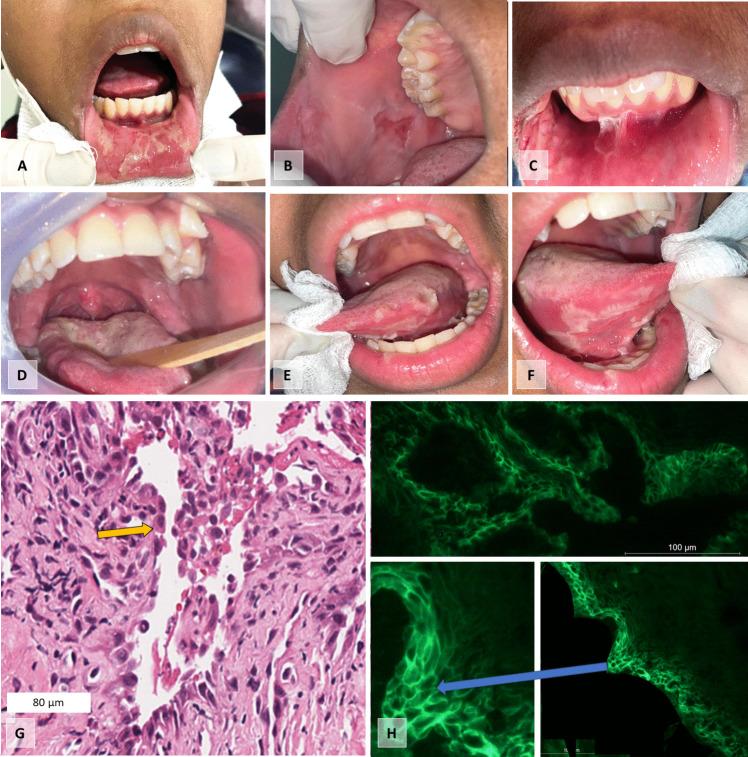
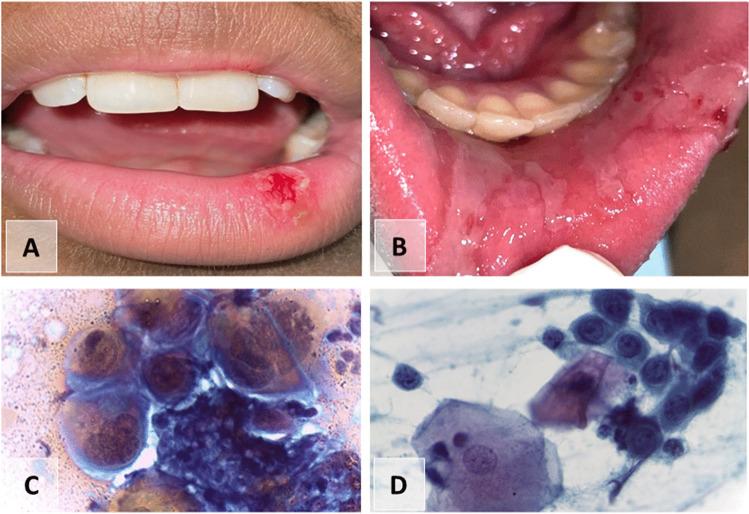
A young female with severe Crohn's disease, treated with the TNF-alpha inhibitor infliximab, developed friable pseudomembranous oral ulcerations. Histopathological and immunofluorescence analyses confirmed these as PV. The treatment included clobetasol propionate and low-level photobiomodulation, which resulted in partial improvement. The patient later experienced severe intestinal bleeding, requiring intravenous hydrocortisone therapy, which improved both her systemic condition and oral lesions. Weeks later, new ulcerations caused by herpes virus and candidiasis were identified, leading to treatment with oral acyclovir, a 21-day regimen of oral nystatin rinse, and photodynamic therapy, ultimately healing the oral infections. To manage her condition, the gastroenterologists included methotrexate (25 mg) in her regimen to reduce the immunogenicity of infliximab and minimize corticosteroid use, as the patient was in remission for Crohn's disease, and the oral PV lesions were under control.
CONCLUSION
Young patients with Crohn's disease should be referred to an oral medicine specialist for comorbidity investigation, as oral PV and opportunistic infections can arise during immunosuppressive therapy. The use of TNF-alpha inhibitors in patients treated for inflammatory bowel disease, such as Crohn's, should be carefully evaluated for potential side effects, including oral PV.
背景
寻常型天疱疮(PV)是一种潜在危及生命的黏膜皮肤自身免疫性疾病,影响桥粒芯糖蛋白-1 和桥粒芯糖蛋白-3,导致上皮内水疱性病变。在口腔黏膜中,PV 病变可能模仿其他疾病,如黏膜类天疱疮、其他类型的天疱疮、复发性阿弗他口炎、多形性红斑、史蒂文斯-约翰逊综合征和病毒诱导的溃疡,如单纯疱疹病毒(HSV),使诊断具有挑战性。PV 与克罗恩病同时发生较为罕见,主要见于年轻患者。PV 和克罗恩病的治疗主要包括全身皮质类固醇联合免疫抑制剂和免疫生物学药物。文献表明,这些药物,特别是 TNF-α 抑制剂,用于治疗克罗恩病等自身免疫性疾病,可能会诱发其他自身免疫性疾病,称为自身免疫样综合征,包括狼疮样综合征和炎症性神经病的发作。文献中很少有报道在接受英夫利昔单抗治疗的 CD 患者中发生 PV 的病例。
病例报告
一名患有严重克罗恩病的年轻女性,接受 TNF-α 抑制剂英夫利昔单抗治疗后,出现易碎的假膜性口腔溃疡性病变。组织病理学和免疫荧光分析证实这些病变为 PV。治疗包括丙酸氯倍他索和低水平光生物调节,这导致部分改善。患者后来出现严重的肠道出血,需要静脉注射氢化可的松治疗,这改善了她的全身状况和口腔病变。几周后,发现疱疹病毒和念珠菌引起的新溃疡,导致口服阿昔洛韦、21 天口服制霉菌素漱口液和光动力疗法治疗,最终治愈口腔感染。为了控制病情,胃肠病学家在她的治疗方案中加入了甲氨蝶呤(25mg),以降低英夫利昔单抗的免疫原性,并尽量减少皮质类固醇的使用,因为患者的克罗恩病已处于缓解期,口腔 PV 病变得到控制。
结论
患有克罗恩病的年轻患者应转介给口腔医学专家进行共病调查,因为在免疫抑制治疗期间可能会出现口腔 PV 和机会性感染。在接受炎症性肠病(如克罗恩病)治疗的患者中使用 TNF-α 抑制剂应仔细评估其潜在副作用,包括口腔 PV。
 Zotero 插件