
低社会经济地位社区居民对健康体重方法的看法:一项基于系统视角的定性研究
Citizens' perspectives on healthy weight approaches in low SEP neighborhoods: a qualitative study from a systems perspective.
作者信息
Ter Bogt Maud J J, Te Riele Yentl Z, Kooijman Piet G C, Heszler Anita N, van der Meer Saskia, van Roon Rob, Molleman Gerard R M, van den Muijsenbergh Maria, Fransen Gerdine A J, Bevelander Kirsten E
机构信息
AMPHI Academic Collaborative Centre, Primary and Community Care, Radboud University Medical Centre, Nijmegen, EZ, 6525, The Netherlands.
Municipal Health Service Gelderland-Zuid, Nijmegen, TV, 6524, The Netherlands.
出版信息
BMC Public Health. 2024 Aug 7;24(1):2137. doi: 10.1186/s12889-024-19595-3.
BACKGROUND
The physical and the social environment are important predictors of healthy weight, especially in low socioeconomic position (SEP) neighborhoods. Many Dutch municipalities have implemented a healthy weight approach (HWA). Yet, there is room for improvement. This system science study examined what influences the utilization of HWA facilities and activities, and what aspects can help to achieve a desired systems change (also called leverage point themes (LPTs)) in the HWA system as perceived by citizens living in low SEP neighborhoods.
METHOD
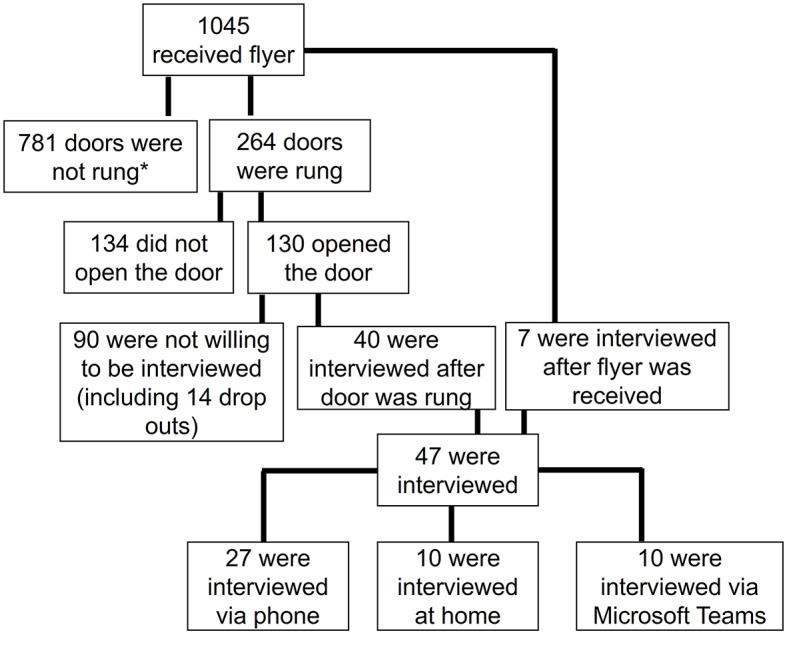
All research phases were performed with four citizens co-researchers. Forty-seven citizens living in low SEP neighborhoods were semi-structurally interviewed about the neighborhood HWA facilities and municipal HWA activities. A rapid coding qualitative analysis approach was applied per topic. The topics were citizens' healthy living description, personal circumstances, and satisfaction with foot and cycle paths, sports facilities, playgrounds, green spaces, museums and theaters, community centers, churches, healthcare, school, food supplies, contact with neighborhood, unfamiliar and/or unused activities, familiar and used activities, unavailable but desired (lacking) activities, and reaching citizens.
RESULTS
The utilization of HWA facilities and activities was influenced by the overarching themes of social cohesion, familiarity, reaching citizens, maintenance, safety, physical accessibility, financial accessibility, social accessibility, fit with personal context, and fit with the neighborhood's specific needs. Different overarching themes stood out across different facilities and activities. LPTs indicated the overarching themes needed in combination with one another for a specific activity or facility to increase utilization. For example, the LPT regarding foot and cycle paths was "accessible, safe, and maintained foot and cycle paths". The LPTs regarding familiar and used activities were "customized activities; information provision (e.g., about possibilities to join without paying); social contact, meeting others, and everyone feels included".
CONCLUSION
Conducting inclusive qualitative research from a systems perspective among citizens living in low SEP neighborhoods has contributed valuable insights into their needs. This enables practical implementation of HWAs by providing a deeper understanding of the LPTs within the HWA system. LPTs can help HWA stakeholders to further develop current HWAs toward systems approaches. Future research could study the leverage points that may contribute to LPT implementation.
背景
物理环境和社会环境是健康体重的重要预测因素,尤其是在社会经济地位较低的社区。许多荷兰城市已经实施了健康体重方法(HWA)。然而,仍有改进的空间。这项系统科学研究探讨了哪些因素会影响HWA设施和活动的利用,以及哪些方面有助于在社会经济地位较低社区的居民所认为的HWA系统中实现期望的系统变革(也称为杠杆点主题(LPTs))。
方法
所有研究阶段均由四名公民共同研究者参与进行。对居住在社会经济地位较低社区的47名居民进行了半结构化访谈,内容涉及社区HWA设施和城市HWA活动。每个主题都采用了快速编码定性分析方法。这些主题包括居民的健康生活描述、个人情况,以及对步行和自行车道、体育设施、游乐场、绿地、博物馆和剧院、社区中心、教堂、医疗保健、学校、食品供应、与邻里的联系、不熟悉和/或未使用的活动、熟悉和使用的活动、不可用但期望(缺乏)的活动,以及接触居民的情况。
结果
HWA设施和活动的利用受到社会凝聚力、熟悉程度、接触居民、维护、安全、物理可达性、经济可达性、社会可达性、与个人背景的契合度以及与社区特定需求的契合度等总体主题的影响。不同的总体主题在不同的设施和活动中表现突出。LPTs表明,特定活动或设施需要将这些总体主题相互结合,以提高利用率。例如,关于步行和自行车道的LPT是“可达、安全且维护良好的步行和自行车道”。关于熟悉和使用的活动的LPT是“定制活动;信息提供(例如,关于免费参与的可能性);社交接触、与他人见面以及每个人都感到被包容”。
结论
从系统角度对社会经济地位较低社区的居民进行包容性定性研究,为了解他们的需求提供了宝贵的见解。这有助于通过更深入地理解HWA系统中的LPTs来实际实施HWA。LPTs可以帮助HWA利益相关者将当前的HWA进一步发展为系统方法。未来的研究可以探讨可能有助于实施LPTs的杠杆点。
 Zotero 插件