
一项评估痔病保守治疗的国际观察性研究:CHORALIS(急性痔病评估国际研究)的结果。
An international observational study assessing conservative management in hemorrhoidal disease: results of CHORALIS (aCute HemORrhoidal disease evALuation International Study).
机构信息
Department of Gastroenterology, Institut Mutualiste Montsouris, Paris Descartes University, 42 Bd Jourdan, 75014, Paris, France.
University of Debreceni, Faculty of Medicine, Nagyerdei krt. 94, 4032, Debrecen, Hungary.
出版信息
J Comp Eff Res. 2024 Oct;13(10):e240070. doi: 10.57264/cer-2024-0070. Epub 2024 Aug 12.
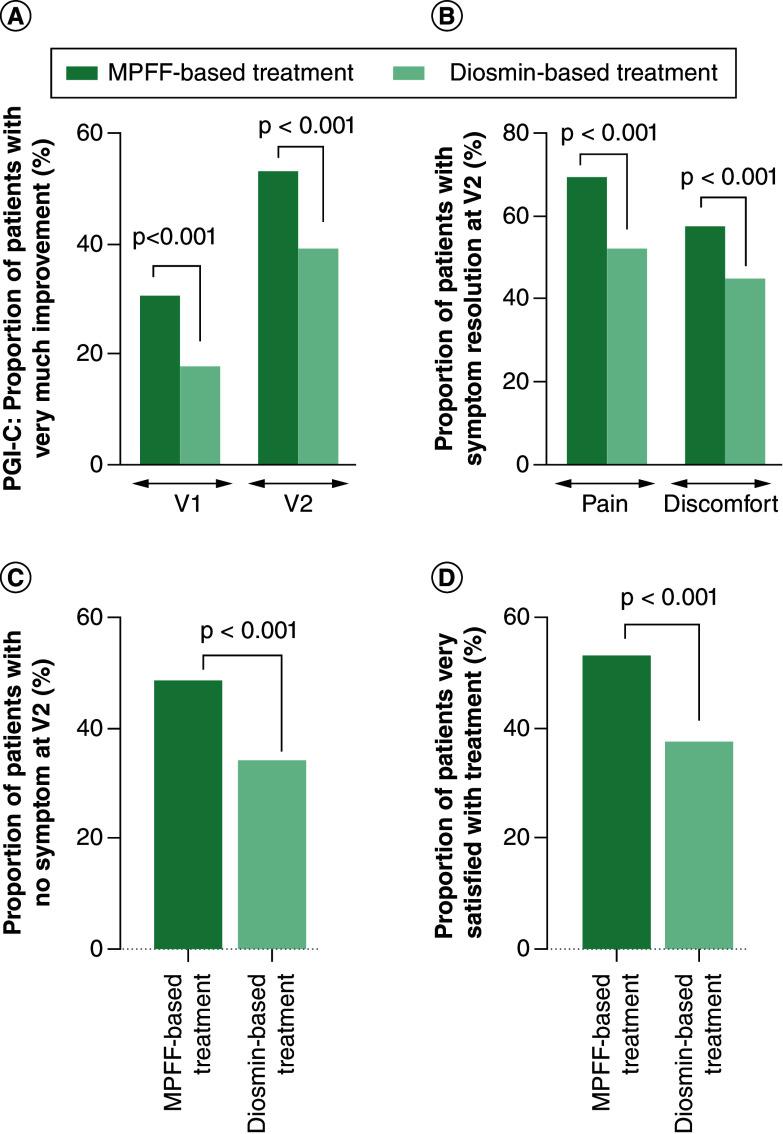
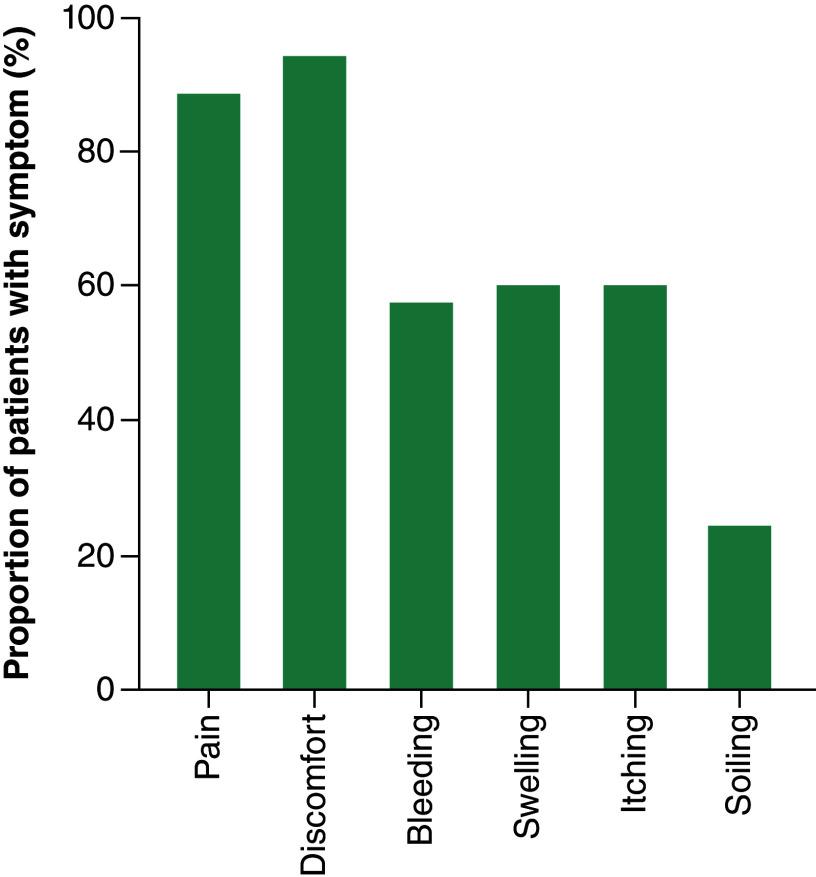
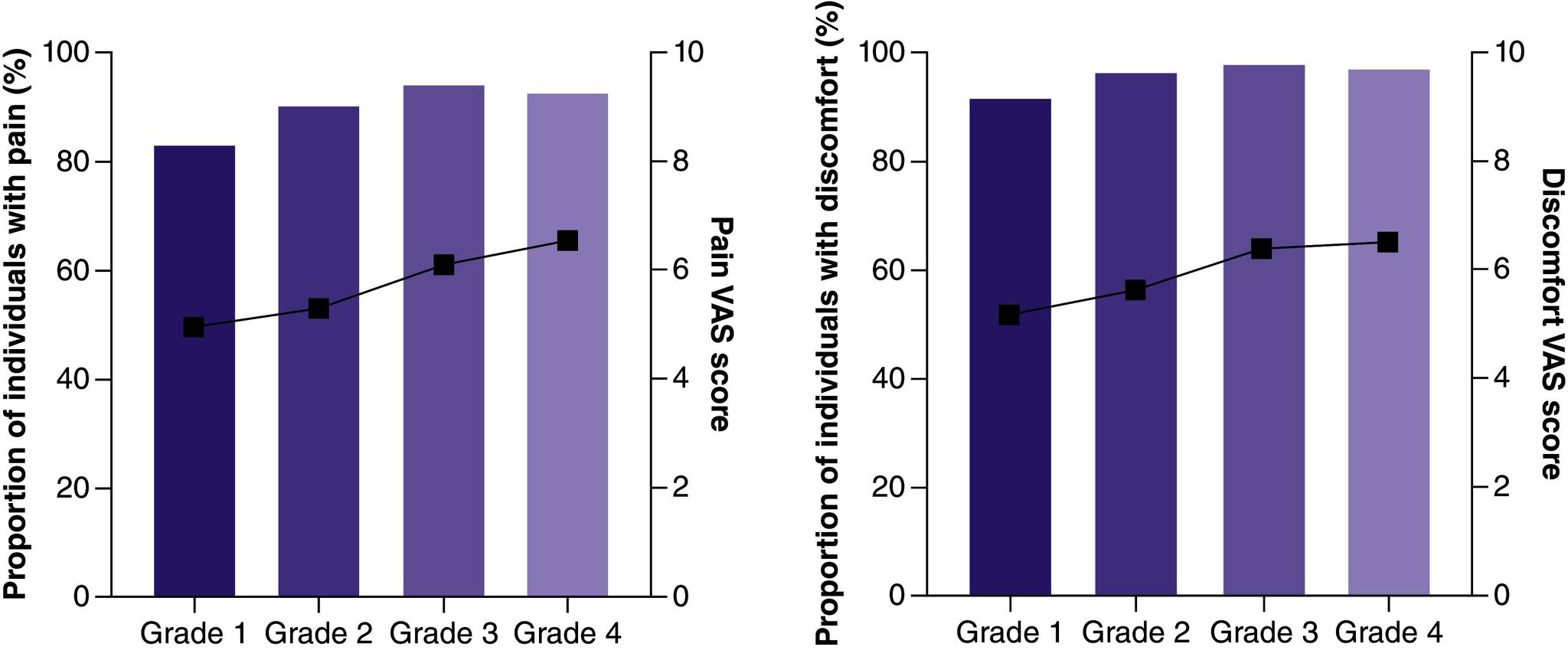
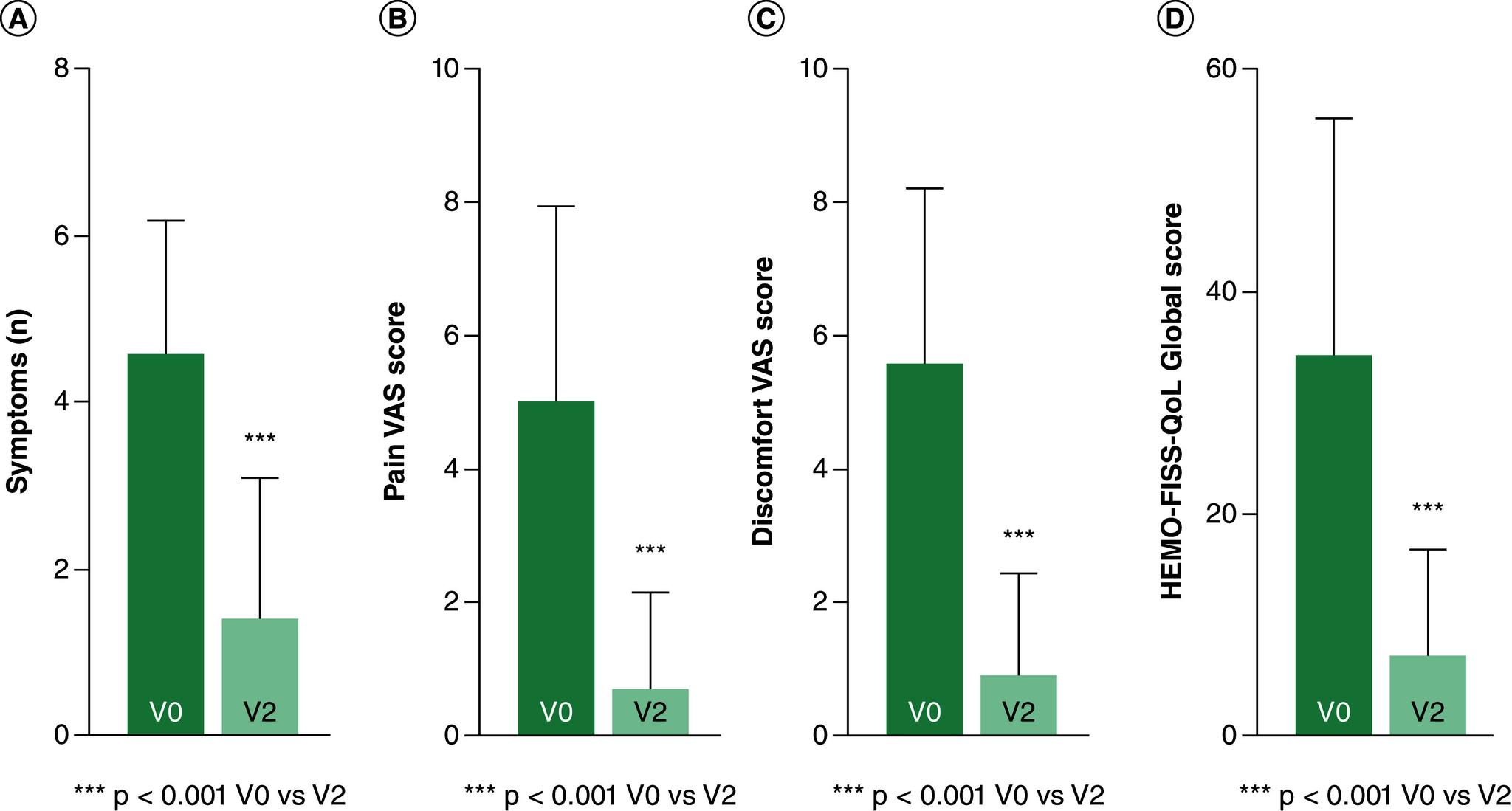
Real-world evidence on the management of hemorrhoidal disease (HD) is limited. This international study collected clinical practice data on the effectiveness of conservative treatments for acute HD on symptoms and quality of life (QoL), providing perspectives of treatment modalities from different continents. The 4-week observational prospective CHORALIS study involved adult outpatients consulting for spontaneous complaints of hemorrhoids (graded using Goligher classification) and prescribed conservative treatments according to usual clinical practice. Assessments were: anal pain/discomfort (visual analog scale [VAS]), other signs/symptoms (patient questionnaire), Patient Global Impression of Change (PGI-C) questionnaire and disease-specific QoL (HEMO-FISS-QoL questionnaire). Of 3592 participants, 3505 were analyzed (58.4% male; age 40.5 ± 13.7 years; history of HD in 48.4%; 72.1% Goligher grade I and II). Pain and discomfort were the most common symptoms. Most treatments were venoactive drugs (VADs; 90.9%), particularly micronized purified flavonoid fraction (MPFF; 73.7%) and diosmin (14.6%). All VAD-based therapies improved signs/symptoms (number/intensity/frequency of pain, discomfort, bleeding, swelling, itching and soiling) and QoL. MPFF was associated with a significantly greater proportion of patients with no symptoms (48.8 vs diosmin 34.4%, p < 0.001), pain disappearance (69.7 vs diosmin 52.8%, p < 0.001), treatment impact at 1 week rated on PGI-C as 'very much better' (30.5 vs diosmin 17.9%, p < 0.001) and shorter times to improvement (mean ± SD 3.9 ± 1.5 days vs diosmin 4.2 ± 1.7 days). In this prospective real-world study of patients with acute HD, conservative therapies consisting mainly of VADs, including MPFF, improved the clinical signs and symptoms of disease, as well as QoL. This study evidence supports clinical advantages associated with VADs, mostly MPFF, for effectively managing acute HD.
关于痔病(HD)管理的真实世界证据有限。这项国际研究收集了关于急性 HD 保守治疗有效性的临床实践数据,这些数据涉及症状和生活质量(QoL),为来自不同大洲的治疗方式提供了视角。为期 4 周的观察性前瞻性 CHORALIS 研究纳入了因自发性痔病(使用 Goligher 分级)就诊的成年门诊患者,并根据常规临床实践为他们开出保守治疗方案。评估内容包括:肛门疼痛/不适(视觉模拟量表[VAS])、其他体征/症状(患者问卷)、患者总体印象变化(PGI-C)问卷和疾病特异性 QoL(HEMO-FISS-QoL 问卷)。在 3592 名参与者中,3505 名(58.4%为男性;年龄 40.5±13.7 岁;HD 病史 48.4%;72.1%为 Goligher 分级 I 和 II)被纳入分析。疼痛和不适是最常见的症状。最常见的治疗方法是静脉活性药物(VADs),特别是微粒化纯化黄酮类(MPFF;73.7%)和地奥司明(14.6%)。所有基于 VAD 的治疗方法均改善了体征/症状(疼痛、不适、出血、肿胀、瘙痒和污染的次数/强度/频率)和 QoL。MPFF 与无症状(48.8%比地奥司明 34.4%,p<0.001)、疼痛消失(69.7%比地奥司明 52.8%,p<0.001)、1 周时 PGI-C 评为“非常明显改善”(30.5%比地奥司明 17.9%,p<0.001)和改善时间更短(平均±SD 3.9±1.5 天比地奥司明 4.2±1.7 天)的患者比例显著更高相关。在这项针对急性 HD 患者的前瞻性真实世界研究中,主要由 VAD 组成的保守治疗方案,包括 MPFF,改善了疾病的临床体征和症状以及 QoL。这项研究证据支持了 VAD 与有效管理急性 HD 相关的临床优势,主要是 MPFF。

 Zotero 插件