
橄榄叶提取物负载的脂质纳米载体联合新城疫病毒对宫颈癌的协同细胞毒性作用。
Synergistic cytotoxicity of olive leaf extract-loaded lipid nanocarriers combined with Newcastle disease virus against cervical cancer cells.
机构信息
Department of Pathobiology, School of Veterinary Medicine, Shiraz University, Shiraz, Iran.
Department of Food Hygiene and Public Health, School of Veterinary Medicine, Shiraz University, Shiraz, Iran.
出版信息
PLoS One. 2024 Aug 14;19(8):e0308599. doi: 10.1371/journal.pone.0308599. eCollection 2024.
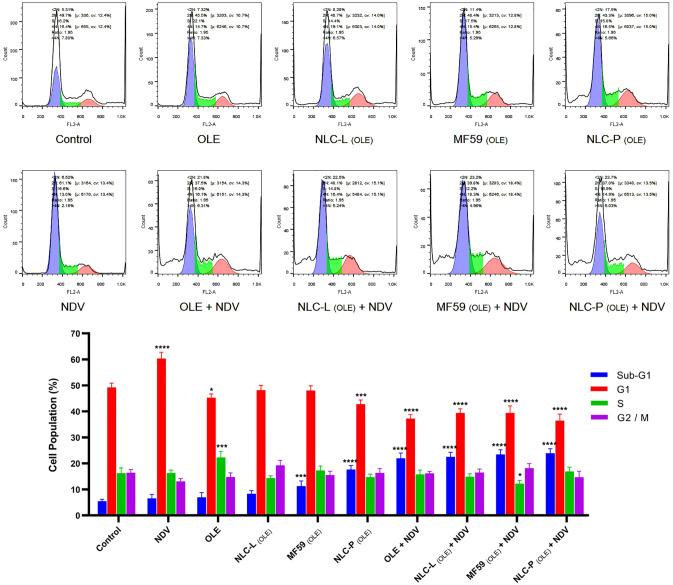
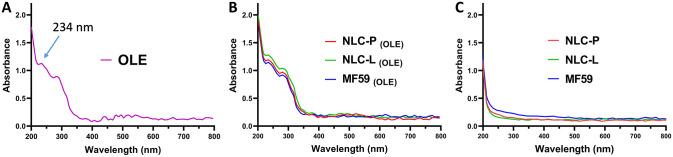
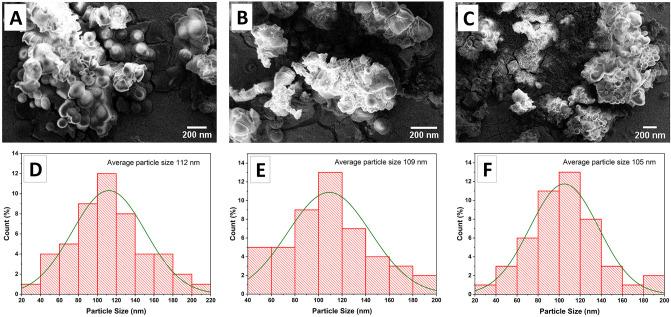
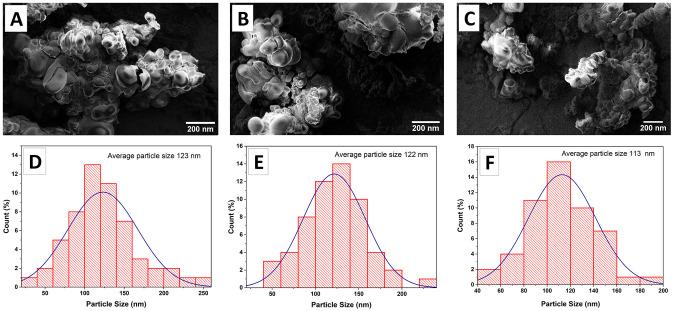
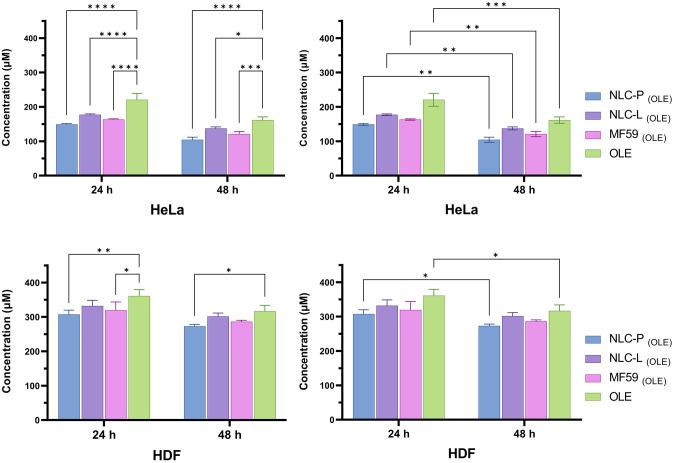
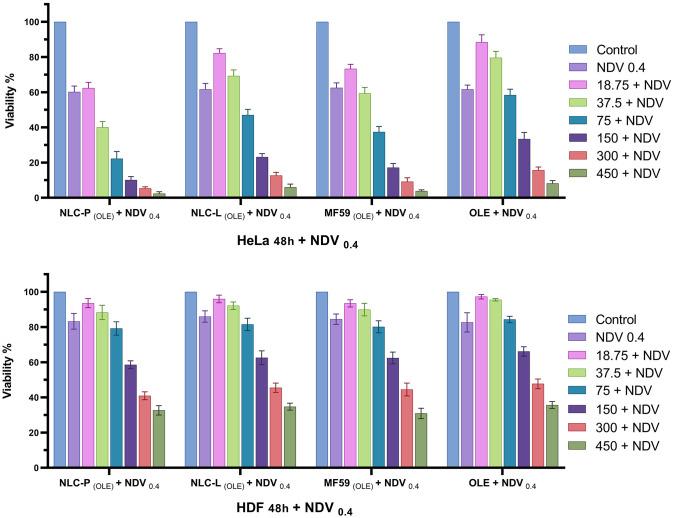
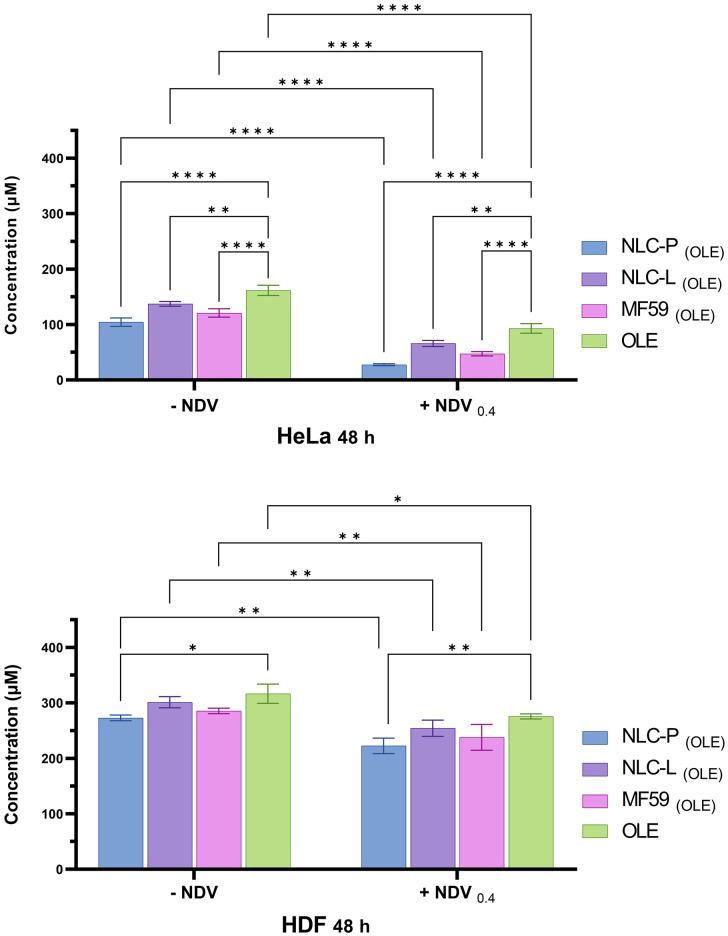
Despite recent medical progress, cervical cancer remains a major global health concern for women. Current standard treatments have limitations such as non-specific toxicity that necessitate development of safer and more effective therapeutic strategies. This research evaluated the combinatorial effects of olive leaf extract (OLE), rich in anti-cancer polyphenols, and the oncolytic Newcastle disease virus (NDV) against human cervical cancer cells. OLE was efficiently encapsulated (>94% loading) within MF59 lipid nanoparticles and nanostructured lipid carriers (NLCs; contains Precirol as NLC-P, contains Lecithin as NLC-L) to enhance stability, bioavailability, and targeted delivery. Physicochemical analysis confirmed successful encapsulation of OLE within nanoparticles smaller than 150 nm. In vitro cytotoxicity assays demonstrated significantly higher toxicity of the OLE-loaded nanoparticle formulations on HeLa cancer cells versus HDF normal cells (P<0.05). MF59 achieved the highest encapsulation efficiency, while NLC-P had the best drug release profile. NDV selectively infected and killed HeLa cells versus HDF cells. Notably, combining NDV with OLE-loaded nanoparticles led to significantly enhanced synergistic cytotoxicity against cancer cells (P<0.05), with NLC-P (OLE) and NDV producing the strongest effects. Apoptosis and cell cycle analyses confirmed the increased anti-cancer activity of the combinatorial treatment, which induced cell cycle arrest. This study provides evidence that co-delivery of OLE-loaded lipid nanoparticles and NDV potentiates anti-cancer activity against cervical cancer cells in vitro through a synergistic mechanism, warranting further development as a promising alternative cervical cancer therapy.
尽管最近在医学上取得了进展,但宫颈癌仍然是全球女性面临的主要健康问题。目前的标准治疗方法存在局限性,例如非特异性毒性,这需要开发更安全、更有效的治疗策略。本研究评估了橄榄叶提取物(OLE)与溶瘤新城疫病毒(NDV)联合对人宫颈癌细胞的协同作用。OLE 被有效地包裹在 MF59 脂质纳米粒和纳米结构脂质载体(NLC;包含 Precirol 的 NLC-P,包含卵磷脂的 NLC-L)中,以提高其稳定性、生物利用度和靶向递送能力。物理化学分析证实 OLE 成功地包裹在小于 150nm 的纳米粒子中。体外细胞毒性试验表明,负载 OLE 的纳米粒子制剂对 HeLa 癌细胞的毒性明显高于 HDF 正常细胞(P<0.05)。MF59 实现了最高的包封效率,而 NLC-P 具有最佳的药物释放曲线。NDV 选择性感染并杀死 HeLa 细胞而不感染 HDF 细胞。值得注意的是,将 NDV 与负载 OLE 的纳米粒子联合使用可显著增强对癌细胞的协同细胞毒性(P<0.05),其中 NLC-P(OLE)和 NDV 的作用最强。凋亡和细胞周期分析证实,联合治疗可显著增强其抗癌活性,导致细胞周期停滞。本研究提供了证据表明,负载 OLE 的脂质纳米粒和 NDV 的联合递送可通过协同机制增强体外宫颈癌细胞的抗癌活性,为进一步开发作为有前途的宫颈癌替代疗法提供了依据。





 Zotero 插件