
单细胞分析先天脊髓再生鉴定神经元修复的相交模式。
Single-cell analysis of innate spinal cord regeneration identifies intersecting modes of neuronal repair.
机构信息
Department of Developmental Biology, Washington University School of Medicine, St. Louis, MO, USA.
Center of Regenerative Medicine, Washington University School of Medicine, St. Louis, MO, USA.
出版信息
Nat Commun. 2024 Aug 15;15(1):6808. doi: 10.1038/s41467-024-50628-y.
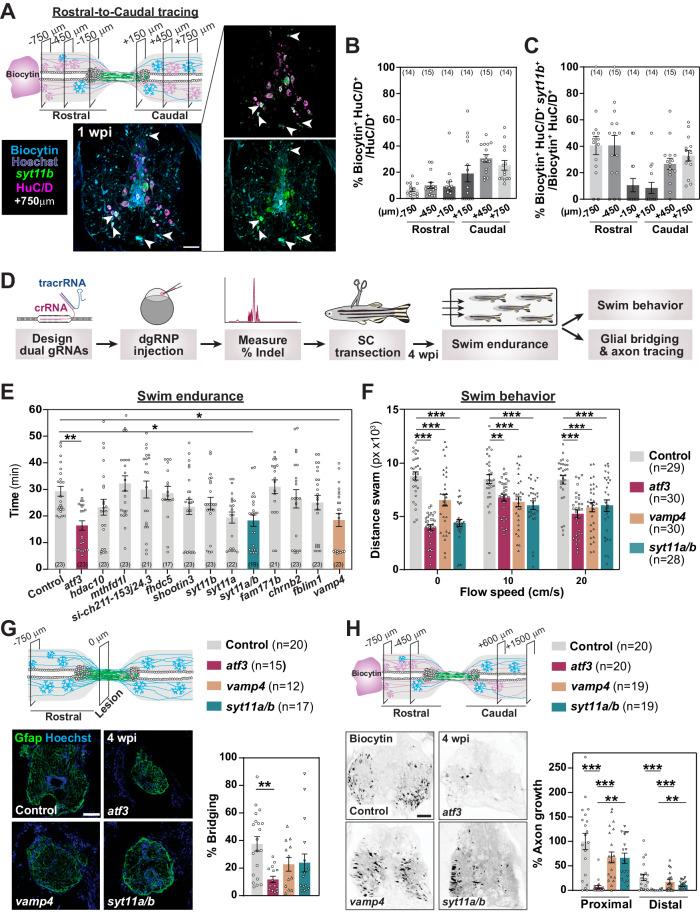
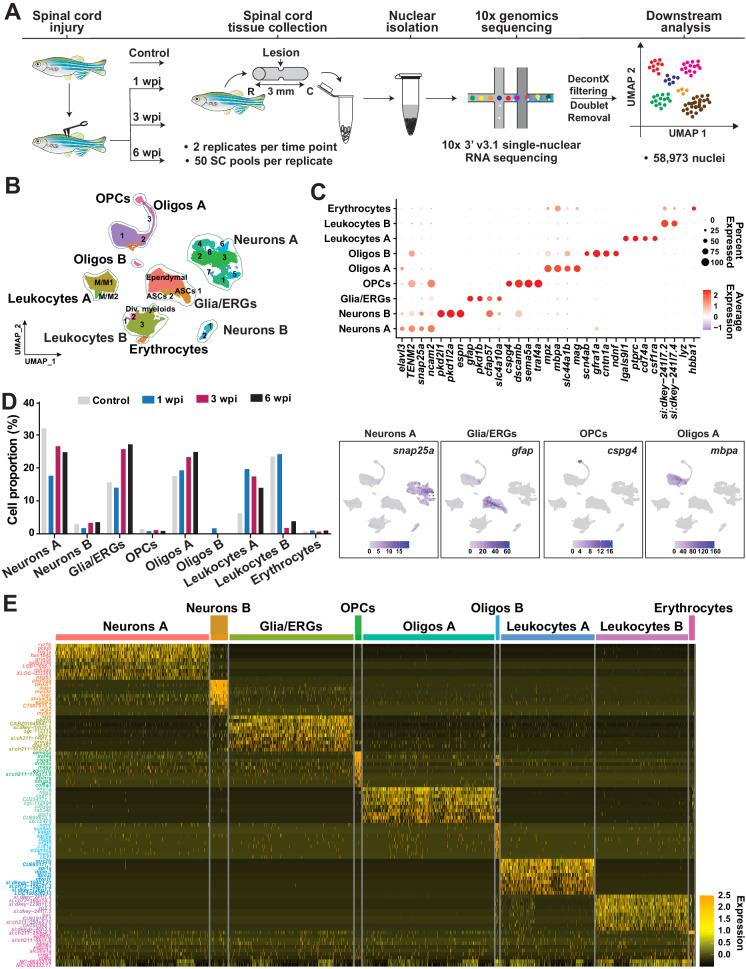
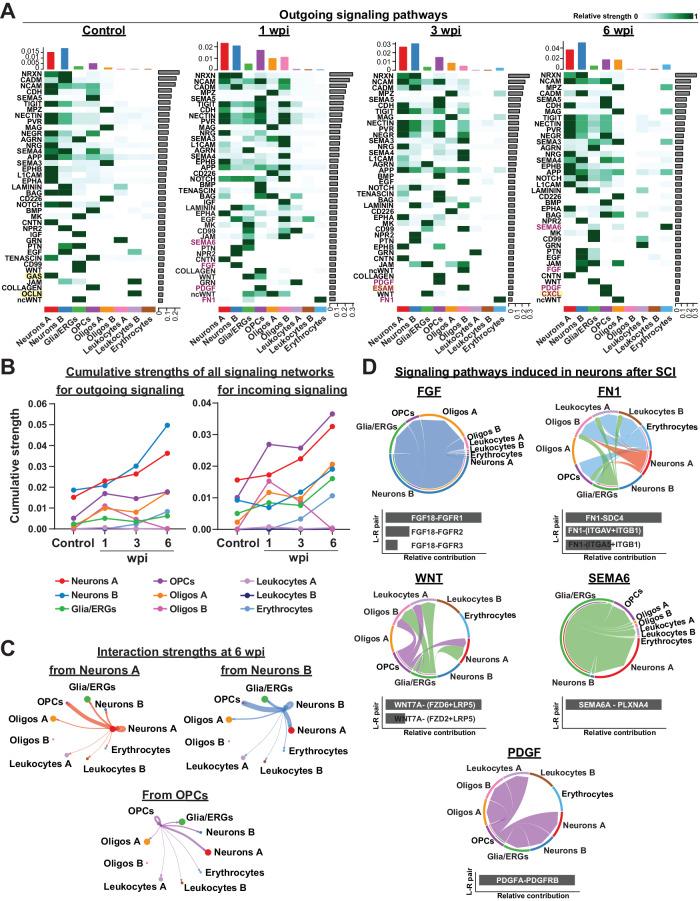
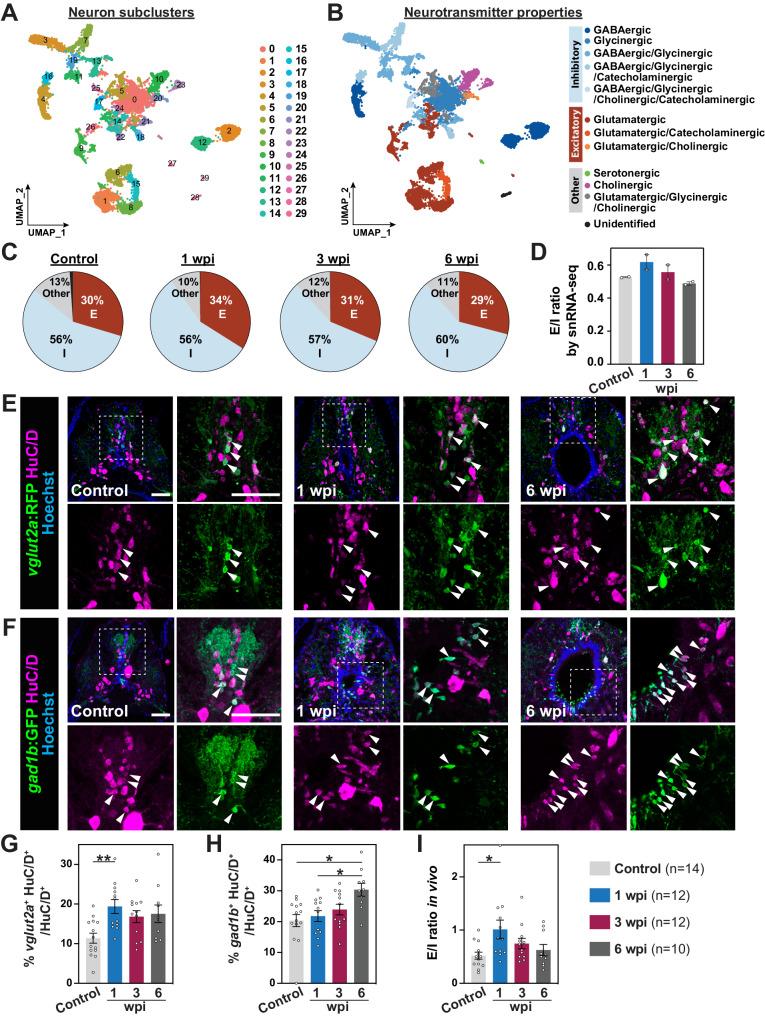
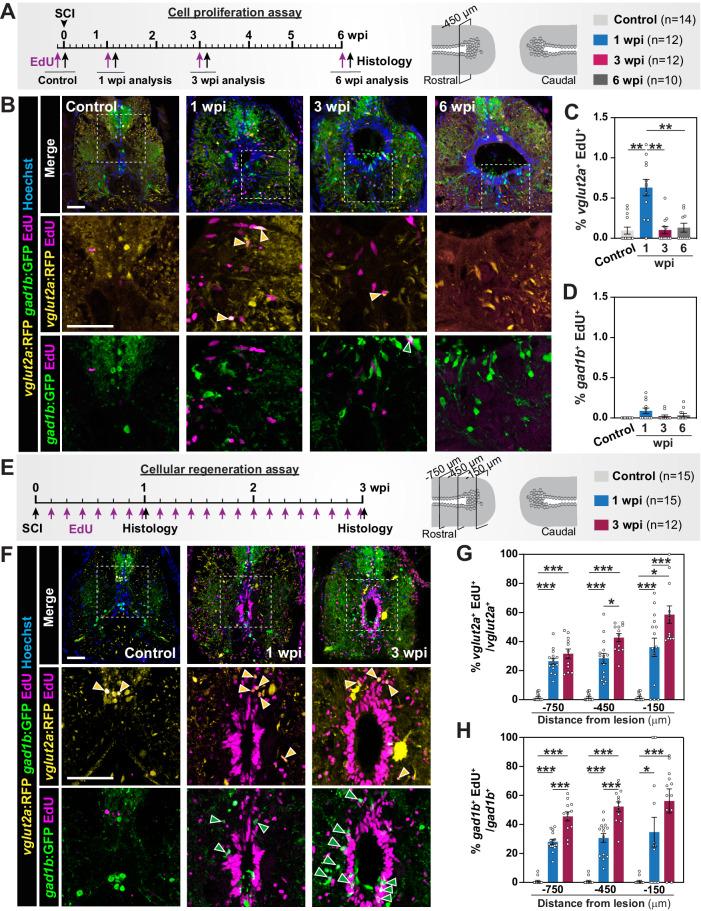
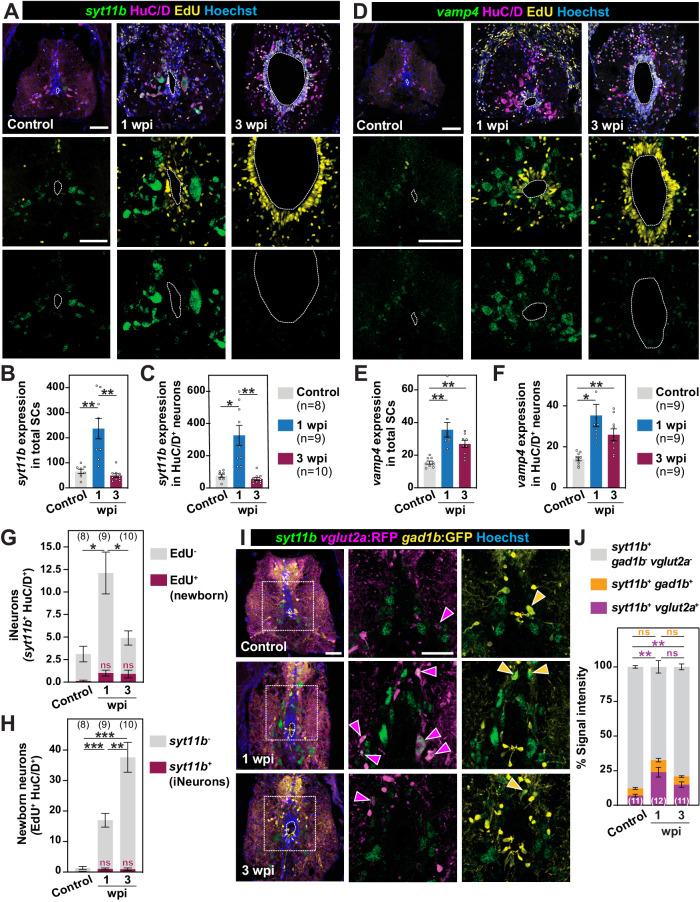
Adult zebrafish have an innate ability to recover from severe spinal cord injury. Here, we report a comprehensive single nuclear RNA sequencing atlas that spans 6 weeks of regeneration. We identify cooperative roles for adult neurogenesis and neuronal plasticity during spinal cord repair. Neurogenesis of glutamatergic and GABAergic neurons restores the excitatory/inhibitory balance after injury. In addition, a transient population of injury-responsive neurons (iNeurons) show elevated plasticity 1 week post-injury. We found iNeurons are injury-surviving neurons that acquire a neuroblast-like gene expression signature after injury. CRISPR/Cas9 mutagenesis showed iNeurons are required for functional recovery and employ vesicular trafficking as an essential mechanism that underlies neuronal plasticity. This study provides a comprehensive resource of the cells and mechanisms that direct spinal cord regeneration and establishes zebrafish as a model of plasticity-driven neural repair.
成年斑马鱼具有从严重脊髓损伤中恢复的先天能力。在这里,我们报告了一个全面的单一核 RNA 测序图谱,该图谱跨越了 6 周的再生过程。我们确定了成年神经发生和神经元可塑性在脊髓修复过程中的合作作用。谷氨酸能和 GABA 能神经元的神经发生在损伤后恢复了兴奋性/抑制性平衡。此外,损伤反应性神经元(iNeurons)在损伤后 1 周表现出较高的可塑性。我们发现 iNeurons 是损伤存活的神经元,在损伤后获得神经母细胞样基因表达特征。CRISPR/Cas9 诱变表明,iNeurons 是功能恢复所必需的,并且利用囊泡转运作为神经元可塑性的基本机制。这项研究提供了指导脊髓再生的细胞和机制的综合资源,并确立了斑马鱼作为可塑性驱动的神经修复的模型。

 Zotero 插件