
解析镶嵌现象:胶质母细胞瘤中的表观遗传多样性
Unravelling the mosaic: Epigenetic diversity in glioblastoma.
作者信息
Lucchini Sara, Constantinou Myrianni, Marino Silvia
机构信息
Brain Tumour Research Centre, Blizard Institute, Faculty of Medicine and Dentistry, Queen Mary University of London, UK.
Barts Brain Tumour Centre, Faculty of Medicine and Dentistry, Queen Mary University of London, UK.
出版信息
Mol Oncol. 2024 Dec;18(12):2871-2889. doi: 10.1002/1878-0261.13706. Epub 2024 Aug 15.
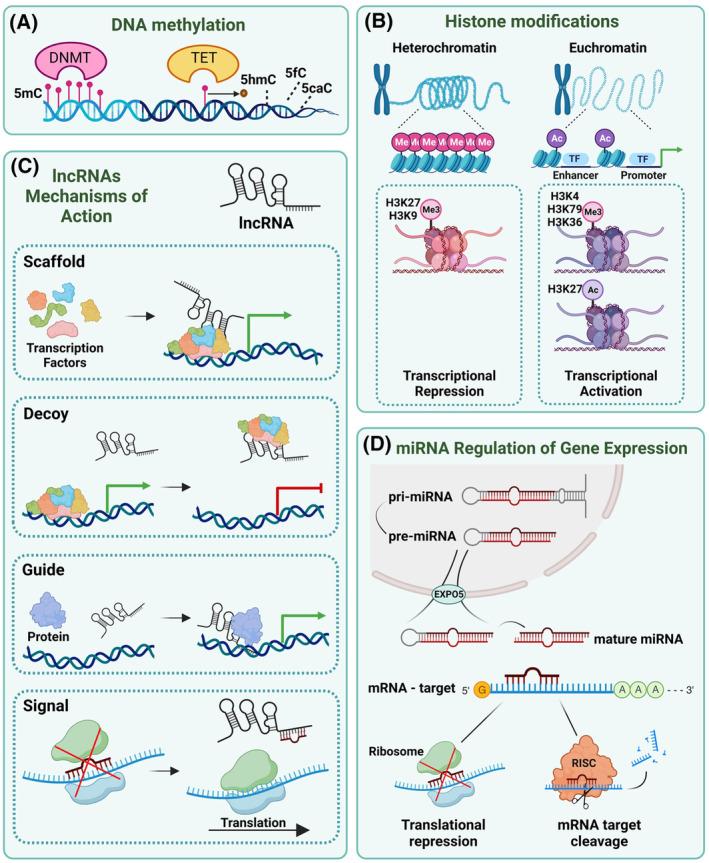
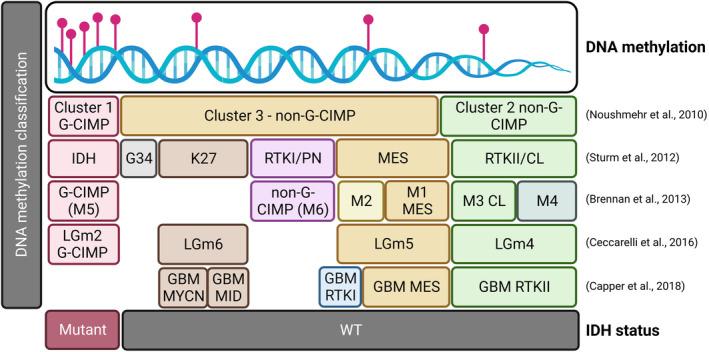
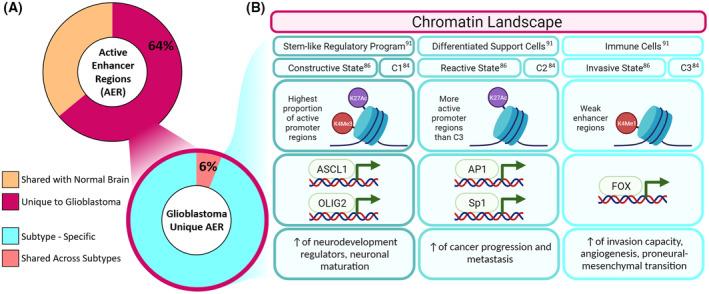
Glioblastoma is the most common primary malignant brain tumour. Despite decades of intensive research in the disease, its prognosis remains poor, with an average survival of only 14 months after diagnosis. The remarkable level of intra- and interpatient heterogeneity is certainly contributing to the lack of progress in tackling this tumour. Epigenetic dysregulation plays an important role in glioblastoma biology and significantly contributes to intratumour heterogeneity. However, it is becoming increasingly clear that it also contributes to intertumour heterogeneity, which historically had mainly been linked to diverse genetic events occurring in different patients. In this review, we explore how DNA methylation, chromatin remodelling, microRNA (miRNA) dysregulation, and long noncoding RNA (lncRNA) alterations contribute to intertumour heterogeneity in glioblastoma, including its implications for advanced tumour stratification, which is the essential first step for developing more effective patient-specific therapeutic approaches.
胶质母细胞瘤是最常见的原发性恶性脑肿瘤。尽管对该疾病进行了数十年的深入研究,但其预后仍然很差,诊断后的平均生存期仅为14个月。患者内和患者间显著的异质性水平无疑导致了在攻克这种肿瘤方面缺乏进展。表观遗传失调在胶质母细胞瘤生物学中起重要作用,并显著促成肿瘤内异质性。然而,越来越明显的是,它也促成肿瘤间异质性,而肿瘤间异质性在历史上主要与不同患者中发生的各种基因事件有关。在这篇综述中,我们探讨DNA甲基化、染色质重塑、微小RNA(miRNA)失调和长链非编码RNA(lncRNA)改变如何导致胶质母细胞瘤的肿瘤间异质性,包括其对高级肿瘤分层的影响,这是开发更有效的针对患者的治疗方法的关键第一步。

 Zotero 插件