
自噬、铁死亡和焦亡在脓毒症诱导的急性肺损伤中的作用及机制
Role and mechanisms of autophagy, ferroptosis, and pyroptosis in sepsis-induced acute lung injury.
作者信息
Shen Yao, He Yingying, Pan Ying, Liu Li, Liu Yulin, Jia Jing
机构信息
Department of Anesthesiology, The Affiliated Hospital, Southwest Medical University, Luzhou, China.
Anesthesiology and Critical Care Medicine Key Laboratory of Luzhou, The Affiliated Hospital, Southwest Medical University, Luzhou, China.
出版信息
Front Pharmacol. 2024 Aug 5;15:1415145. doi: 10.3389/fphar.2024.1415145. eCollection 2024.
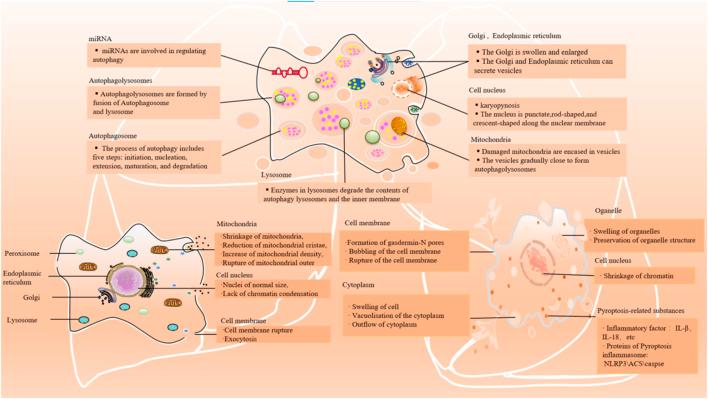
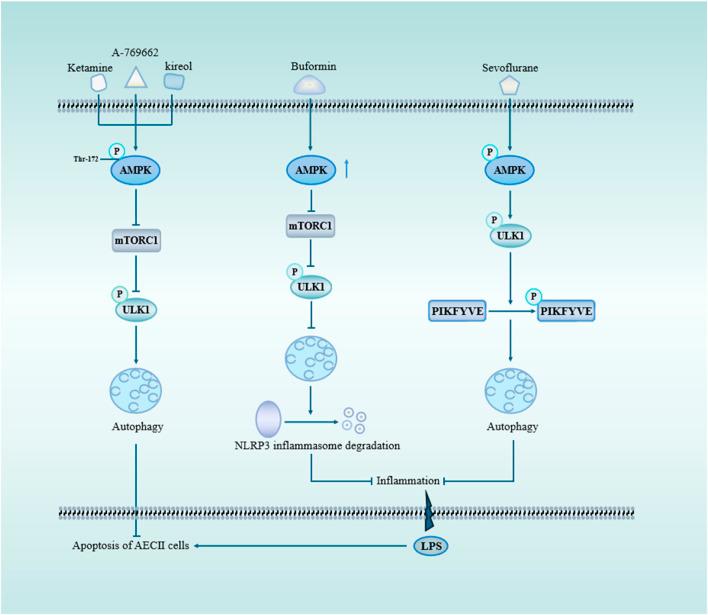
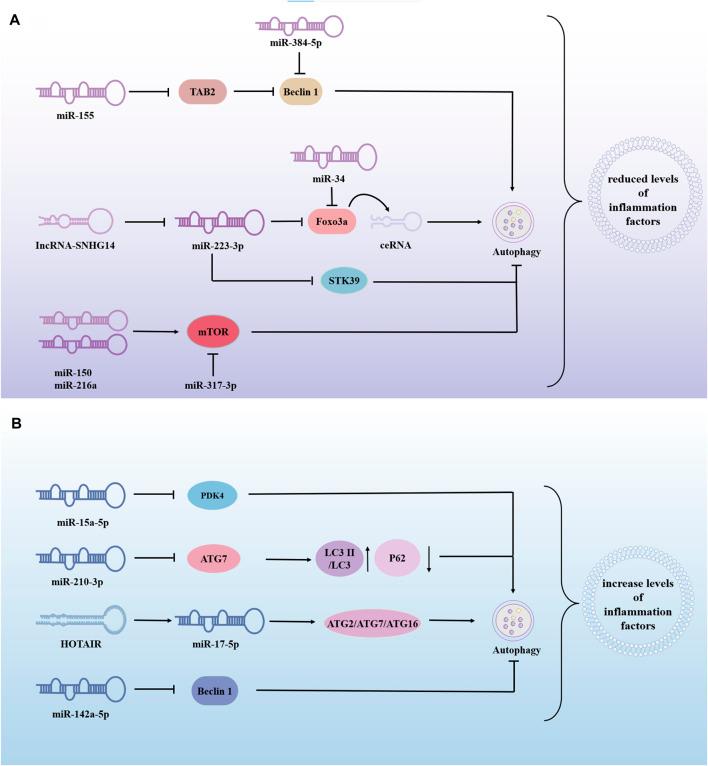
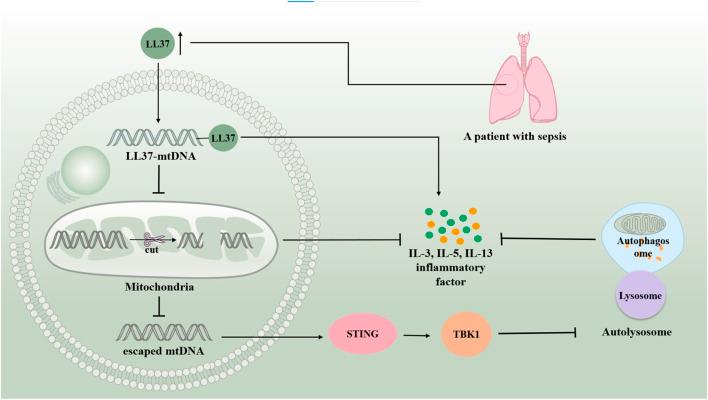
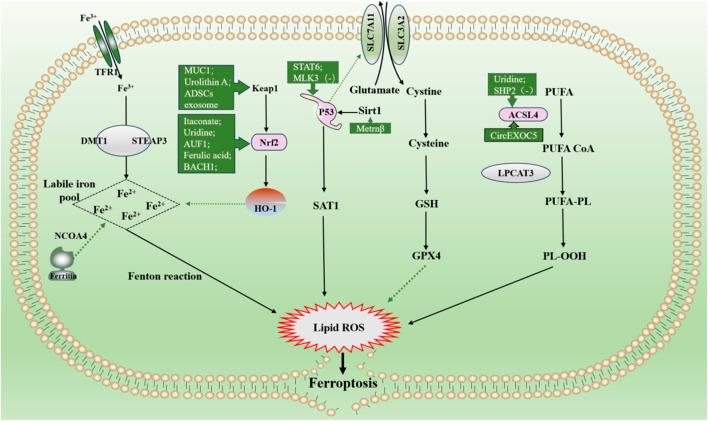
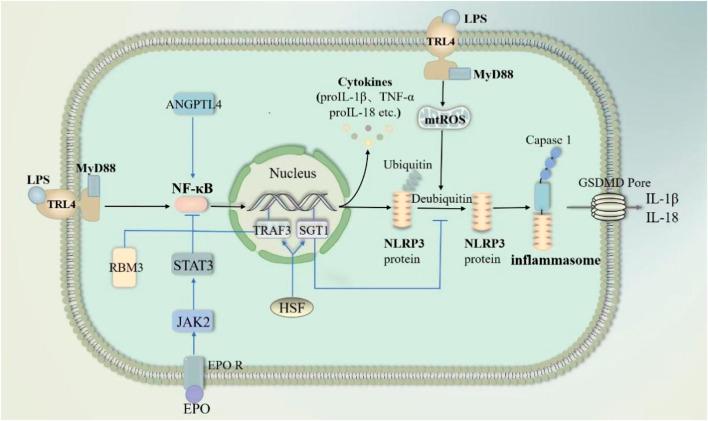
Sepsis-induced acute lung injury (ALI) is a major cause of death among patients with sepsis in intensive care units. By analyzing a model of sepsis-induced ALI using lipopolysaccharide (LPS) and cecal ligation and puncture (CLP), treatment methods and strategies to protect against ALI were discussed, which could provide an experimental basis for the clinical treatment of sepsis-induced ALI. Recent studies have found that an imbalance in autophagy, ferroptosis, and pyroptosis is a key mechanism that triggers sepsis-induced ALI, and regulating these death mechanisms can improve lung injuries caused by LPS or CLP. This article summarized and reviewed the mechanisms and regulatory networks of autophagy, ferroptosis, and pyroptosis and their important roles in the process of LPS/CLP-induced ALI in sepsis, discusses the possible targeted drugs of the above mechanisms and their effects, describes their dilemma and prospects, and provides new perspectives for the future treatment of sepsis-induced ALI.
脓毒症诱导的急性肺损伤(ALI)是重症监护病房中脓毒症患者死亡的主要原因。通过分析使用脂多糖(LPS)和盲肠结扎穿刺(CLP)建立的脓毒症诱导ALI模型,探讨了预防ALI的治疗方法和策略,可为脓毒症诱导ALI的临床治疗提供实验依据。最近的研究发现,自噬、铁死亡和焦亡失衡是引发脓毒症诱导ALI的关键机制,调节这些死亡机制可改善由LPS或CLP引起的肺损伤。本文总结并综述了自噬、铁死亡和焦亡的机制及调控网络,以及它们在脓毒症中LPS/CLP诱导ALI过程中的重要作用,讨论了上述机制可能的靶向药物及其作用,描述了它们面临的困境和前景,为未来脓毒症诱导ALI的治疗提供了新的视角。


 Zotero 插件