
嵌合抗原受体(CAR)T细胞疗法后的心脏不良事件:一项更新的系统评价和荟萃分析。
Cardiac adverse events after Chimeric Antigen Receptor (CAR) T cell therapies: an updated systematic review and meta-analysis.
作者信息
Maleki Saba, Esmaeili Zahra, Seighali Niloofar, Shafiee Arman, Namin Sara Montazeri, Zavareh Mohammad Amin Tofighi, Khamene Sima Shamshiri, Mohammadkhawajah Izat, Nanna Michael, Alizadeh-Asl Azin, M Kwan Jennifer, Hosseini Kaveh
机构信息
School of Medicine, Guilan University of Medical Sciences (GUMS), Rasht, Guilan Province, Iran.
Cardiac Primary Prevention Research Center, Cardiovascular Diseases Research Institute, Tehran University of Medical Sciences, Tehran, Iran.
出版信息
Cardiooncology. 2024 Aug 20;10(1):52. doi: 10.1186/s40959-024-00252-y.
PURPOSE
Chimeric antigen receptor (CAR) T-cell therapy is a new revolutionary method for treating refractory or relapsed hematologic malignancies, CAR T-cell therapy has been associated with cytokine release syndrome (CRS) and cardiotoxicity. We directed a systematic review and meta-analysis to determine the incidence and predictors of cardiovascular events (CVE) with CAR T-cell therapy.
METHODS
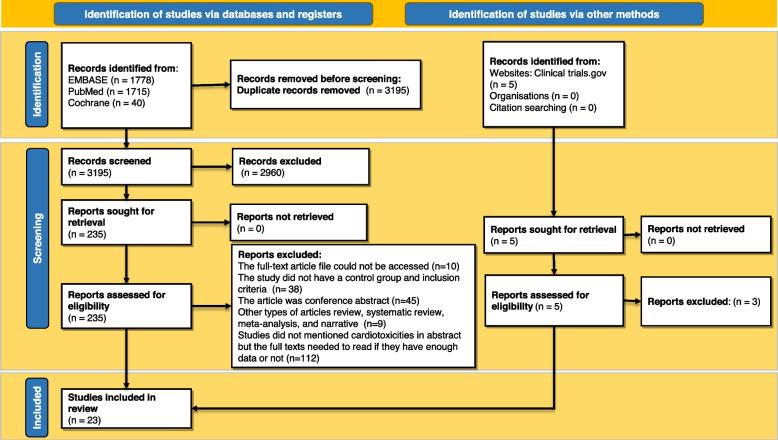
We investigated PubMed, Embase, Cochrane Library, and ClinicalTrials.gov for studies reporting cardiovascular outcomes in CAR-T cell recipients. The study protocol was listed in the International Prospective Register of Systematic Reviews (PROSPERO ID: CRD42023478602). Twenty-three studies were included in this study.
RESULTS
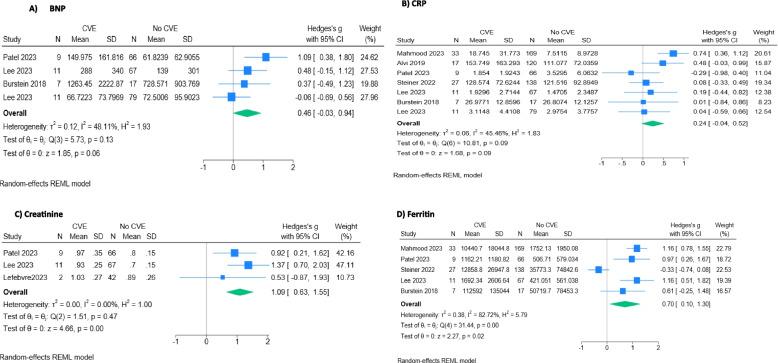
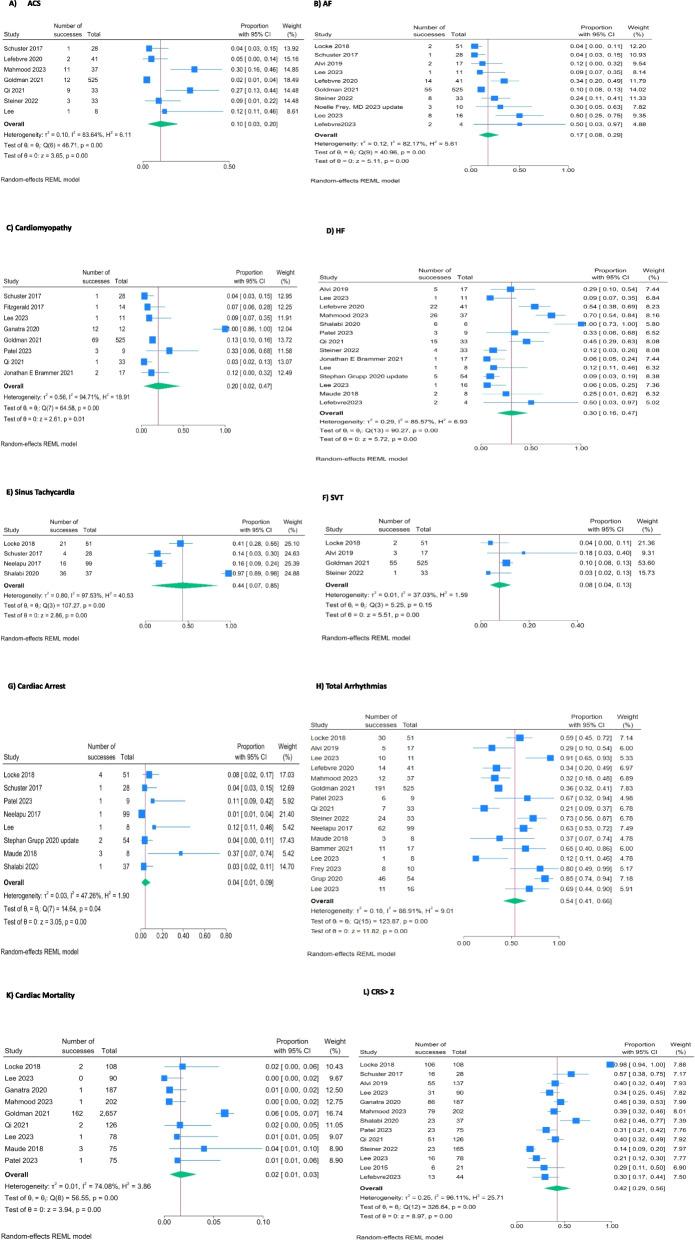
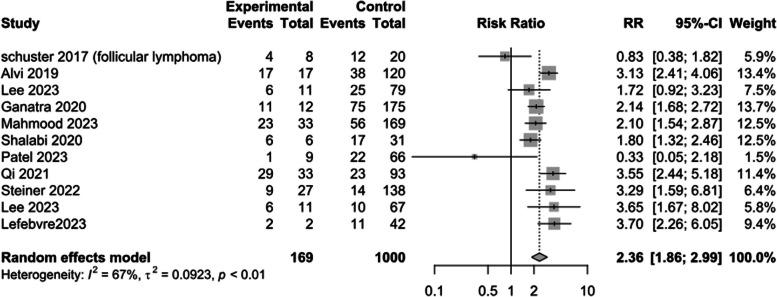
The pooled incidence of CVE was 54% for arrhythmias, 30% for heart failure, 20% for cardiomyopathy, 10% for acute coronary syndrome, and 7% for cardiac arrest. Patients with CVE had a higher incidence of cytokine release syndrome grade ≥ 2 (RR 2.36, 95% CI 1.86-2.99). The incidence of cardiac mortality in our meta-analysis was 2% (95% CI: 1%-3%). Left ventricular ejection fraction decline was greater in the CVE group (-9.4% versus -1.5%, p < 0.001). Cardiac biomarkers like BNP, CRP, creatinine, and ferritin were also elevated.
CONCLUSIONS
CAR T-cell therapy commonly leads to cardiotoxicity, mediated by cytokine release syndrome. Vigilant monitoring and tailored treatments are crucial to mitigate these effects. Importantly, there's no significant difference in cardiac mortality between groups, suggesting insights for optimizing preventive interventions and reducing risks after CAR T-cell therapy.
目的
嵌合抗原受体(CAR)T细胞疗法是治疗难治性或复发性血液系统恶性肿瘤的一种全新的革命性方法,CAR T细胞疗法与细胞因子释放综合征(CRS)和心脏毒性有关。我们进行了一项系统评价和荟萃分析,以确定CAR T细胞疗法导致心血管事件(CVE)的发生率及预测因素。
方法
我们检索了PubMed、Embase、Cochrane图书馆和ClinicalTrials.gov,查找报告CAR-T细胞接受者心血管结局的研究。该研究方案已在国际前瞻性系统评价注册库(PROSPERO编号:CRD42023478602)中列出。本研究纳入了23项研究。
结果
CVE的合并发生率分别为:心律失常54%、心力衰竭30%、心肌病20%、急性冠状动脉综合征10%、心脏骤停7%。发生CVE的患者细胞因子释放综合征≥2级的发生率更高(相对危险度2.36,95%置信区间1.86 - 2.99)。我们的荟萃分析中心脏死亡率为2%(95%置信区间:1% - 3%)。CVE组左心室射血分数下降幅度更大(-9.4%对-1.5%,p < 0.001)。脑钠肽、C反应蛋白、肌酐和铁蛋白等心脏生物标志物也升高。
结论
CAR T细胞疗法通常会导致由细胞因子释放综合征介导的心脏毒性。进行密切监测和针对性治疗对于减轻这些影响至关重要。重要的是,各组之间心脏死亡率无显著差异,这为优化预防干预措施和降低CAR T细胞疗法后的风险提供了思路。



 Zotero 插件