
术后血压管理在清醒开颅脑肿瘤患者术后早期出血中的作用。
The role of postoperative blood pressure management in early postoperative hemorrhage in awake craniotomy glioma patients.
机构信息
Department of Neurosurgery, Medical University of Innsbruck, Anichstr. 35, Innsbruck, AT-6020, Austria.
出版信息
Neurosurg Rev. 2024 Aug 22;47(1):452. doi: 10.1007/s10143-024-02661-0.
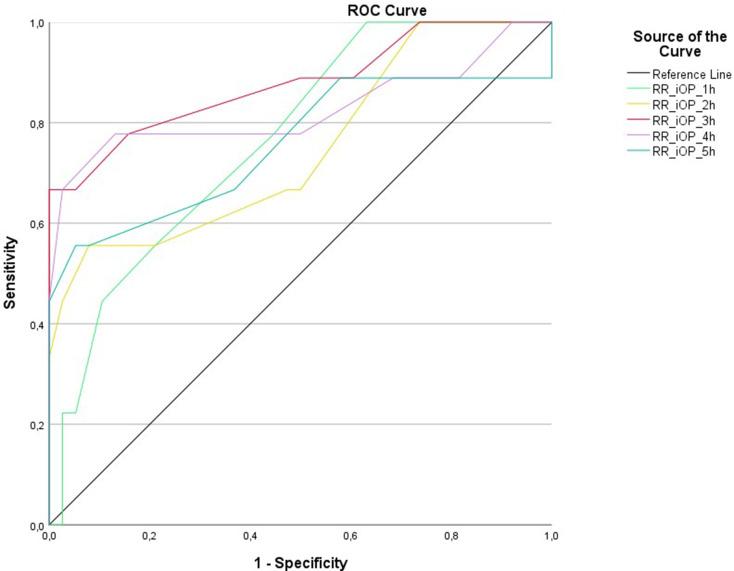
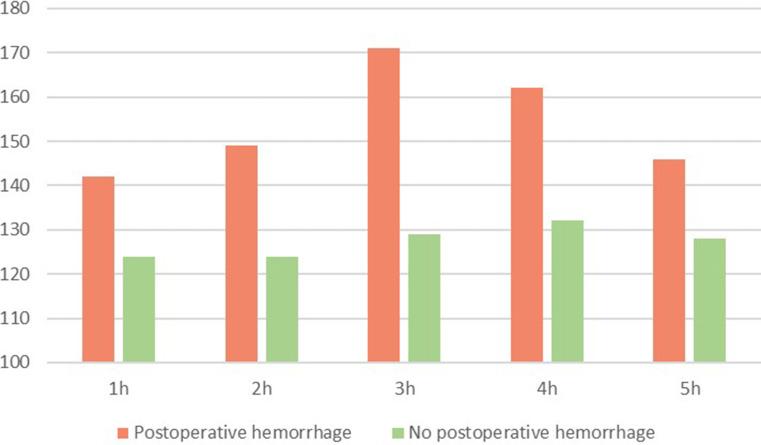
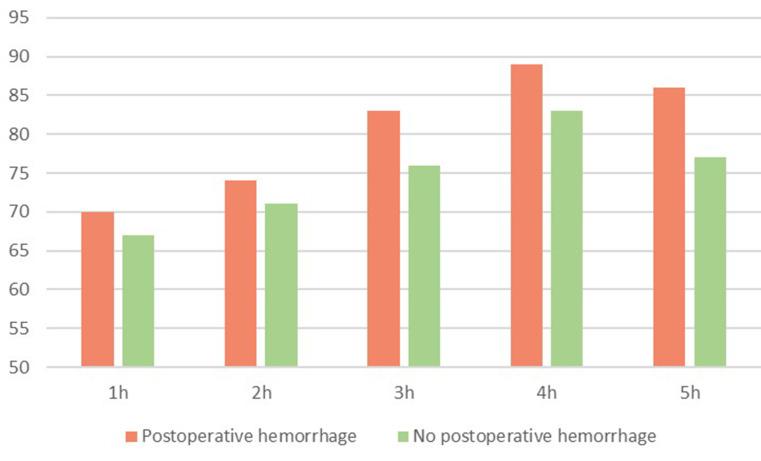
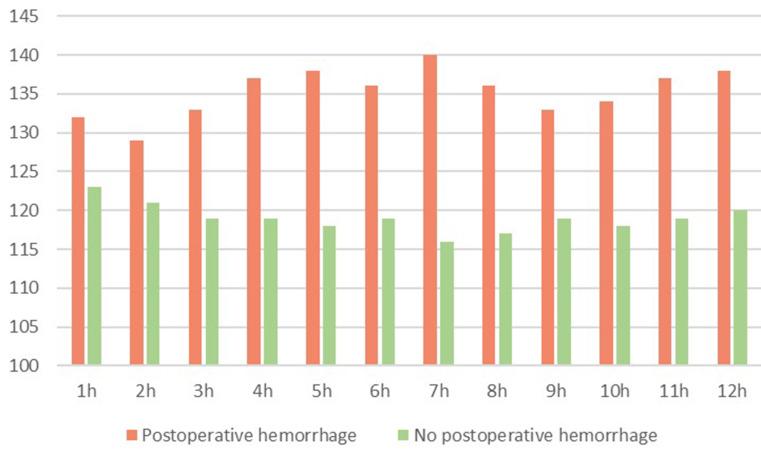
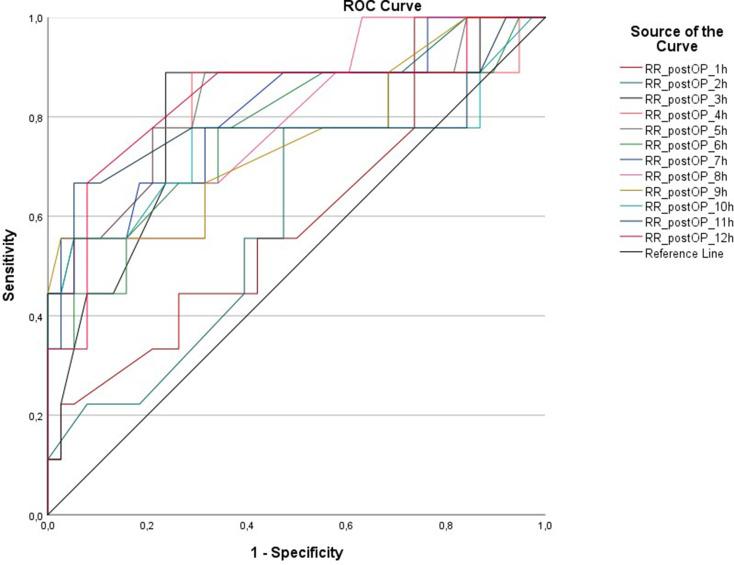
Postoperative hemorrhage can severely affect the patients' neurological outcome after awake craniotomy. Higher postoperative blood pressure can increase the risk of postoperative hemorrhage. The aim of this study was to investigate the role of postoperative blood pressure and other common radiological and epidemiological features with the incidence of postoperative hemorrhage. In this retrospective analysis, we included patients who underwent awake surgery at our institution. We assessed the blood pressure both intra- and postoperatively as well as the heart rate for the first 12 h. We compared a cohort with postoperative hemorrhage, who required further treatment (surgical revision or intravenous antihypertensive therapy), with a cohort with no postoperative hemorrhage. We included 48 patients with a median age of 39 years. 9 patients (19%) required further treatment due to postoperative hemorrhage, which was surgery in 2 cases and intensive blood pressure measurements in 7 cases. However, with early treatment, no significant difference in Performance scores at follow-up could be found. Patients with postoperative hemorrhage showed significantly higher postoperative systolic blood pressure during the hours 3-12 (p < 0.05) as well as intraoperatively throughout the procedure (p < 0.05). In ROC and Youden Test, a strong impact of systolic blood pressure over 140mmHg during the early postoperative course could be shown. Postoperative hemorrhage is a rare but possible complication in awake surgery glioma patients. To avoid postoperative hemorrhage, treating physicians should aim strictly on systolic blood pressure of under 140mmHg for the postoperative course.
术后出血可能严重影响清醒开颅术后患者的神经预后。较高的术后血压会增加术后出血的风险。本研究旨在探讨术后血压及其他常见影像学和流行病学特征与术后出血发生率的关系。在这项回顾性分析中,我们纳入了在我院接受清醒手术的患者。我们评估了术中及术后的血压和术后 12 小时内的心率。我们将术后出血需要进一步治疗(手术修正或静脉降压治疗)的患者与无术后出血的患者进行比较。我们纳入了 48 名中位年龄为 39 岁的患者。9 名患者(19%)因术后出血需要进一步治疗,其中 2 例为手术治疗,7 例为强化血压测量治疗。然而,经过早期治疗,在随访时的表现评分没有明显差异。术后出血患者在术后 3-12 小时的收缩压明显升高(p<0.05),术中整个手术过程中收缩压也明显升高(p<0.05)。在 ROC 和 Youden 测试中,术后早期收缩压超过 140mmHg 对术后出血有很强的影响。术后出血是清醒手术胶质瘤患者一种罕见但可能发生的并发症。为避免术后出血,治疗医生应严格将术后血压控制在 140mmHg 以下。
 Zotero 插件