
用于联合癌症治疗的三联疗法诊疗纳米制剂的出现及影响
Emergence and impact of theranostic-nanoformulation of triple therapeutics for combination cancer therapy.
作者信息
Rajora Amit Kumar, Ahire Eknath D, Rajora Manju, Singh Sukhvir, Bhattacharya Jaydeep, Zhang Hongbo
机构信息
NanoBiotechnology Lab School of Biotechnology Jawaharlal Nehru University New Delhi India.
Department of Pharmaceutics, Mumbai Educational Trust (MET), Institute of Pharmacy Affiliated to Savitribai Phule, Pune University Nashik Maharashtra India.
出版信息
Smart Med. 2024 Jan 30;3(1):e20230035. doi: 10.1002/SMMD.20230035. eCollection 2024 Feb.
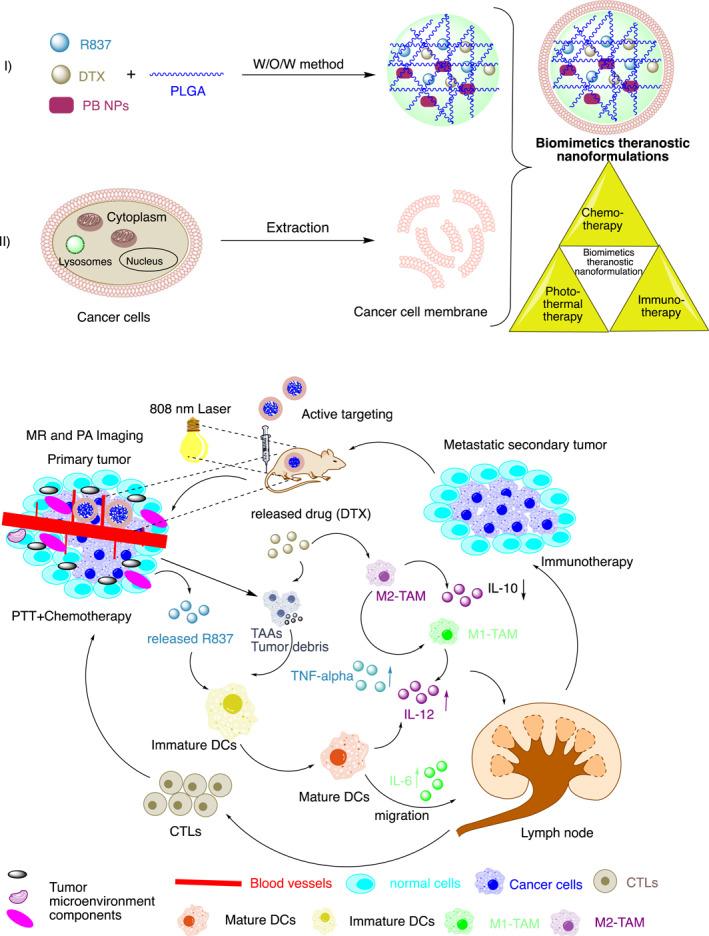
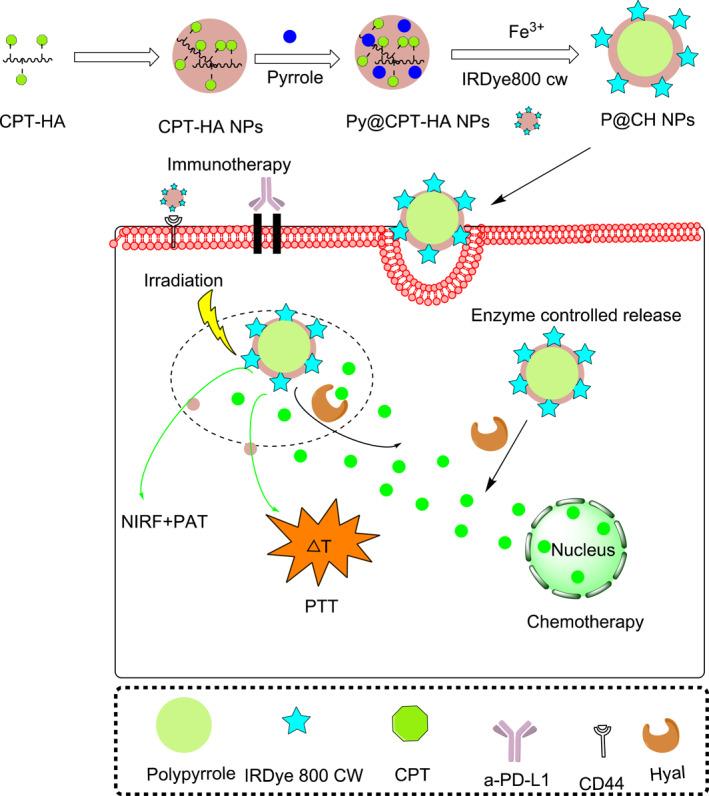
Cancer remains a major global health threat necessitating the multipronged approaches for its prevention and management. Traditional approaches in the form of chemotherapy, surgery, and radiotherapy are often encountered with poor patient outcomes evidenced by high mortality and morbidity, compelling the need for precision medicine for cancer patients to enable personalized and targeted cancer treatment. There has been an emergence of smart multimodal theranostic nanoformulation for triple combination cancer therapy in the last few years, which dramatically enhances the overall safety of the nanoformulation for in vivo and potential clinical applications with minimal toxicity. However, it is imperative to gain insight into the limitations of this system in terms of clinical translation, cost-effectiveness, accessibility, and multidisciplinary collaboration. This review paper aims to highlight and compare the impact of the recent theranostic nanoformulations of triple therapeutics in a single nanocarrier for effective management of cancer and provide a new dimension for diagnostic and treatment simultaneously.
癌症仍然是全球主要的健康威胁,需要采取多方面的方法来预防和管理。化疗、手术和放疗等传统方法常常导致患者预后不佳,表现为高死亡率和高发病率,这使得有必要为癌症患者提供精准医疗,以实现个性化和靶向性癌症治疗。在过去几年中,出现了用于三联癌症治疗的智能多模态诊疗纳米制剂,这极大地提高了纳米制剂在体内和潜在临床应用中的整体安全性,且毒性最小。然而,有必要深入了解该系统在临床转化、成本效益、可及性和多学科协作方面的局限性。这篇综述旨在突出和比较近期单一纳米载体中三联疗法的诊疗纳米制剂对有效管理癌症的影响,并同时为诊断和治疗提供新的维度。

 Zotero 插件