
双特异性和多特异性抗体的可开发性考虑因素。
Developability considerations for bispecific and multispecific antibodies.
机构信息
AbCellera Biologics Inc, Vancouver, BC, Canada.
VLE Therapeutics, Co, Dublin, Ireland.
出版信息
MAbs. 2024 Jan-Dec;16(1):2394229. doi: 10.1080/19420862.2024.2394229. Epub 2024 Aug 27.
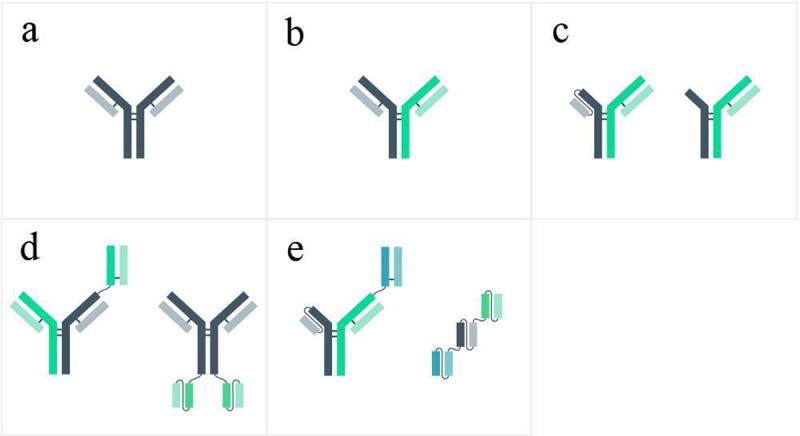
Bispecific antibodies (bsAb) and multispecific antibodies (msAb) encompass a diverse variety of formats that can concurrently bind multiple epitopes, unlocking mechanisms to address previously difficult-to-treat or incurable diseases. Early assessment of candidate developability enables demotion of antibodies with low potential and promotion of the most promising candidates for further development. Protein-based therapies have a stringent set of developability requirements in order to be competitive (e.g. high-concentration formulation, and long half-life) and their assessment requires a robust toolkit of methods, few of which are validated for interrogating bsAbs/msAbs. Important considerations when assessing the developability of bsAbs/msAbs include their molecular format, likelihood for immunogenicity, specificity, stability, and potential for high-volume production. Here, we summarize the critical aspects of developability assessment, and provide guidance on how to develop a comprehensive plan tailored to a given bsAb/msAb.
双特异性抗体 (bsAb) 和多特异性抗体 (msAb) 包含多种不同的形式,能够同时结合多个表位,为解决以前难以治疗或无法治愈的疾病提供了新的机制。早期评估候选药物的开发可行性,可以淘汰低潜力的抗体,并促进最有前途的候选药物进一步开发。为了具有竞争力,蛋白质疗法具有严格的开发可行性要求(例如高浓度制剂和长半衰期),并且需要使用一整套强大的方法进行评估,其中很少有方法经过验证可用于研究 bsAb/msAb。评估 bsAb/msAb 的开发可行性时需要考虑的重要因素包括其分子形式、免疫原性、特异性、稳定性和大规模生产的潜力。本文总结了开发可行性评估的关键方面,并就如何制定针对特定 bsAb/msAb 的全面计划提供了指导。
 Zotero 插件