
二维纳米材料在神经接口中的应用。
Applications of 2D Nanomaterials in Neural Interface.
机构信息
The Brain Cognition and Brain Disease Institute (BCBDI), Shenzhen Institutes of Advanced Technology, Chinese Academy of Sciences, Shenzhen 518055, China.
Guangdong Provincial Key Laboratory of Brain Connectome and Behavior, Shenzhen Institute of Advanced Technology, Chinese Academy of Sciences, Shenzhen 518055, China.
出版信息
Int J Mol Sci. 2024 Aug 7;25(16):8615. doi: 10.3390/ijms25168615.
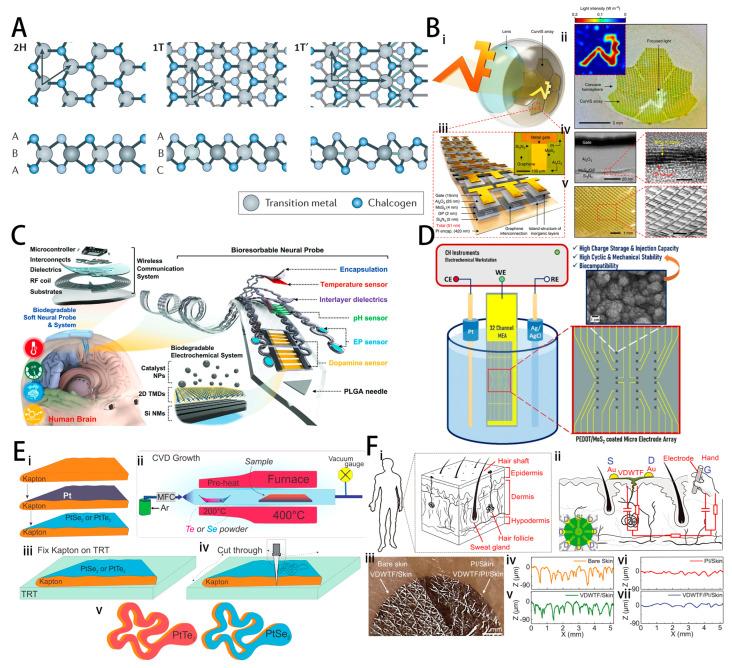
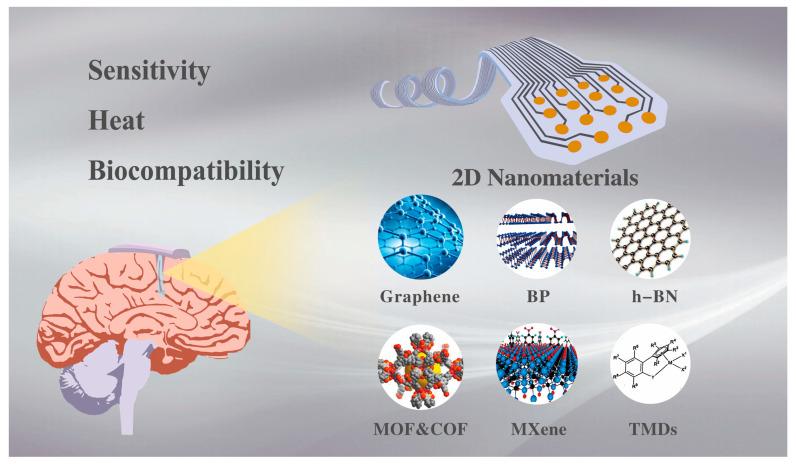
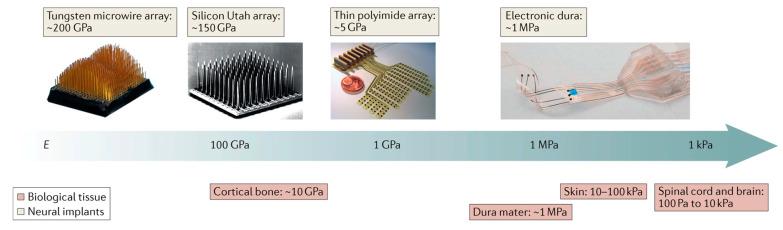
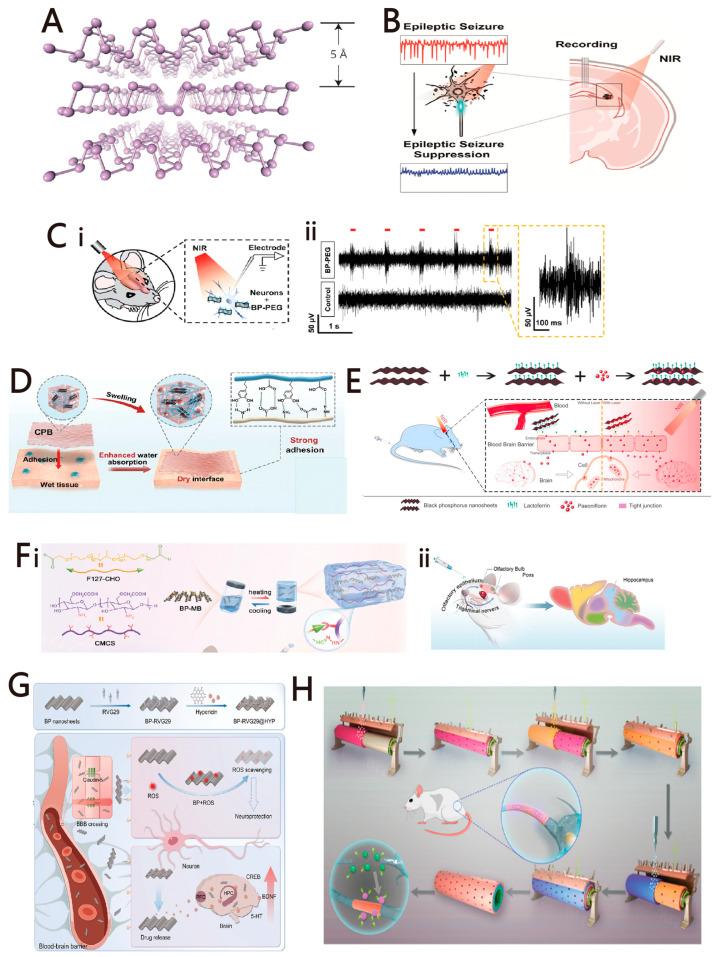
Neural interfaces are crucial conduits between neural tissues and external devices, enabling the recording and modulation of neural activity. However, with increasing demand, simple neural interfaces are no longer adequate to meet the requirements for precision, functionality, and safety. There are three main challenges in fabricating advanced neural interfaces: sensitivity, heat management, and biocompatibility. The electrical, chemical, and optical properties of 2D nanomaterials enhance the sensitivity of various types of neural interfaces, while the newly developed interfaces do not exhibit adverse reactions in terms of heat management and biocompatibility. Additionally, 2D nanomaterials can further improve the functionality of these interfaces, including magnetic resonance imaging (MRI) compatibility, stretchability, and drug delivery. In this review, we examine the recent applications of 2D nanomaterials in neural interfaces, focusing on their contributions to enhancing performance and functionality. Finally, we summarize the advantages and disadvantages of these nanomaterials, analyze the importance of biocompatibility testing for 2D nanomaterials, and propose that improving and developing composite material structures to enhance interface performance will continue to lead the forefront of this field.
神经接口是神经组织与外部设备之间的关键通道,能够实现神经活动的记录和调节。然而,随着需求的不断增加,简单的神经接口已经不能满足精度、功能和安全性的要求。制造先进的神经接口主要有三个挑战:灵敏度、热管理和生物兼容性。二维纳米材料的电学、化学和光学性质提高了各种类型神经接口的灵敏度,而新开发的接口在热管理和生物兼容性方面没有表现出不良反应。此外,二维纳米材料可以进一步提高这些接口的功能,包括磁共振成像(MRI)兼容性、拉伸性和药物输送。在这篇综述中,我们研究了二维纳米材料在神经接口中的最新应用,重点关注它们对提高性能和功能的贡献。最后,我们总结了这些纳米材料的优缺点,分析了二维纳米材料生物兼容性测试的重要性,并提出了改善和开发复合材料结构以提高接口性能将继续引领该领域的前沿。



 Zotero 插件