
二甲双胍溶酶体靶向:二甲双胍在神经退行性疾病中的再利用的新研究方向?
Metformin Lysosomal Targeting: A Novel Aspect to Be Investigated for Metformin Repurposing in Neurodegenerative Diseases?
机构信息
Department of Medical Biotechnology and Translational Medicine, Università degli Studi di Milano, LITA Segrate, 20054 Segrate, MI, Italy.
出版信息
Int J Mol Sci. 2024 Aug 15;25(16):8884. doi: 10.3390/ijms25168884.
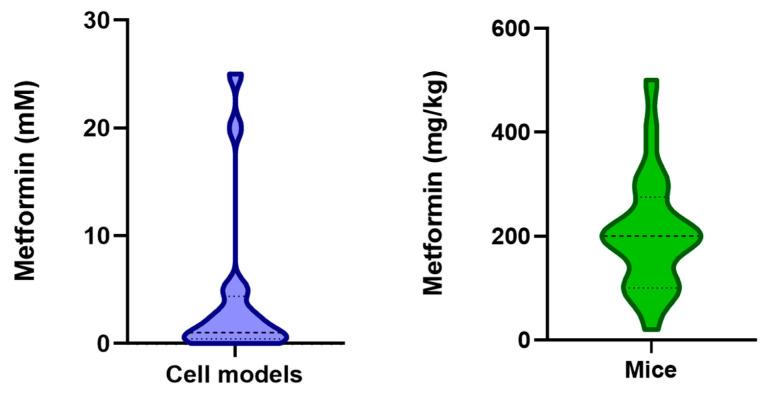
Metformin is a widely employed drug in type 2 diabetes. In addition to warranting good short- and long-term glycemic control, metformin displays many intriguing properties as protection against cardiovascular and neurodegenerative diseases, anti-tumorigenic and longevity promotion. In addition to being a low-cost drug, metformin is generally well tolerated. However, despite the enthusiastic drive to aliment these novel studies, many contradictory results suggest the importance of better elucidating the complexity of metformin action in different tissues/cells to establish its possible employment in neurodegenerative diseases. This review summarises recent data identifying lysosomal-dependent processes and lysosomal targets, such as endosomal Na/H exchangers, presenilin enhancer 2 (PEN2), the lysosomal pathway leading to AMP-activated protein kinase (AMPK) activation, and the transcription factor EB (TFEB), modulated by metformin. Lysosomal dysfunctions resulting in autophagic and lysosomal acidification and biogenesis impairment appear to be hallmarks of many inherited and acquired neurodegenerative diseases. Lysosomes are not yet seen as a sort of cellular dump but are crucial in determining key signalling paths and processes involved in the clearance of aggregated proteins. Thus, the possibility of pharmacologically modulating them deserves great interest. Despite the potentiality of metformin in this context, many additional important issues, such as dosing, should be addressed in the future.
二甲双胍是 2 型糖尿病中广泛应用的药物。除了能很好地控制短期和长期血糖外,二甲双胍还具有许多有趣的特性,如预防心血管和神经退行性疾病、抗肿瘤和促进长寿。二甲双胍不仅是一种低成本药物,而且通常耐受性良好。然而,尽管人们热衷于开展这些新的研究,但许多相互矛盾的结果表明,有必要更好地阐明二甲双胍在不同组织/细胞中的作用复杂性,以确定其在神经退行性疾病中的可能应用。这篇综述总结了最近的数据,这些数据确定了溶酶体依赖性过程和溶酶体靶点,如内体 Na+/H+交换器、早老素增强子 2 (PEN2)、导致 AMP 激活蛋白激酶 (AMPK) 激活的溶酶体途径以及转录因子 EB (TFEB),这些都被二甲双胍调节。溶酶体功能障碍导致自噬和溶酶体酸化以及溶酶体生物发生受损,似乎是许多遗传性和获得性神经退行性疾病的标志。溶酶体尚未被视为一种细胞垃圾场,但在确定涉及清除聚集蛋白的关键信号通路和过程中至关重要。因此,药理调节它们的可能性值得极大关注。尽管二甲双胍在这方面具有潜力,但未来还需要解决许多其他重要问题,如剂量。

 Zotero 插件