
用于多功能光/电化学及能源相关应用的水凝胶和气凝胶
Hydrogels and Aerogels for Versatile Photo-/Electro-Chemical and Energy-Related Applications.
作者信息
Sun Jiana, Luo Taigang, Zhao Mengmeng, Zhang Lin, Zhao Zhengping, Yu Tao, Yan Yibo
机构信息
Frontiers Science Center for Flexible Electronics (FSCFE), Xi'an Institute of Flexible Electronics (IFE), Xi'an Institute of Biomedical Materials & Engineering (IBME), Northwestern Polytechnical University, 127 West Youyi Road, Xi'an 710072, China.
Zhijiang College, Zhejiang University of Technology, Hangzhou 310014, China.
出版信息
Molecules. 2024 Aug 16;29(16):3883. doi: 10.3390/molecules29163883.
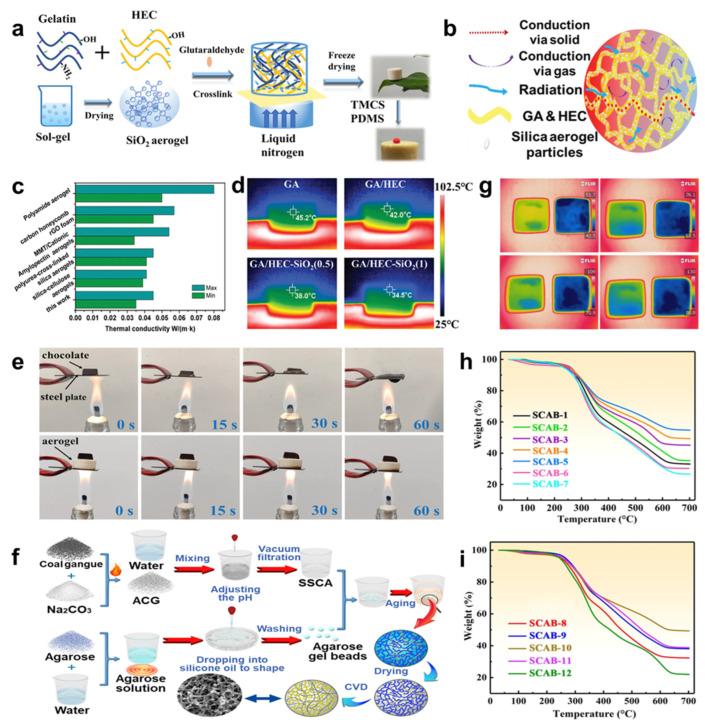
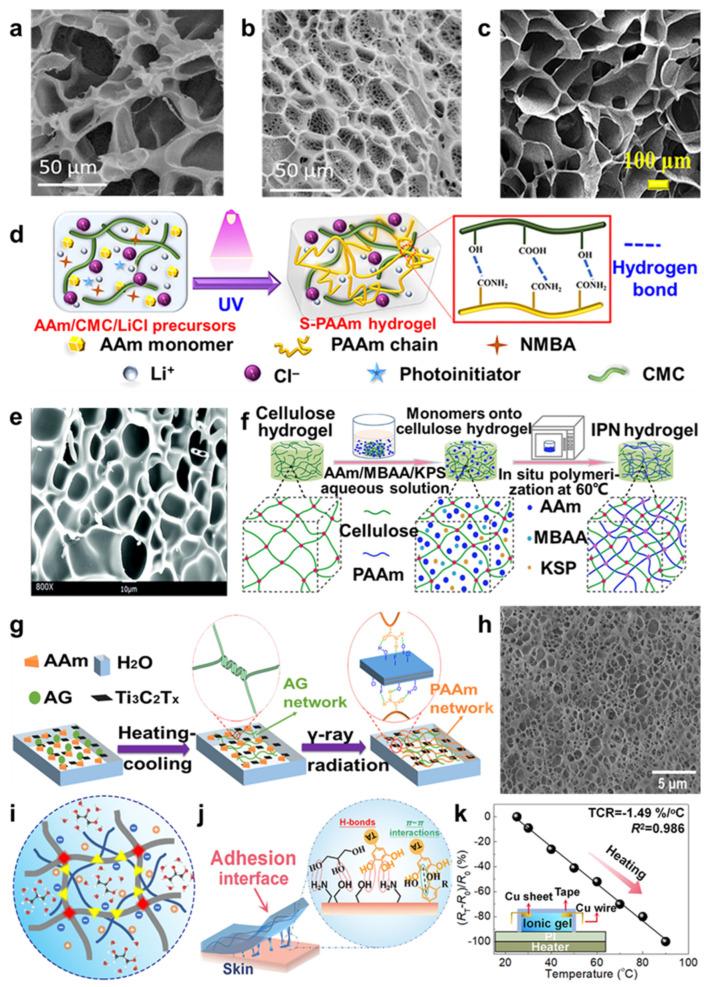
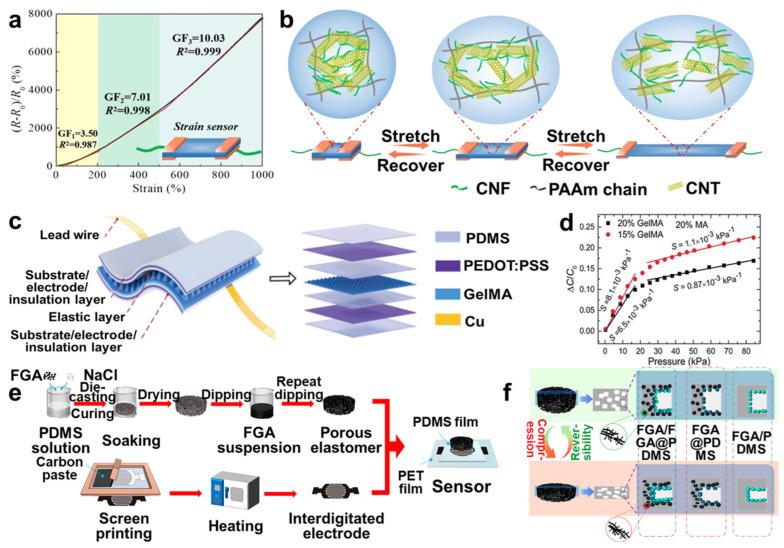
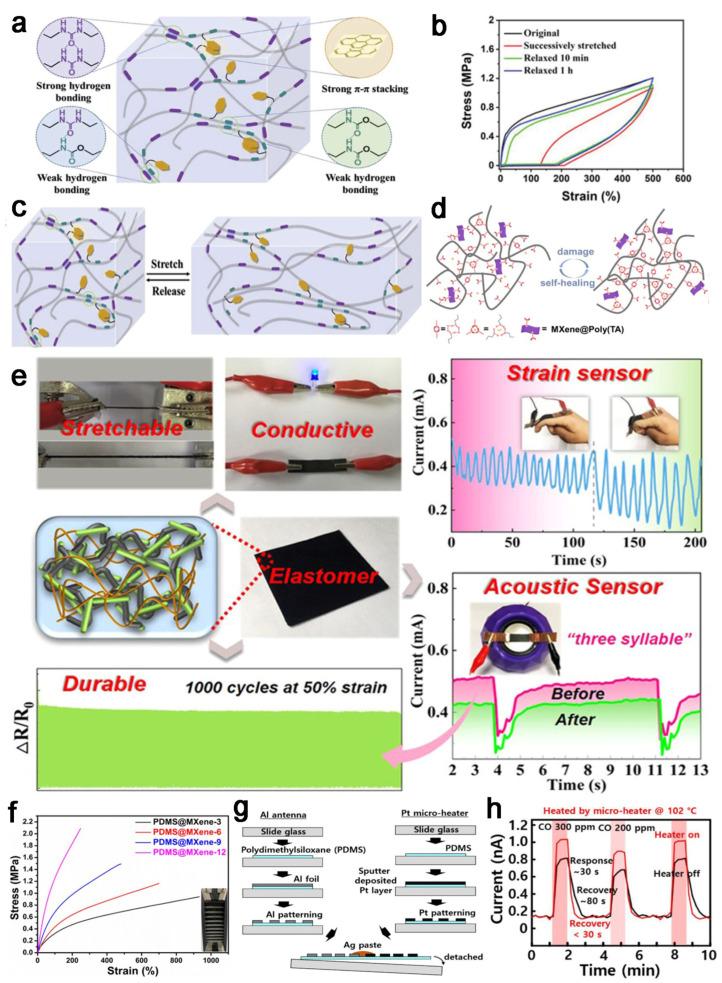
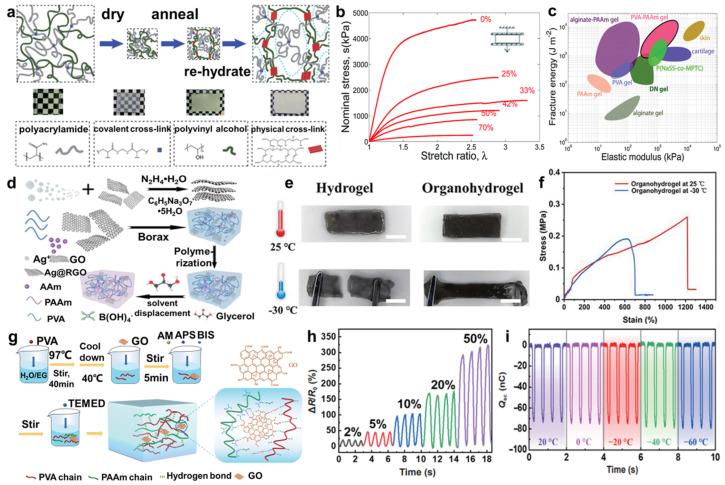
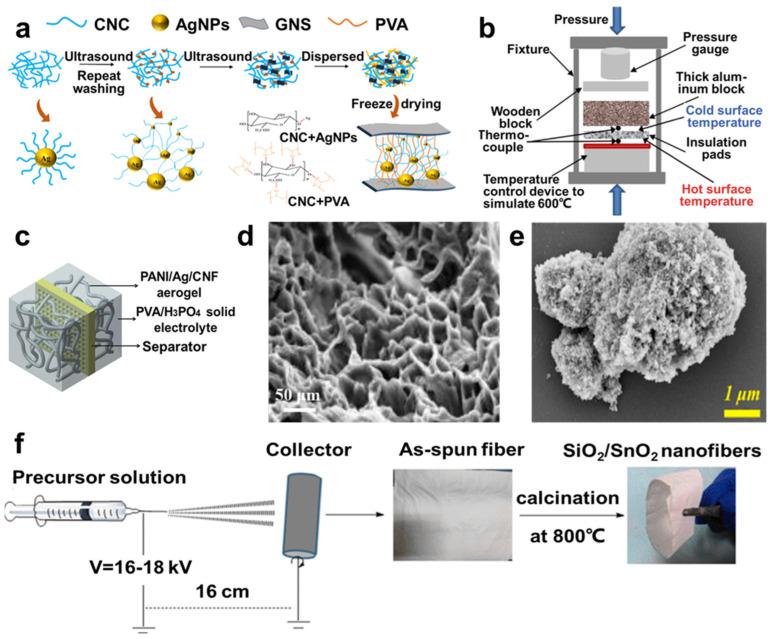
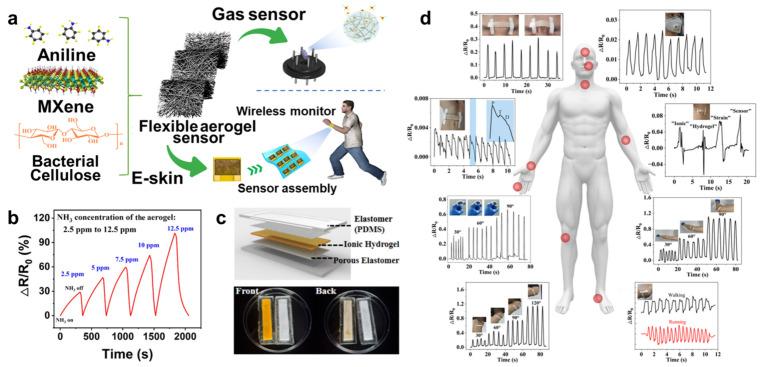
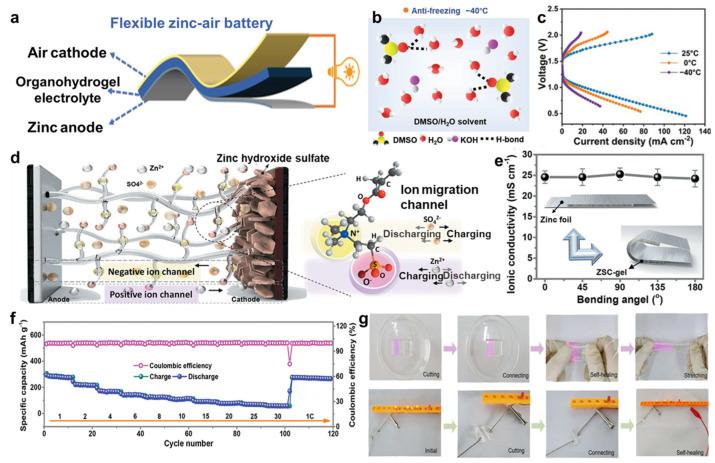
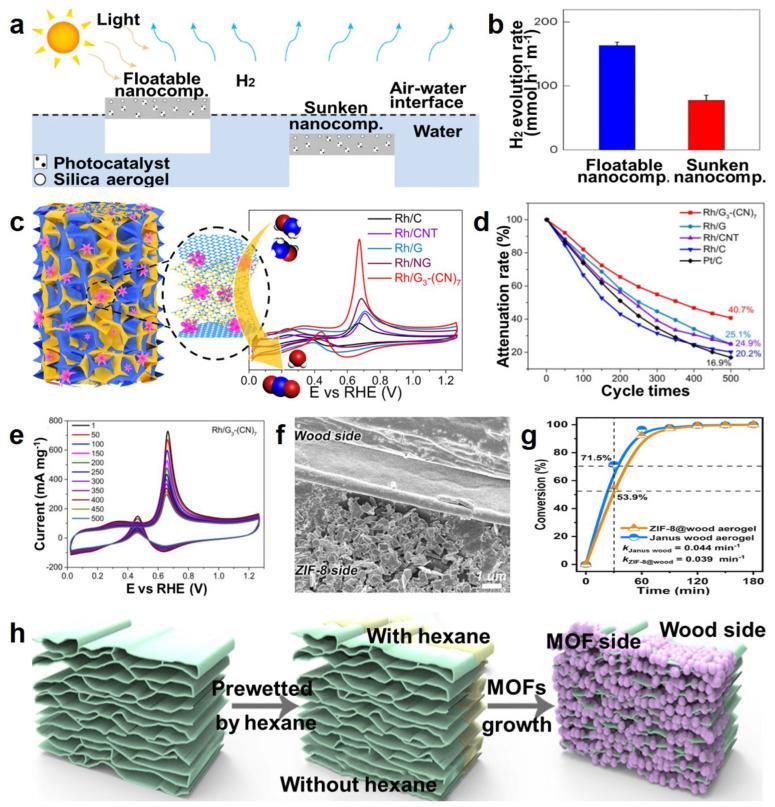
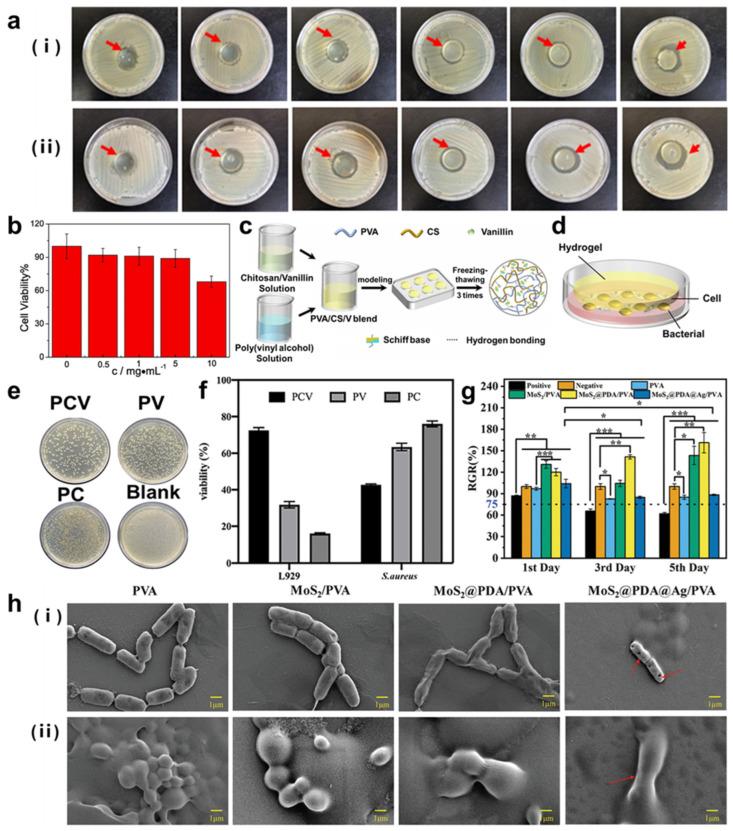
The development of photo-/electro-chemical and flexible electronics has stimulated research in catalysis, informatics, biomedicine, energy conversion, and storage applications. Gels (e.g., aerogel, hydrogel) comprise a range of polymers with three-dimensional (3D) network structures, where hydrophilic polyacrylamide, polyvinyl alcohol, copolymers, and hydroxides are the most widely studied for hydrogels, whereas 3D graphene, carbon, organic, and inorganic networks are widely studied for aerogels. Encapsulation of functional species with hydrogel building blocks can modify the optoelectronic, physicochemical, and mechanical properties. In addition, aerogels are a set of nanoporous or microporous 3D networks that bridge the macro- and nano-world. Different architectures modulate properties and have been adopted as a backbone substrate, enriching active sites and surface areas for photo-/electro-chemical energy conversion and storage applications. Fabrication via sol-gel processes, module assembly, and template routes have responded to professionalized features and enhanced performance. This review presents the most studied hydrogel materials, the classification of aerogel materials, and their applications in flexible sensors, batteries, supercapacitors, catalysis, biomedical, thermal insulation, etc.
光电化学与柔性电子学的发展推动了催化、信息学、生物医学、能量转换及存储应用等领域的研究。凝胶(如气凝胶、水凝胶)由一系列具有三维(3D)网络结构的聚合物组成,其中亲水性聚丙烯酰胺、聚乙烯醇、共聚物和氢氧化物是水凝胶研究最为广泛的,而3D石墨烯、碳、有机和无机网络则是气凝胶研究最为广泛的。用水凝胶构建块封装功能物种可以改变光电、物理化学和机械性能。此外,气凝胶是一组连接宏观和纳米世界的纳米多孔或微孔3D网络。不同的结构调节性能,并已被用作骨架基底,丰富了用于光电化学能量转换和存储应用的活性位点和表面积。通过溶胶 - 凝胶工艺、模块组装和模板路线进行制造,满足了专业化特征并提高了性能。本文综述了研究最多的水凝胶材料、气凝胶材料的分类及其在柔性传感器、电池、超级电容器、催化、生物医学、隔热等方面的应用。





 Zotero 插件