
膳食类黄酮:减轻空气污染对心血管的危害。
Dietary Flavonoids: Mitigating Air Pollution's Cardiovascular Risks.
机构信息
Research Group in Social and Nutritional Epidemiology, Pharmacoepidemiology and Public Health, Department of Preventive Medicine and Public Health, Food Sciences, Toxicology and Forensic Medicine, Faculty of Pharmacy and Food Sciences, Universitat de València, Av. Vicent Andrés Estelles s/n, 46100 Burjassot, Spain.
Biomedical Research Center in Epidemiology and Public Health Network (CIBERESP), Carlos III Health Institute, Av. Monforte de Lemos 3-5 Pabellón 11 Planta 0, 28029 Madrid, Spain.
出版信息
Nutrients. 2024 Aug 10;16(16):2647. doi: 10.3390/nu16162647.
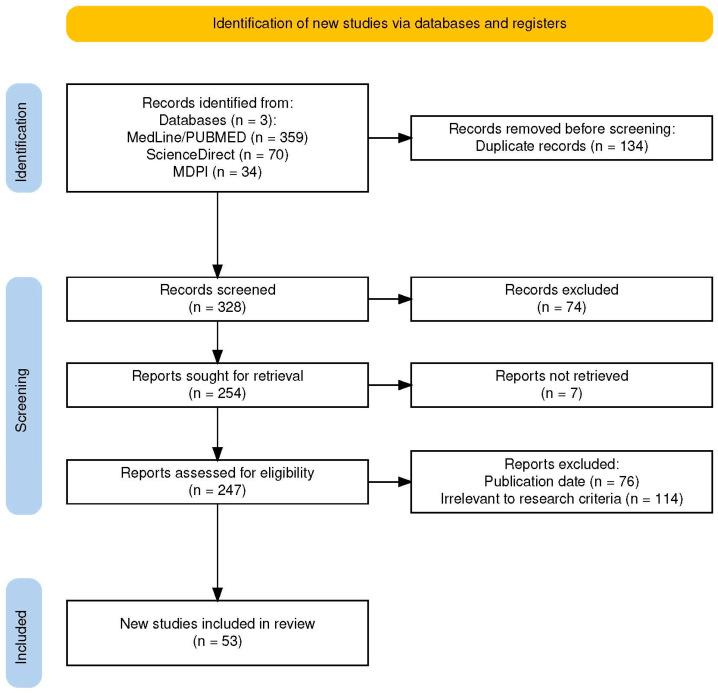
Air pollution significantly impacts cardiovascular health, yet pollution reduction strategies in cardiovascular disease prevention remain limited. Dietary flavonoids show promise in protecting cardiovascular health, but their potential to mitigate air-pollution-induced risks is unexplored. This study investigates this research gap. Following PRISMA-ScR guidelines, literature from 2014-2024 was searched across MedLine/PubMed, ScienceDirect, and MDPI databases. Of 463 identified studies, 53 were eligible for analysis based on PICO criteria. Findings revealed significant impacts of air pollution on cardiovascular health, including increased disease risks and mortality. Flavonoid intake demonstrated protective effects against these risks. Flavonoid mechanisms include improved endothelial function, antioxidant and anti-inflammatory effects, blood pressure regulation, antiplatelet effects, cardioprotection, and enhanced lipid and glucose metabolism. Higher flavonoid intake was consistently associated with reduced cardiovascular risks. While reducing pollution remains crucial, promoting flavonoid-rich diets is a promising complementary strategy. Public health initiatives should raise awareness about these benefits. Further research on direct interactions between flavonoid intake and air pollution exposure is needed. Current evidence supports integrating dietary interventions into broader strategies to reduce air pollution's cardiovascular impacts.
空气污染对心血管健康有重大影响,但在预防心血管疾病方面的减少污染策略仍有限制。膳食类黄酮在保护心血管健康方面显示出潜力,但它们减轻空气污染引起的风险的潜力尚未得到探索。本研究旨在探讨这一研究空白。本研究按照 PRISMA-ScR 指南,在 MedLine/PubMed、ScienceDirect 和 MDPI 数据库中检索了 2014 年至 2024 年的文献。在 463 项已确定的研究中,根据 PICO 标准,有 53 项符合分析条件。研究结果表明,空气污染对心血管健康有重大影响,包括增加疾病风险和死亡率。类黄酮的摄入对这些风险有保护作用。类黄酮的作用机制包括改善内皮功能、抗氧化和抗炎作用、调节血压、抗血小板作用、心脏保护作用以及改善脂质和葡萄糖代谢。较高的类黄酮摄入量与降低心血管风险密切相关。虽然减少污染仍然至关重要,但促进富含类黄酮的饮食是一种有前途的补充策略。公共卫生倡议应提高人们对这些益处的认识。还需要进一步研究类黄酮摄入与空气污染暴露之间的直接相互作用。目前的证据支持将饮食干预纳入减少空气污染对心血管影响的更广泛策略中。

 Zotero 插件