
与常用抗骨质疏松药物相比,罗莫佐单抗在绝经后骨质疏松症中的心血管安全性:一项随机对照试验的系统评价和网络荟萃分析
Cardiovascular Safety of Romosozumab Compared to Commonly Used Anti-osteoporosis Medications in Postmenopausal Osteoporosis: A Systematic Review and Network Meta-analysis of Randomized Controlled Trials.
作者信息
Cheng Shih-Hao, Chu William, Chou Wen-Hsiang, Chu Woei-Chyn, Kang Yi-No
机构信息
Department of Biomedical Engineering, National Yang-Ming Chiao-Tung University, Taipei, Taiwan.
Department of Orthopedics, Cheng Hsin General Hospital, Taipei, Taiwan.
出版信息
Drug Saf. 2025 Jan;48(1):7-23. doi: 10.1007/s40264-024-01475-9. Epub 2024 Sep 3.
INTRODUCTION
The aim of this study was to investigate the cardiovascular safety of romosozumab in postmenopausal women with osteoporosis. Romosozumab, a monoclonal antibody targeting sclerostin, has been shown to increase bone mineral density and reduce the risk of osteoporotic fractures. However, in previous studies, romosozumab therapy was identified as a potential risk factor for cardiovascular events, particularly in patients with predisposing cardiovascular disease.
METHODS
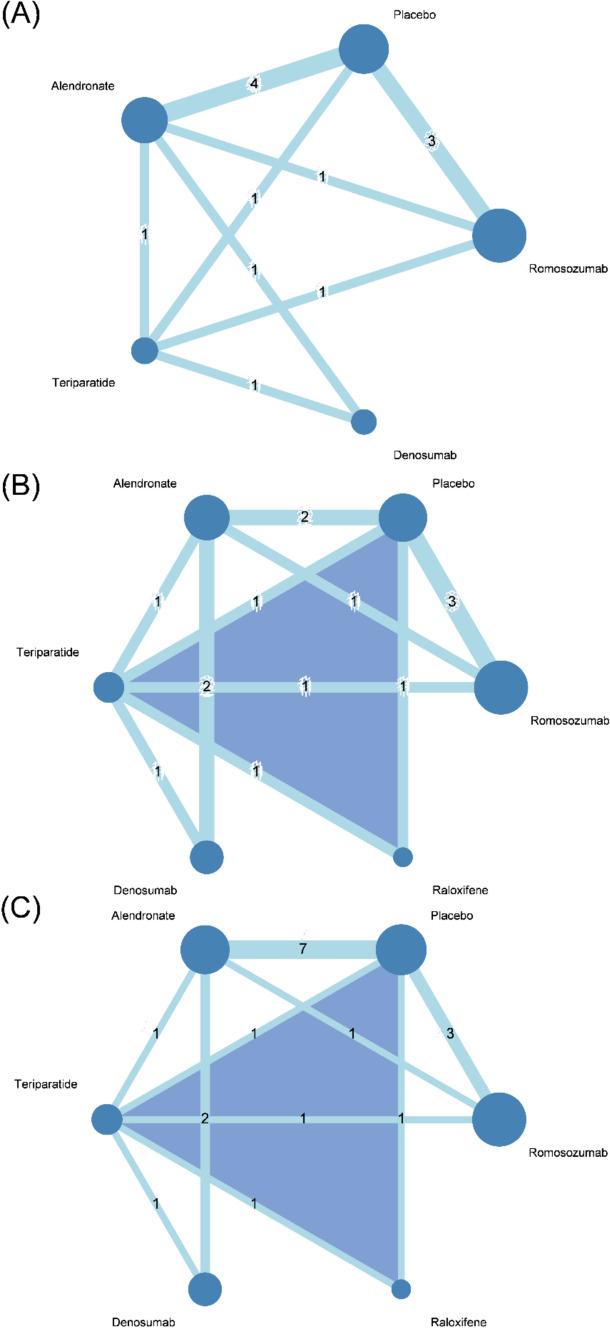
A systematic literature search was performed in the Cochrane Library, Embase, PubMed, and Web of Science databases to identify randomized controlled trials (RCTs) comparing the safety and efficacy of romosozumab versus alendronate, teriparatide, denosumab, or placebo in postmenopausal women with osteoporosis. Contrast-based network meta-analysis was performed using a random-effects model. The pooled estimates are presented as risk ratios with 95% confidence intervals.
RESULTS
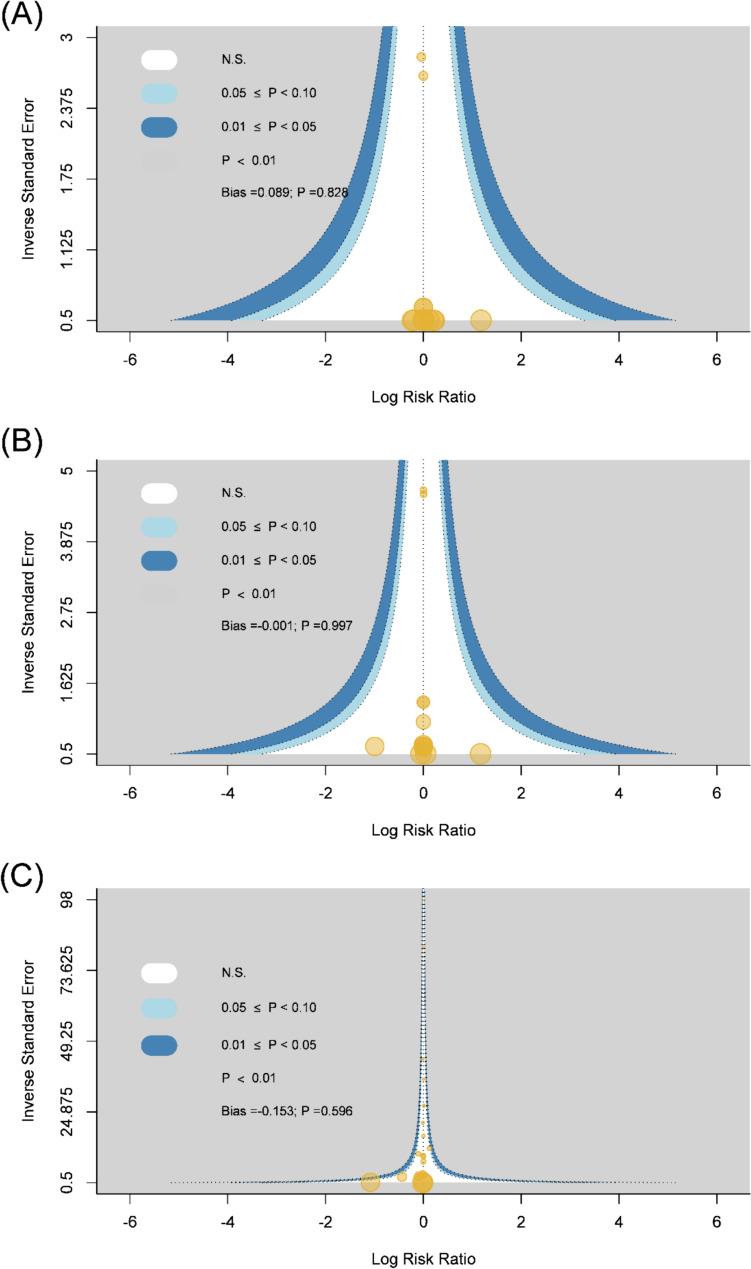
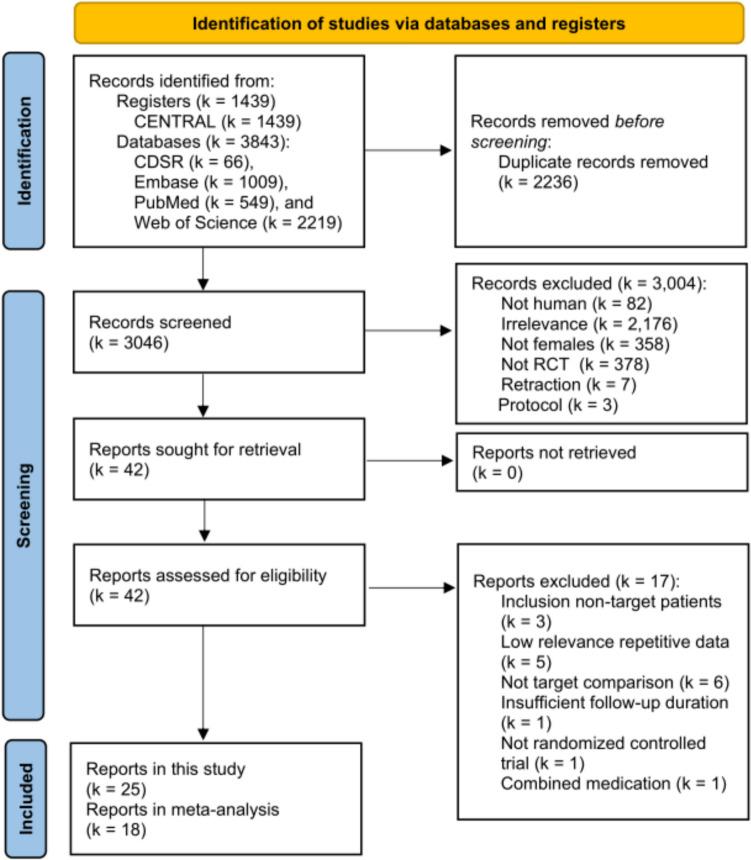
Of the 5282 articles retrieved, 25 RCTs were included in this review (n = 24,942), and 18 randomized controlled trials (n = 16,777) were included in the network meta-analysis. The results indicated no significant differences in cardiovascular mortality rate between romosozumab and placebo. Regarding the risk of major cardiovascular events, no significant differences were found in the direct evidence or the network meta-analysis with placebo as the reference.
CONCLUSION
Romosozumab might be a safe option for treating postmenopausal women with osteoporosis. The cardiovascular concerns associated with this treatment seem less significant than previously suggested, although additional real-world data are required to confirm this conclusion.
引言
本研究旨在调查罗莫佐单抗在绝经后骨质疏松症女性中的心血管安全性。罗莫佐单抗是一种靶向硬化蛋白的单克隆抗体,已被证明可增加骨密度并降低骨质疏松性骨折的风险。然而,在先前的研究中,罗莫佐单抗治疗被确定为心血管事件的潜在危险因素,尤其是在有心血管疾病易患因素的患者中。
方法
在Cochrane图书馆、Embase、PubMed和Web of Science数据库中进行了系统的文献检索,以确定比较罗莫佐单抗与阿仑膦酸盐、特立帕肽、地诺单抗或安慰剂在绝经后骨质疏松症女性中的安全性和有效性的随机对照试验(RCT)。使用随机效应模型进行基于对比的网络荟萃分析。汇总估计值以风险比及95%置信区间表示。
结果
在检索到的5282篇文章中,本综述纳入了25项RCT(n = 24942),网络荟萃分析纳入了18项随机对照试验(n = 16777)。结果表明,罗莫佐单抗与安慰剂之间的心血管死亡率无显著差异。关于主要心血管事件的风险,在直接证据或以安慰剂为参照的网络荟萃分析中均未发现显著差异。
结论
罗莫佐单抗可能是治疗绝经后骨质疏松症女性的安全选择。尽管需要更多实际数据来证实这一结论,但与该治疗相关的心血管问题似乎没有此前认为的那么严重。

 Zotero 插件