
靶向 EphA2 通路:这可能是骨肉瘤的治疗途径?
Targeting the EphA2 pathway: could it be the way for bone sarcomas?
机构信息
Sarcoma Unit, Candiolo Cancer Institute, FPO-IRCCS, 10060, Candiolo, TO, Italy.
Department of Oncology, University of Turin, 10043, Orbassano, TO, Italy.
出版信息
Cell Commun Signal. 2024 Sep 9;22(1):433. doi: 10.1186/s12964-024-01811-7.
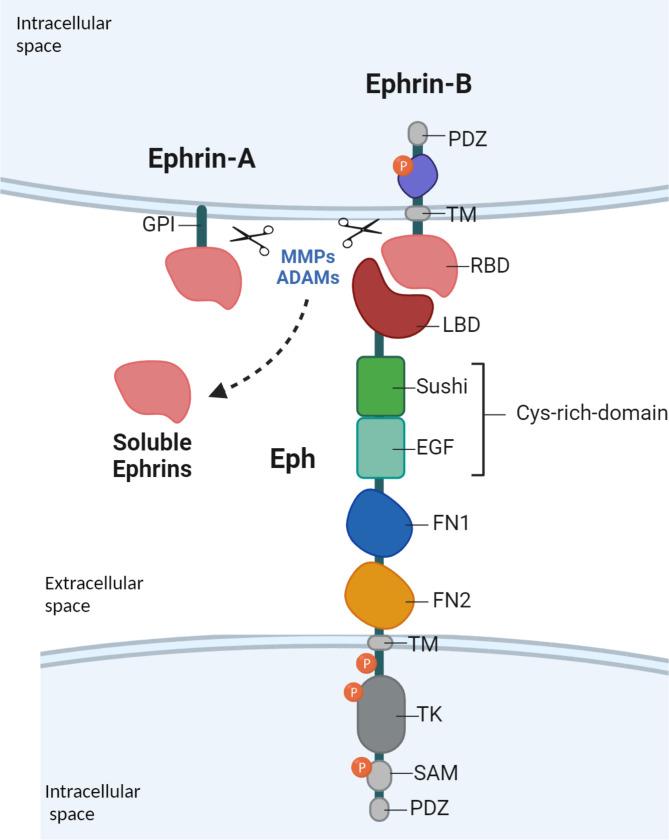
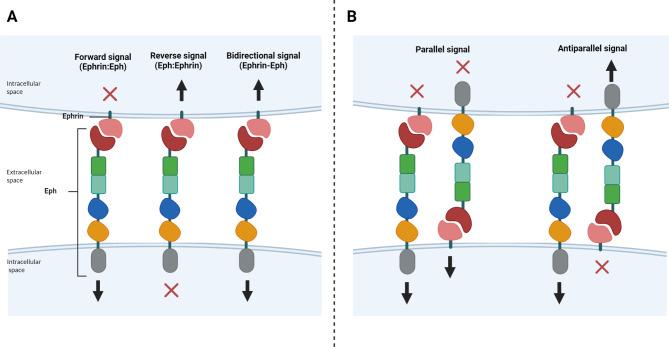
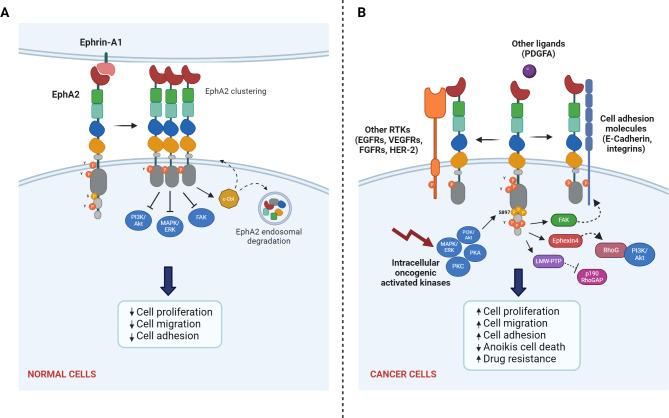
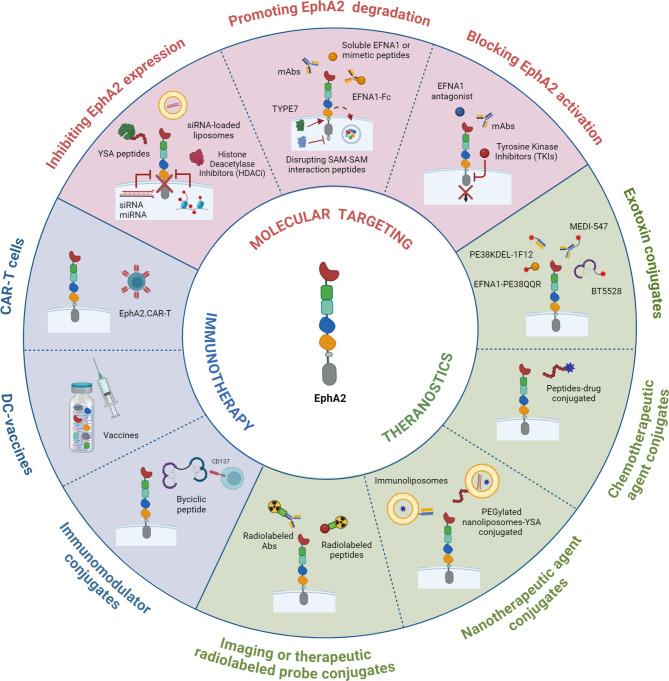
Bone sarcomas are malignant tumors of mesenchymal origin. Complete surgical resection is the cornerstone of multidisciplinary treatment. However, advanced, unresectable forms remain incurable. A crucial step towards addressing this challenge involves comprehending the molecular mechanisms underpinning tumor progression and metastasis, laying the groundwork for innovative precision medicine-based interventions. We previously showed that tyrosine kinase receptor Ephrin Type-A Receptor 2 (EphA2) is overexpressed in bone sarcomas. EphA2 is a key oncofetal protein implicated in metastasis, self-renewal, and chemoresistance. Molecular, genetic, biochemical, and pharmacological approaches have been developed to target EphA2 and its signaling pathway aiming to interfere with its tumor-promoting effects or as a carrier for drug delivery. This review synthesizes the main functions of EphA2 and their relevance in bone sarcomas, providing strategies devised to leverage this receptor for diagnostic and therapeutic purposes, with a focus on its applicability in the three most common bone sarcoma histotypes: osteosarcoma, chondrosarcoma, and Ewing sarcoma.
骨肿瘤是间充质来源的恶性肿瘤。完整的手术切除是多学科治疗的基石。然而,晚期不可切除的形式仍然无法治愈。解决这一挑战的关键步骤包括理解肿瘤进展和转移的分子机制,为创新的基于精准医学的干预措施奠定基础。我们之前曾表明,酪氨酸激酶受体 Ephrin Type-A Receptor 2(EphA2)在骨肿瘤中过度表达。EphA2 是一种关键的癌胚蛋白,与转移、自我更新和化疗耐药有关。已经开发出针对 EphA2 及其信号通路的分子、遗传、生化和药理学方法,旨在干扰其促进肿瘤的作用或作为药物递送的载体。本综述综合了 EphA2 的主要功能及其在骨肿瘤中的相关性,提供了为诊断和治疗目的利用该受体的策略,重点是其在三种最常见的骨肉瘤组织类型中的适用性:骨肉瘤、软骨肉瘤和尤文肉瘤。

 Zotero 插件