
老年患者初次全关节置换术后谵妄的发生率及相关因素:系统评价和荟萃分析。
Incidence and associated factors of delirium after primary total joint arthroplasty in elderly patients: A systematic review and meta-analysis.
机构信息
Nursing Department, Cangzhou People's Hospital, Cangzhou, Hebei, People's Republic of China.
Hebei Medical University, Shijiazhuang, Hebei, People's Republic of China.
出版信息
Medicine (Baltimore). 2024 May 31;103(22):e38395. doi: 10.1097/MD.0000000000038395.
BACKGROUND
A total of 1.5% to 20.2% of total joint arthroplasty patients experience delirium. Until now, no formal systematic review or meta-analysis was performed to summarize the risk factors of delirium after primary total joint arthroplasty (TJA).
METHODS
A comprehensive search encompassing Medline, Embase, and the Cochrane central database was conducted, incorporating studies available up to June 2023. We systematically reviewed research on the risk factors contributing to delirium following TJA in elderly patients, without language restrictions. The methodological quality of the included studies was evaluated using the Newcastle-Ottawa Scale. Data synthesis through pooling and a meta-analysis were performed to analyze the findings.
RESULTS
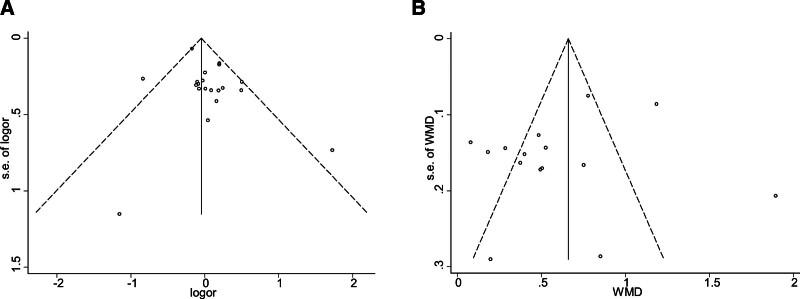
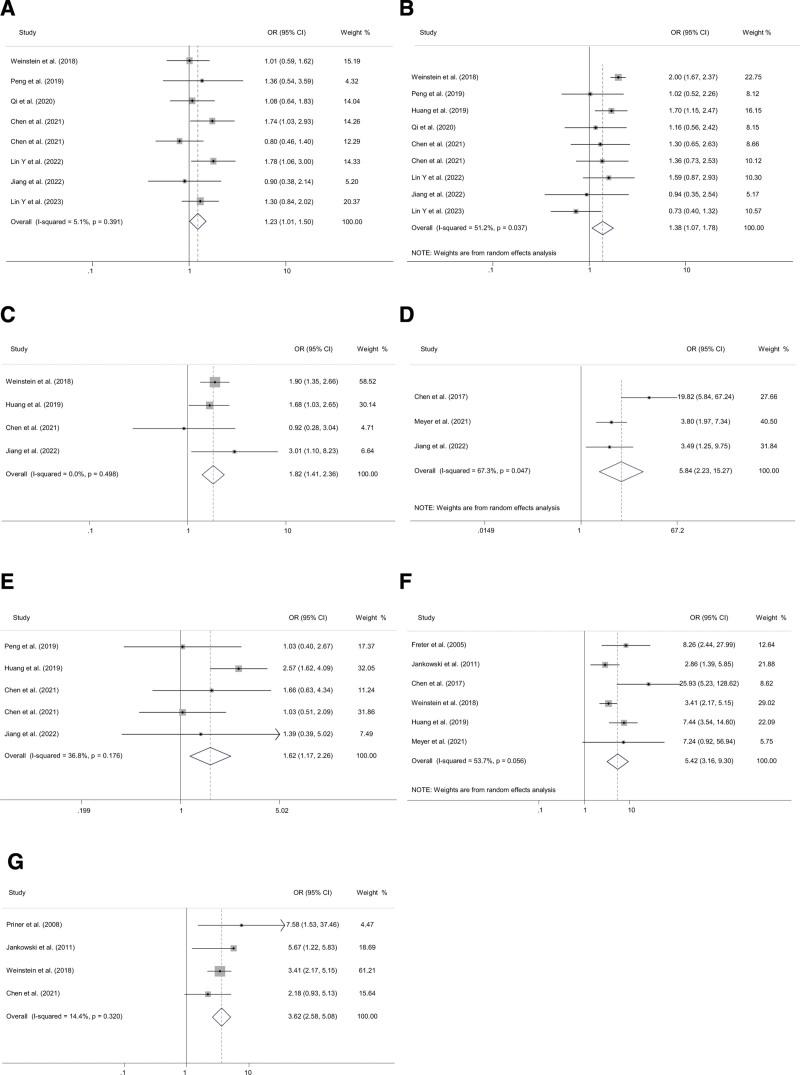
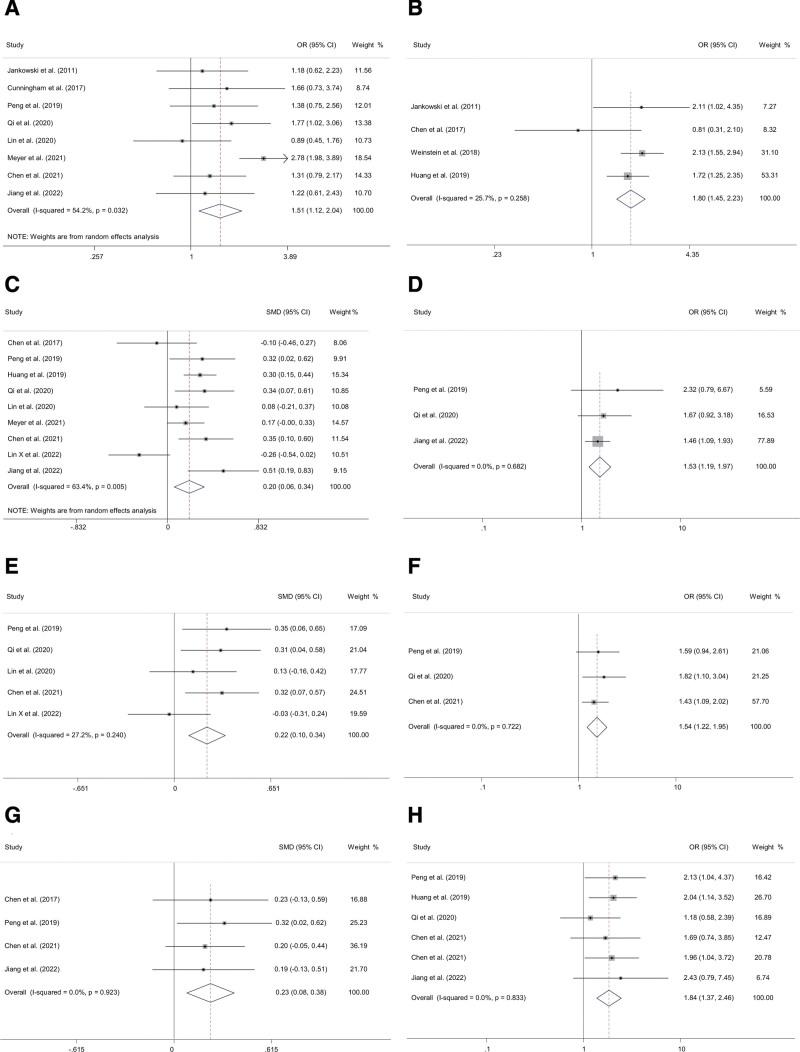
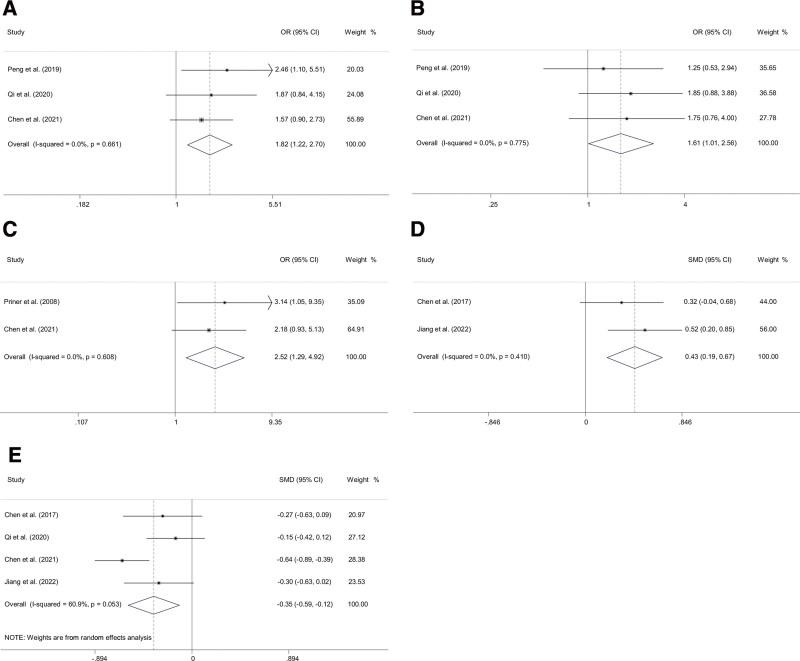
A total of 23 studies altogether included 71,095 patients with primary TJA, 2142 cases of delirium occurred after surgery, suggesting the accumulated incidence of 3.0%. The results indicated that age, current smoker, heavy drinker, mini-mental state examination score, hypertension, diabetes mellitus, chronic kidney disease, history of stroke, coronary arterial disease, dementia, history of psychiatric illness, American Society of Anesthesiologists physical status III-IV, general anesthesia, anesthesia time, operative time, intraoperative blood loss, blood transfusion, β-blockers, ACEI drugs, use of psychotropic drugs, preoperative C-reactive protein level, and preoperative albumin level were significantly associated with postoperative delirium after primary TJA.
CONCLUSIONS
Related prophylaxis strategies should be implemented in the elderly involved with above-mentioned risk factors to prevent delirium after primary TJA.
背景
在全膝关节置换术和全髋关节置换术患者中,有 1.5%至 20.2%会出现术后谵妄。迄今为止,尚无正式的系统评价或荟萃分析来总结初次全关节置换术后(TJA)发生谵妄的危险因素。
方法
我们全面检索了 Medline、Embase 和 Cochrane 中央数据库,纳入了截至 2023 年 6 月的研究。我们系统地回顾了关于老年 TJA 患者术后谵妄危险因素的研究,不限制语言。使用纽卡斯尔-渥太华量表评估纳入研究的方法学质量。通过汇总和荟萃分析对数据进行综合分析。
结果
共纳入 23 项研究,总计 71095 例初次 TJA 患者,术后发生谵妄 2142 例,累积发生率为 3.0%。结果表明,年龄、现吸烟者、大量饮酒者、简易精神状态检查评分、高血压、糖尿病、慢性肾脏病、中风史、冠状动脉疾病、痴呆、精神疾病史、美国麻醉医师协会身体状况 III-IV 级、全身麻醉、麻醉时间、手术时间、术中失血量、输血、β受体阻滞剂、血管紧张素转换酶抑制剂药物、使用精神药物、术前 C 反应蛋白水平和术前白蛋白水平与初次 TJA 后术后谵妄显著相关。
结论
对于存在上述危险因素的老年患者,应采取相关的预防策略,以预防初次 TJA 后发生谵妄。


 Zotero 插件