
线粒体可塑性和氧化应激下人癌症中的葡萄糖代谢改变——从慢性炎症和中性粒细胞胞外陷阱 (NETs) 的角度来看。
Mitochondrial Plasticity and Glucose Metabolic Alterations in Human Cancer under Oxidative Stress-From Viewpoints of Chronic Inflammation and Neutrophil Extracellular Traps (NETs).
机构信息
Division of Allergy, Immunology & Rheumatology, Department of Internal Medicine, Mackay Memorial Hospital, Taipei 104, Taiwan.
Department of Medicine, Mackay Medical College, New Taipei City 252, Taiwan.
出版信息
Int J Mol Sci. 2024 Aug 30;25(17):9458. doi: 10.3390/ijms25179458.
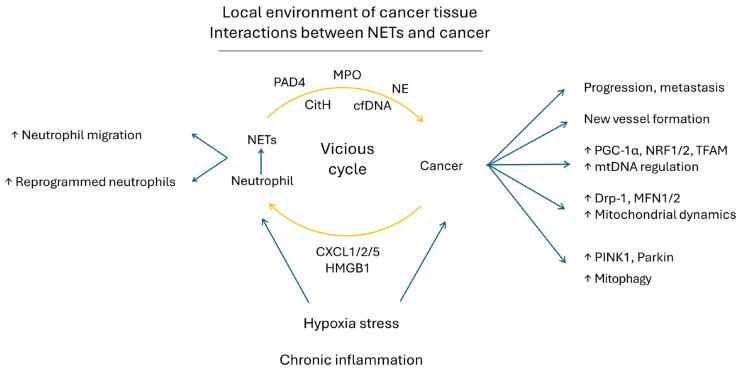
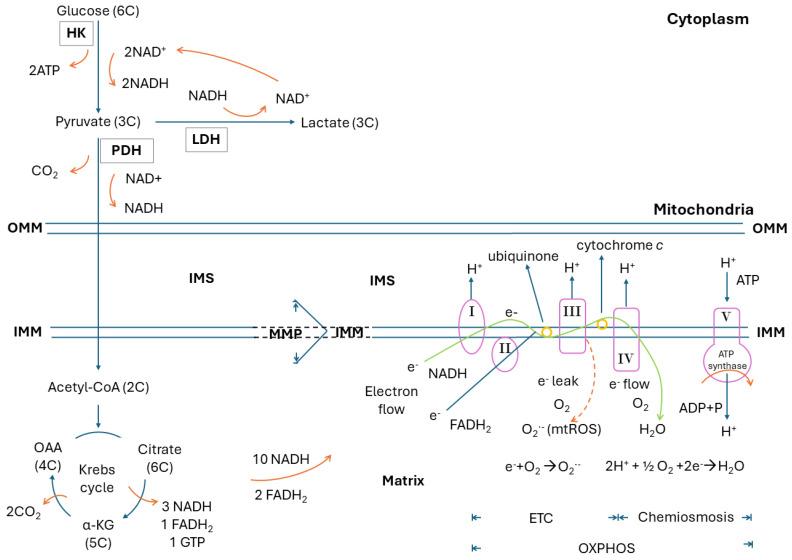
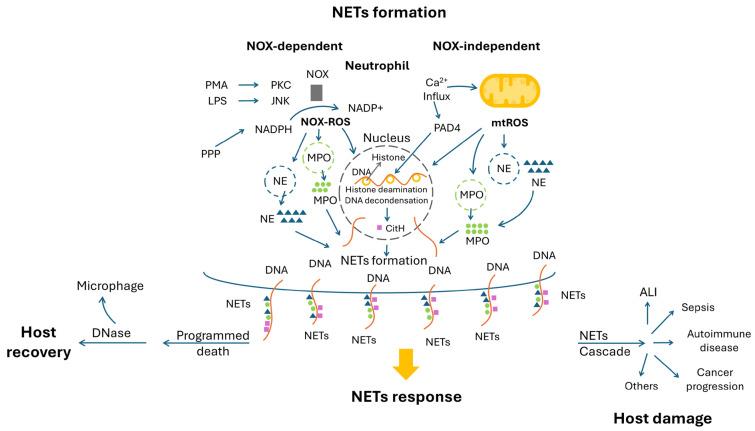
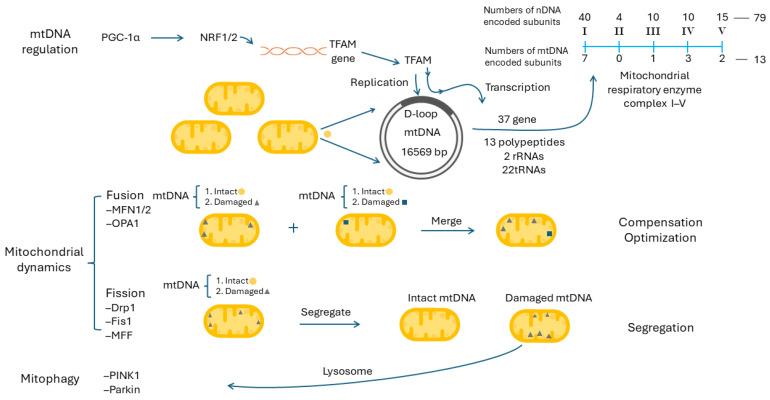
Oxidative stress elicited by reactive oxygen species (ROS) and chronic inflammation are involved both in deterring and the generation/progression of human cancers. Exogenous ROS can injure mitochondria and induce them to generate more endogenous mitochondrial ROS to further perpetuate the deteriorating condition in the affected cells. Dysfunction of these cancer mitochondria may possibly be offset by the Warburg effect, which is characterized by amplified glycolysis and metabolic reprogramming. ROS from neutrophil extracellular traps (NETs) are an essential element for neutrophils to defend against invading pathogens or to kill cancer cells. A chronic inflammation typically includes consecutive NET activation and tissue damage, as well as tissue repair, and together with NETs, ROS would participate in both the destruction and progression of cancers. This review discusses human mitochondrial plasticity and the glucose metabolic reprogramming of cancer cells confronting oxidative stress by the means of chronic inflammation and neutrophil extracellular traps (NETs).
活性氧(ROS)引起的氧化应激和慢性炎症既参与了肿瘤的发生和发展,也参与了肿瘤的抑制。外源性 ROS 可以损伤线粒体,并诱导其产生更多的内源性线粒体 ROS,以进一步使受影响细胞的恶化状况持续下去。这些癌细胞线粒体的功能障碍可能会被沃伯格效应所抵消,沃伯格效应的特点是糖酵解和代谢重编程增强。中性粒细胞胞外诱捕网(NETs)产生的 ROS 是中性粒细胞抵御入侵病原体或杀死癌细胞的重要因素。慢性炎症通常包括连续的 NET 激活和组织损伤,以及组织修复,ROS 会参与癌症的破坏和进展。本综述讨论了人类线粒体的可塑性以及在慢性炎症和中性粒细胞胞外诱捕网(NETs)的作用下,癌细胞在氧化应激下的葡萄糖代谢重编程。


 Zotero 插件