
神经免疫调节前沿探索:开拓性方法与广阔前景——全面综述。
Navigating the Neuroimmunomodulation Frontier: Pioneering Approaches and Promising Horizons-A Comprehensive Review.
机构信息
Faculty of Medicine, University of Rijeka, 51000 Rijeka, Croatia.
Department of Medical Chemistry, Biochemistry and Clinical Chemistry, Faculty of Medicine, University of Rijeka, 51000 Rijeka, Croatia.
出版信息
Int J Mol Sci. 2024 Sep 7;25(17):9695. doi: 10.3390/ijms25179695.
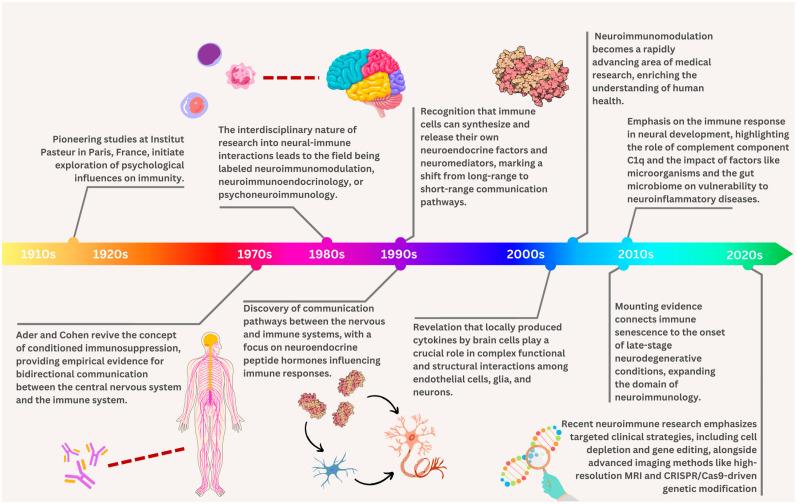
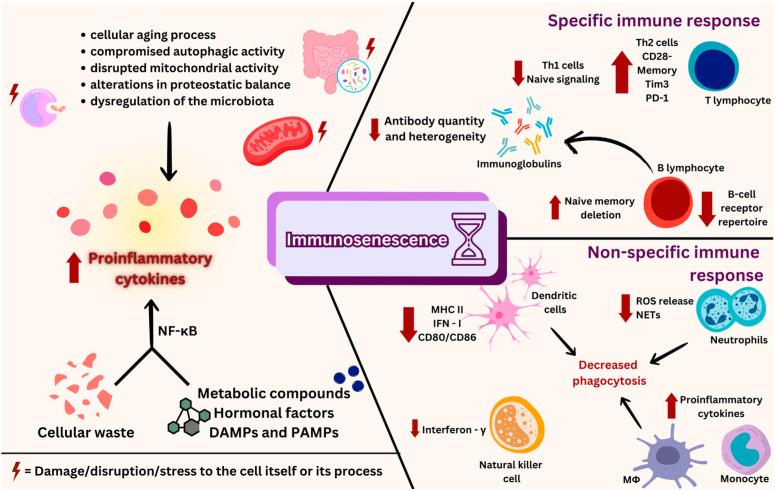
The research in neuroimmunomodulation aims to shed light on the complex relationships that exist between the immune and neurological systems and how they affect the human body. This multidisciplinary field focuses on the way immune responses are influenced by brain activity and how neural function is impacted by immunological signaling. This provides important insights into a range of medical disorders. Targeting both brain and immunological pathways, neuroimmunomodulatory approaches are used in clinical pain management to address chronic pain. Pharmacological therapies aim to modulate neuroimmune interactions and reduce inflammation. Furthermore, bioelectronic techniques like vagus nerve stimulation offer non-invasive control of these systems, while neuromodulation techniques like transcranial magnetic stimulation modify immunological and neuronal responses to reduce pain. Within the context of aging, neuroimmunomodulation analyzes the ways in which immunological and neurological alterations brought on by aging contribute to cognitive decline and neurodegenerative illnesses. Restoring neuroimmune homeostasis through strategies shows promise in reducing age-related cognitive decline. Research into mood disorders focuses on how immunological dysregulation relates to illnesses including anxiety and depression. Immune system fluctuations are increasingly recognized for their impact on brain function, leading to novel treatments that target these interactions. This review emphasizes how interdisciplinary cooperation and continuous research are necessary to better understand the complex relationship between the neurological and immune systems.
神经免疫调节研究旨在阐明免疫系统和神经系统之间存在的复杂关系,以及它们如何影响人体。这个多学科领域专注于研究大脑活动如何影响免疫反应,以及免疫信号如何影响神经功能。这为一系列医学疾病提供了重要的见解。神经免疫调节方法靶向大脑和免疫途径,用于临床疼痛管理以解决慢性疼痛。药物治疗旨在调节神经免疫相互作用和减轻炎症。此外,像迷走神经刺激这样的生物电子技术提供了对这些系统的非侵入性控制,而像经颅磁刺激这样的神经调节技术则可以改变免疫和神经元反应,以减轻疼痛。在衰老的背景下,神经免疫调节分析了衰老引起的免疫和神经改变如何导致认知能力下降和神经退行性疾病。通过策略恢复神经免疫平衡有望减少与年龄相关的认知能力下降。情绪障碍的研究重点是免疫失调与包括焦虑和抑郁在内的疾病之间的关系。免疫系统的波动越来越被认为对大脑功能有影响,这导致了针对这些相互作用的新治疗方法。这篇综述强调了跨学科合作和持续研究对于更好地理解神经系统和免疫系统之间复杂关系的必要性。



 Zotero 插件