
经历照料逆境的青少年口腔微生物群特征
Characteristics of the oral microbiome in youth exposed to caregiving adversity.
作者信息
Gancz Naomi N, Querdasi Francesca R, Chu Kristen A, Towner Emily, Taylor Eason, Callaghan Bridget L
机构信息
University of California, Los Angeles, 502 Portola Plaza, Los Angeles, CA, 90095, United States.
出版信息
Brain Behav Immun Health. 2024 Aug 28;41:100850. doi: 10.1016/j.bbih.2024.100850. eCollection 2024 Nov.
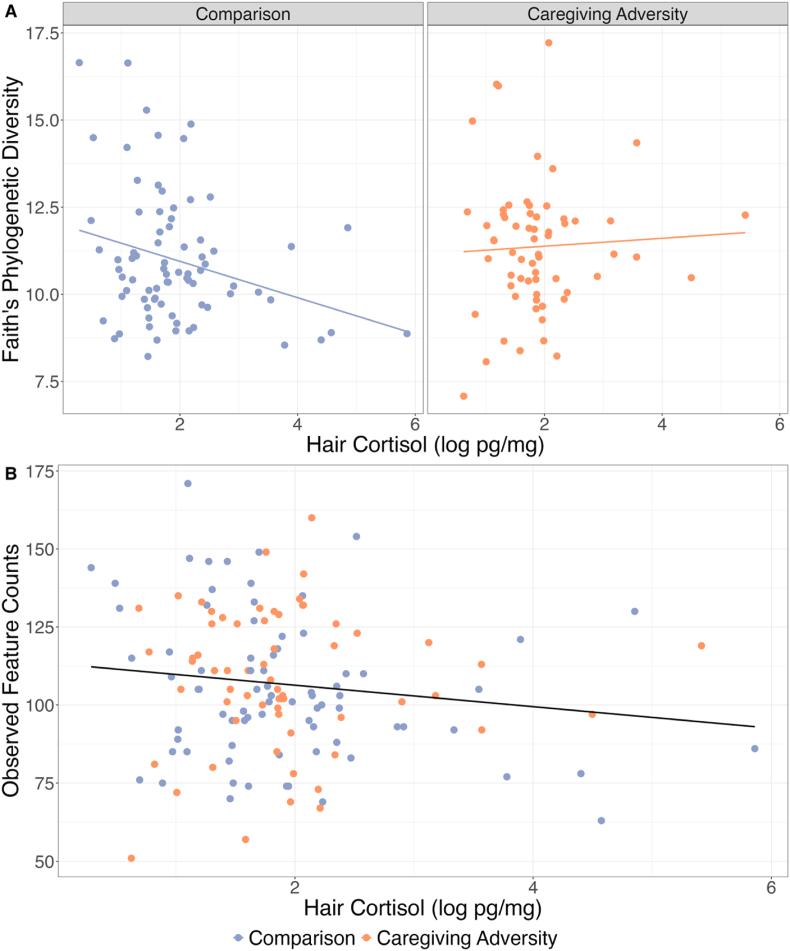
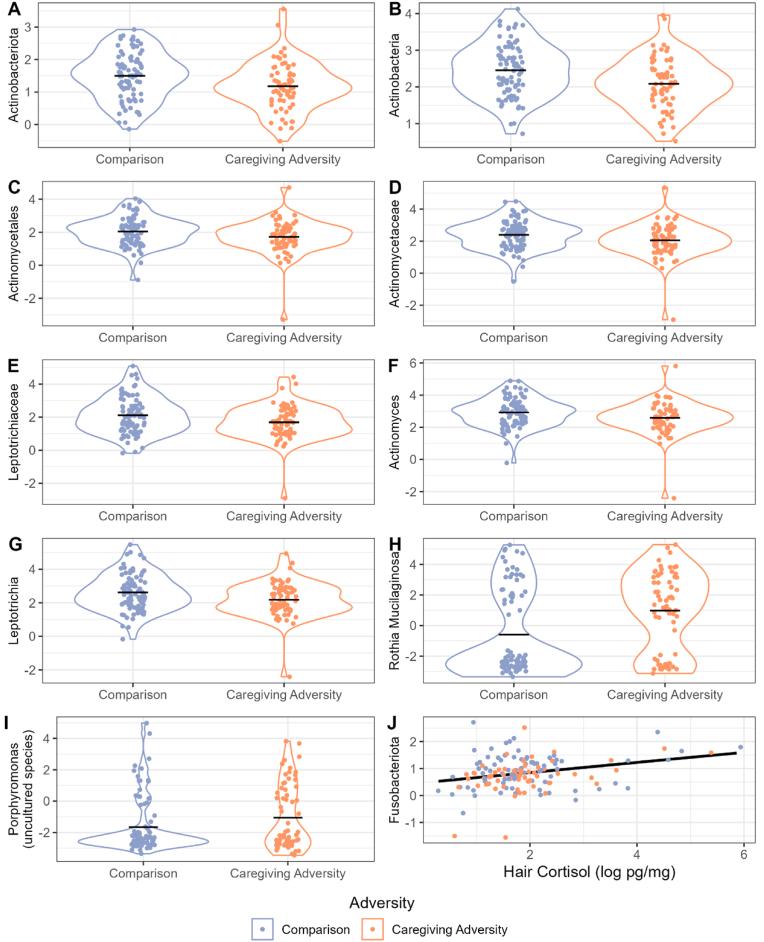
Caregiving adversity (CA) exposure is robustly linked to increased risk for poor oral, physical, and mental health outcomes. Increasingly, the gut microbiome has garnered interest as a contributor to risk for and resilience to such health outcomes in CA-exposed individuals. Though often overlooked, the microbiome of CA-exposed individuals may be just as important a contributor to health outcomes as the gut microbiome. Indeed, outside the context of CA, the oral microbiome is well-documented as a regulator of both oral and systemic health, and preliminary data suggest its association with mental health. However, research examining the association between CA and the oral microbiome is extremely sparse, especially in childhood, when the community composition of such organisms is still stabilizing. To address that sparsity, in the current study, we examined composition and differential abundance metrics of the oral microbiome in 152 youth aged 6-16 years, who had either been exposed to significant caregiving adversity (significant separation from or maltreatment by a caregiver; N = 66, CA) or who had always remained with their biological/birth families (N = 86, Comparison). We identified a significant negative association between hair cortisol and oral microbiome richness in the Comparison group that was significantly blunted in the CA group. Additionally, youth in the CA group had altered oral microbiome composition and elevated abundance of potentially pathogenic bacteria relative to youth in the Comparison group. Questionnaire measures of fatigue, somatic complaints, and internalizing symptoms had limited associations with oral microbiome features that were altered in CA. Although we found differences in the oral microbiomes of CA-exposed youth, further research is required to elucidate the implications of those differences for health and well-being.
照料逆境(CA)暴露与口腔、身体和心理健康状况不佳的风险增加密切相关。越来越多的研究表明,肠道微生物群在CA暴露个体的此类健康状况风险和恢复力方面发挥着作用,引起了人们的关注。尽管口腔微生物群常常被忽视,但CA暴露个体的口腔微生物群对健康状况的影响可能与肠道微生物群同样重要。事实上,在CA背景之外,口腔微生物群作为口腔和全身健康的调节因子已有充分记录,初步数据表明其与心理健康有关。然而,研究CA与口腔微生物群之间关联的研究极为稀少,尤其是在儿童时期,此时这些微生物的群落组成仍在稳定之中。为了解决这一研究空白,在本研究中,我们调查了152名6至16岁青少年的口腔微生物群的组成和差异丰度指标,这些青少年要么经历了重大的照料逆境(与照料者显著分离或遭受虐待;N = 66,CA组),要么一直与亲生/原生家庭在一起(N = 86,对照组)。我们发现对照组中头发皮质醇与口腔微生物群丰富度之间存在显著负相关,而在CA组中这种相关性明显减弱。此外,与对照组的青少年相比,CA组的青少年口腔微生物群组成发生了变化,潜在致病菌的丰度升高。疲劳、躯体不适和内化症状的问卷调查结果与CA组中改变的口腔微生物群特征之间的关联有限。尽管我们发现了CA暴露青少年口腔微生物群的差异,但仍需要进一步研究来阐明这些差异对健康和幸福的影响。



 Zotero 插件