
免疫球蛋白E与免疫球蛋白G和免疫球蛋白A:变应原特异性抗体在过敏致敏、免疫耐受及治疗中的不同作用
IgE versus IgG and IgA: Differential roles of allergen-specific antibodies in sensitization, tolerization, and treatment of allergies.
作者信息
Knol E F, van Neerven R J J
机构信息
Department of Dermatology/Allergology, UMC Utrecht, Utrecht, the Netherlands.
Cell Biology and Immunology, Wageningen University & Research, Wageningen, the Netherlands.
出版信息
Immunol Rev. 2024 Nov;328(1):314-333. doi: 10.1111/imr.13386. Epub 2024 Sep 16.
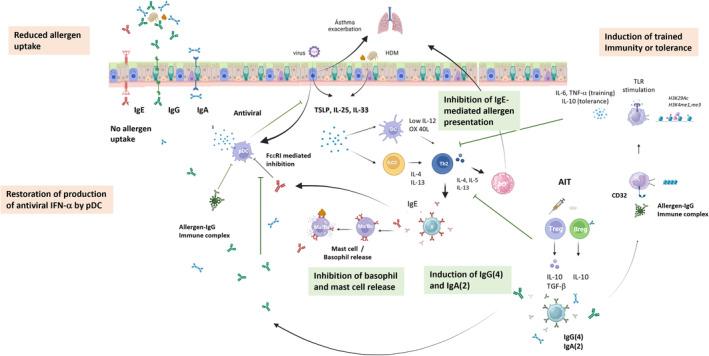
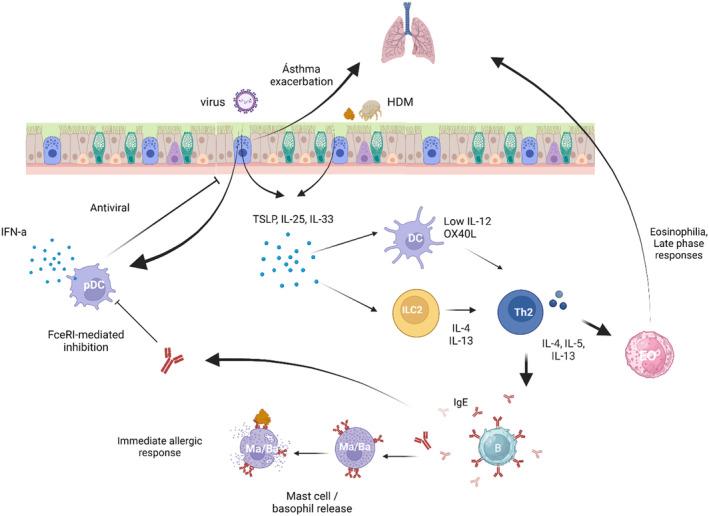
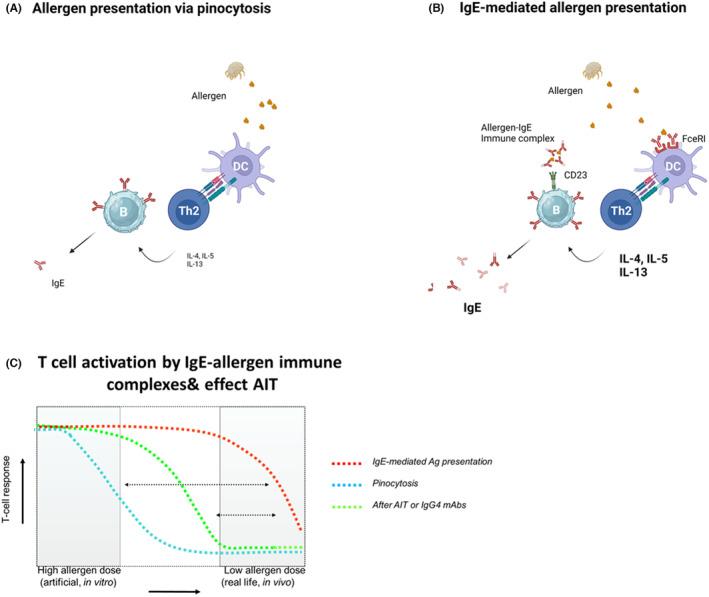
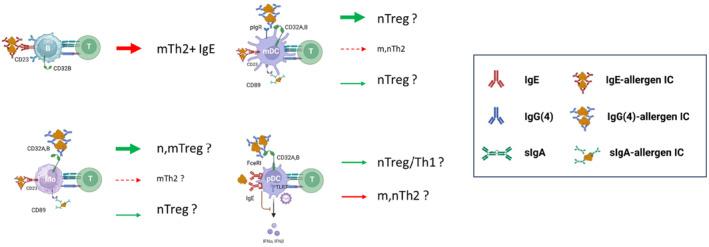
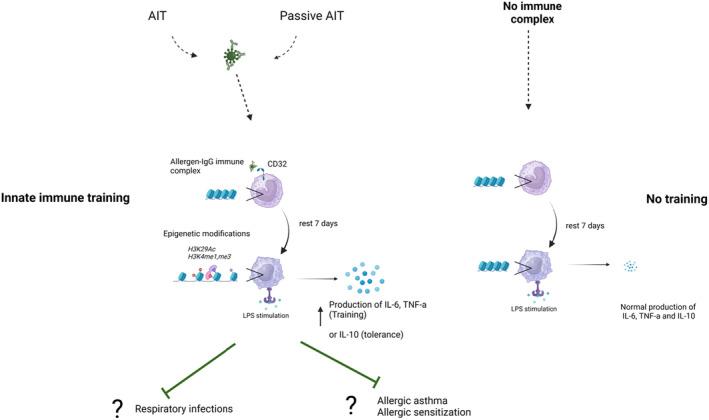
The prevalence of asthma, rhinitis, and food allergies has increased dramatically over the last few decades. This increase originally started in western countries, but is now also evident in many other regions of the world. Given the fact that the increase is so quick, the noted increase cannot be linked to a genetic effect, and many environmental factors have been identified that are associated with increased or reduced prevalence of allergies, like changing dietary habits, increased urbanization, pollution, exposure to microorganisms and LPS, and the farming environment and raw milk consumption. Although the key role of allergen-specific IgE in allergies is well known, the role of allergen-specific IgG and IgA antibodies is less well defined. This review will provide an overview of the functions of allergen-specific IgE in allergy, the role of allergen-specific antibodies (IgG (4) and IgA) in allergen immunotherapy (AIT), the possibility to use allergen-specific antibodies for treatment of ongoing allergies, and the potential role of allergen-specific antibodies in tolerance induction to allergens in a preventive setting. In the last, more speculative, section we will present novel hypotheses on the potential role of allergen-specific non-IgE antibodies in allergies by directing antigen presentation, Th2 development, and innate immune training.
在过去几十年中,哮喘、鼻炎和食物过敏的患病率急剧上升。这种上升最初始于西方国家,但现在在世界其他许多地区也很明显。鉴于这种上升速度如此之快,这种显著增加与遗传效应无关,并且已经确定了许多与过敏患病率增加或降低相关的环境因素,如饮食习惯的改变、城市化加剧、污染、接触微生物和脂多糖,以及农业环境和生奶消费。虽然过敏原特异性IgE在过敏中的关键作用已广为人知,但过敏原特异性IgG和IgA抗体的作用尚不太明确。本综述将概述过敏原特异性IgE在过敏中的功能、过敏原特异性抗体(IgG(4)和IgA)在过敏原免疫疗法(AIT)中的作用、使用过敏原特异性抗体治疗持续性过敏的可能性,以及过敏原特异性抗体在预防性环境中诱导对过敏原耐受性的潜在作用。在最后更具推测性的部分,我们将通过指导抗原呈递、Th2细胞发育和先天免疫训练,提出关于过敏原特异性非IgE抗体在过敏中潜在作用的新假说。


 Zotero 插件