
绿原酸在患者来源的异种移植模型及舌癌水凝胶包埋组织培养药敏试验中显示出抗肿瘤作用。
Chlorogenic acid exhibits antitumor effect in patient-derived xenograft models and hydrogel-embedded tissue culture drug susceptibility test of tongue cancer.
作者信息
Zhu Jia, Mei Jiaqi, He Yuanqiao, Zou Yan, Hu Xiaoping
机构信息
The Affiliated Stomatological Hospital, Jiangxi Medical College, Nanchang University, Nanchang, Jiangxi, China.
Jiangxi Provincial Key Laboratory of Oral Diseases, Nanchang, Jiangxi, China.
出版信息
Heliyon. 2024 Sep 6;10(18):e37523. doi: 10.1016/j.heliyon.2024.e37523. eCollection 2024 Sep 30.
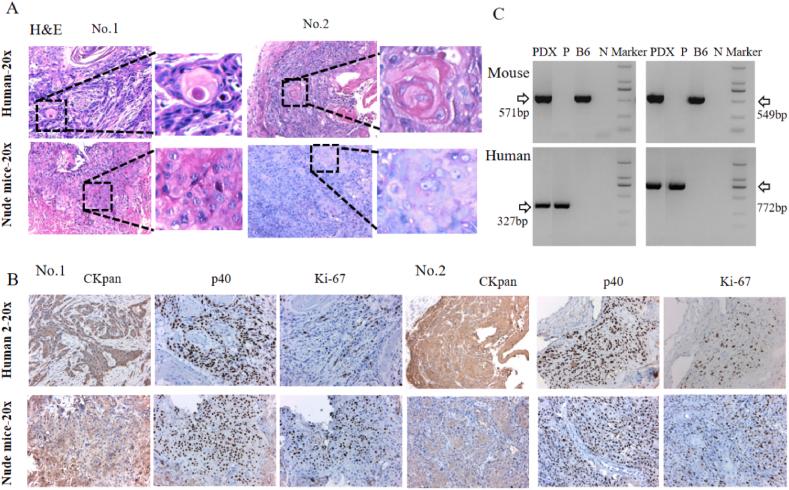
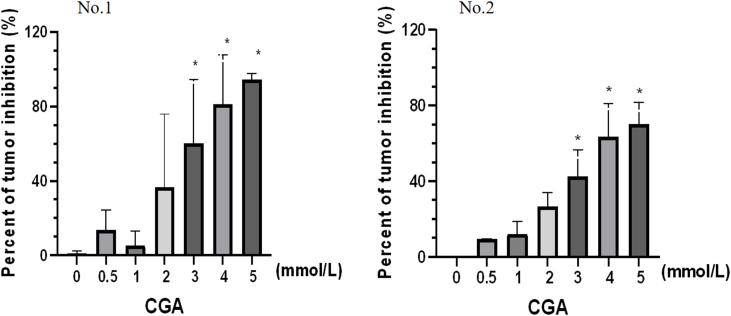
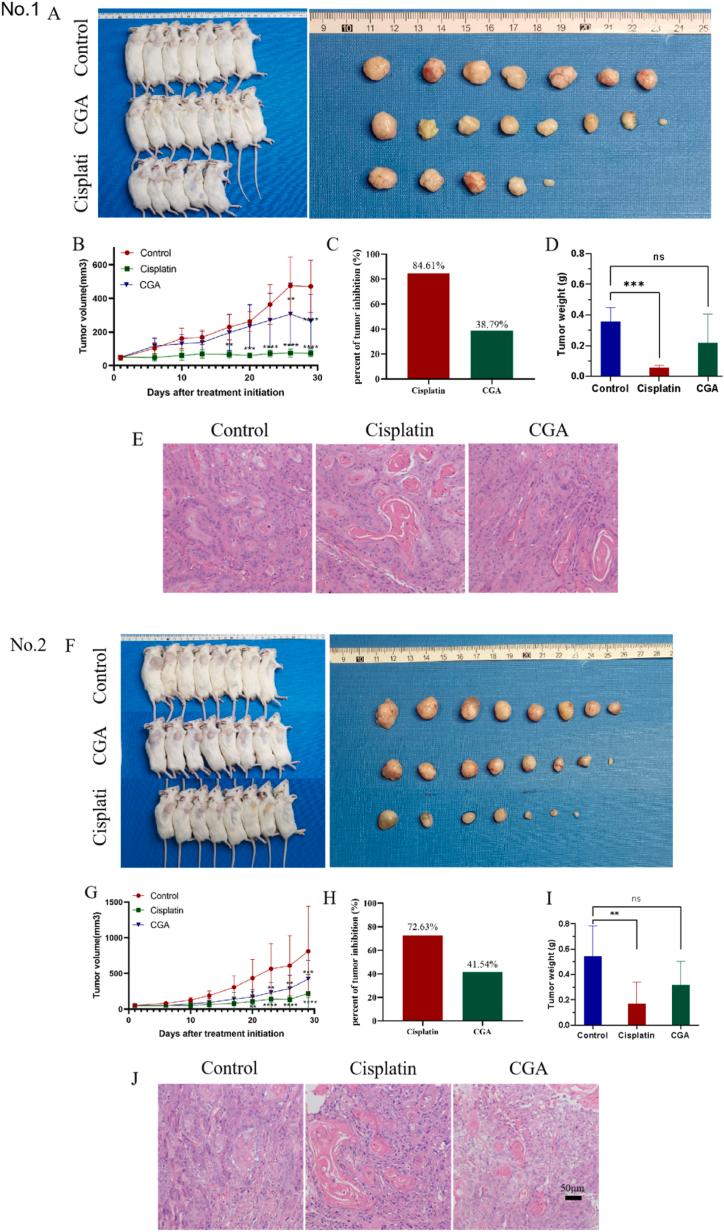
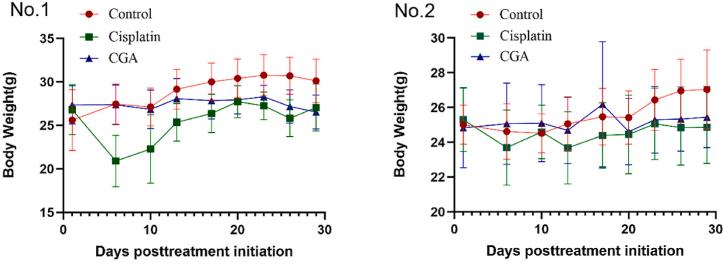
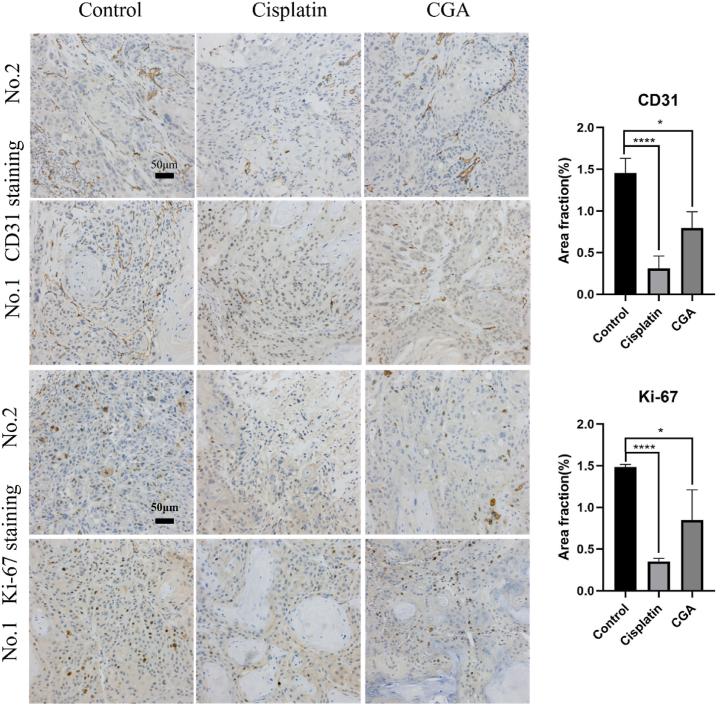
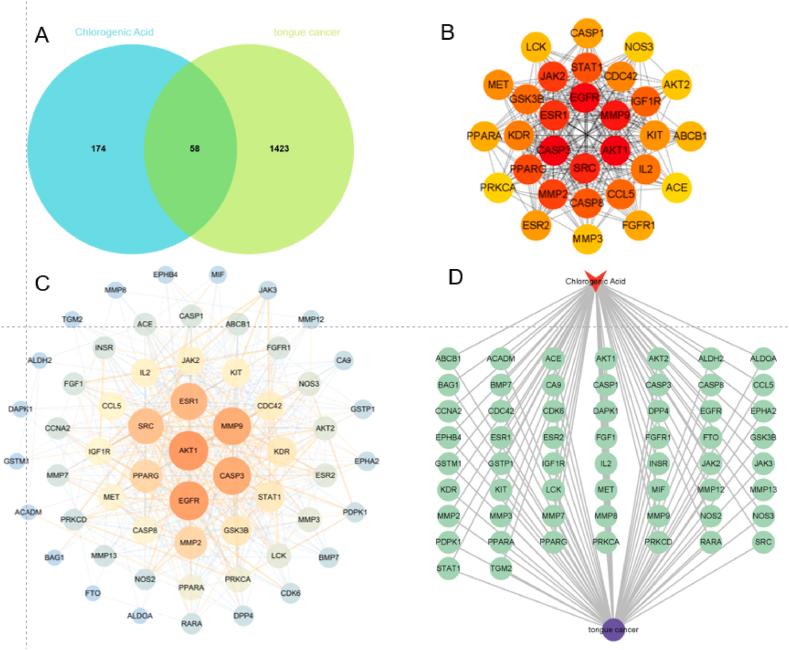
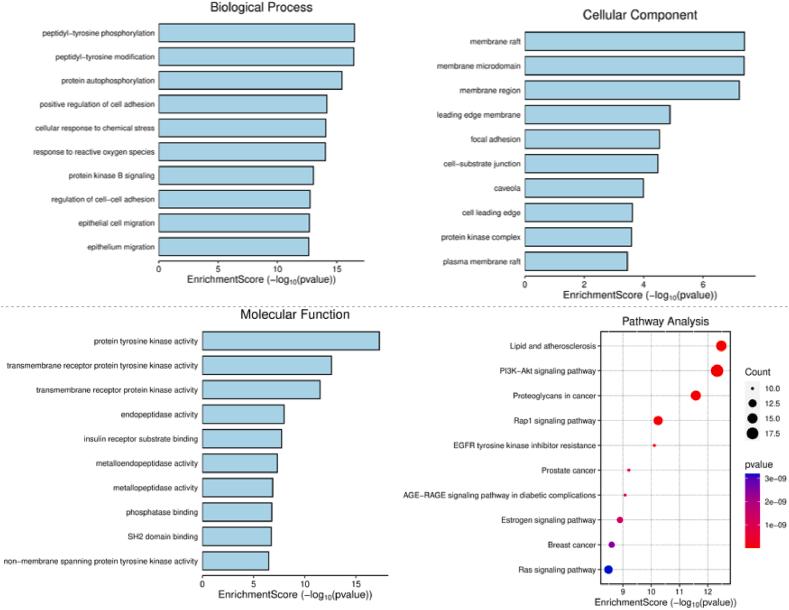
Chlorogenic acid (CGA) is one of the effective components of Chinese medicine plant such as honeysuckle and Eucommia ulmoides. CGA can inhibits various cancer types, but its effectivity against tongue cancer remains unknown. In the present study, we utilized patient-derived xenograft (PDX) models in conjunction with hydrogel-embedded drug sensitivity tests (HDST) to demonstrate the inhibitory effects of CGA on tongue cancer tissues in both in vivo and ex vivo experimental paradigms. Immunohistochemical (IHC) analysis and TUNEL staining revealed that CGA downregulated the expression of CD31 and Ki-67, while concurrently promoting apoptosis. Furthermore, the involvement of the EGFR-AKT-MMP9 signaling cascade in the tumor-suppressive effects of CGA was confirmed using network pharmacology analysis and immunofluorescent validation techniques. Overall, our findings indicate that CGA robustly inhibits tongue cancer in cellular and organismal models. The EGFR-AKT-MMP9 axis plays a highly significant role in mediating this bioactivity, thereby positioning CGA as a promising candidate for further investigation in oncology. The multifaceted therapeutic potential of CGA, as evidenced by its ability to disrupt angiogenesis, suppress cell proliferation, and induce apoptosis, underscores its value as a novel therapeutic agent for the treatment of tongue cancer.
绿原酸(CGA)是金银花和杜仲等中药植物的有效成分之一。CGA可抑制多种癌症类型,但其对舌癌的有效性尚不清楚。在本研究中,我们利用患者来源的异种移植(PDX)模型结合水凝胶包埋药物敏感性试验(HDST),在体内和体外实验范式中证明了CGA对舌癌组织的抑制作用。免疫组织化学(IHC)分析和TUNEL染色显示,CGA下调了CD31和Ki-67的表达,同时促进细胞凋亡。此外,使用网络药理学分析和免疫荧光验证技术证实了EGFR-AKT-MMP9信号级联在CGA的肿瘤抑制作用中的参与。总体而言,我们的研究结果表明,CGA在细胞和机体模型中强烈抑制舌癌。EGFR-AKT-MMP9轴在介导这种生物活性方面发挥着非常重要的作用,从而使CGA成为肿瘤学进一步研究的有希望的候选者。CGA破坏血管生成、抑制细胞增殖和诱导细胞凋亡的能力证明了其多方面的治疗潜力,突出了其作为治疗舌癌的新型治疗剂的价值。


 Zotero 插件