
基于纳米载体的乳腺癌治疗靶向肿瘤相关巨噬细胞:迈向开发创新抗癌疗法的一步。
Targeting tumor-associated macrophages with nanocarrier-based treatment for breast cancer: A step toward developing innovative anti-cancer therapeutics.
作者信息
Muteeb Ghazala, Khafaga Doaa S R, El-Morsy Manar T, Farhan Mohd, Aatif Mohammad, Hosney Mohamed
机构信息
Department of Nursing, College of Applied Medical Sciences, King Faisal University, Al-Ahsa, 31982, Saudi Arabia.
Health Sector, Faculty of Science, Galala University, New Galala City, 43511, Suez, Egypt.
出版信息
Heliyon. 2024 Aug 30;10(18):e37217. doi: 10.1016/j.heliyon.2024.e37217. eCollection 2024 Sep 30.
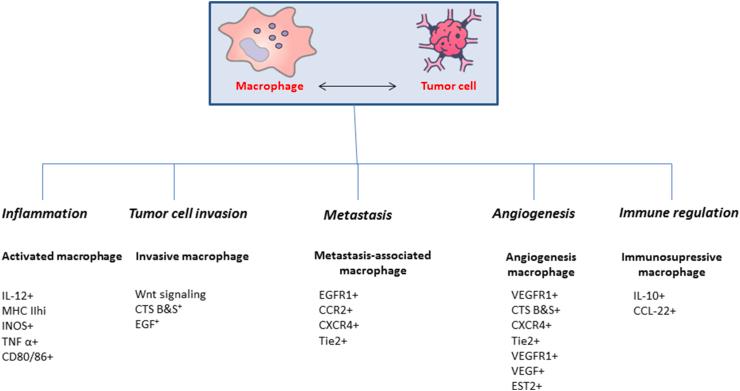
Tumor-associated macrophages (TAMs) promote tumor advancement in many ways, such as inducing angiogenesis and the formation of new blood vessels that provide tumors with nourishment and oxygen. TAMs also facilitate tumor invasion and metastasis by secreting enzymes that degrade the extracellular matrix and generating pro-inflammatory cytokines that enhance the migration of tumor cells. TAMs also have a role in inhibiting the immune response against malignancies. To accomplish this, they release immunosuppressive cytokines such as IL-10, and TAMs can hinder the function of T cells and natural killer cells, which play crucial roles in the immune system's ability to combat cancer. The role of TAMs in breast cancer advancement is a complex and dynamic field of research. Therefore, TAMs are a highly favorable focus for innovative breast cancer treatments. This review presents an extensive overview of the correlation between TAMs and breast cancer development as well as its role in the tumor microenvironment (TME) shedding light on their impact on tumor advancement and immune evasion mechanisms. Notably, our study provides an innovative approach to employing nanomedicine approaches for targeted TAM therapy in breast cancer, providing an in-depth overview of recent advances in this emerging field.
肿瘤相关巨噬细胞(TAM)通过多种方式促进肿瘤进展,例如诱导血管生成以及形成新血管,为肿瘤提供营养和氧气。TAM还通过分泌降解细胞外基质的酶和产生促进肿瘤细胞迁移的促炎细胞因子来促进肿瘤侵袭和转移。TAM在抑制针对恶性肿瘤的免疫反应中也发挥作用。为此,它们释放白细胞介素-10等免疫抑制细胞因子,并且TAM会阻碍T细胞和自然杀伤细胞的功能,而这些细胞在免疫系统对抗癌症的能力中起着关键作用。TAM在乳腺癌进展中的作用是一个复杂且动态的研究领域。因此,TAM是创新型乳腺癌治疗的一个非常理想的靶点。本综述全面概述了TAM与乳腺癌发展之间的相关性及其在肿瘤微环境(TME)中的作用,揭示了它们对肿瘤进展和免疫逃逸机制的影响。值得注意的是,我们的研究提供了一种创新方法,即采用纳米医学方法对乳腺癌进行靶向TAM治疗,深入概述了这一新兴领域的最新进展。
 Zotero 插件