
HIV感染者的动脉粥样硬化与心血管并发症:聚焦综述
Atherosclerosis and Cardiovascular Complications in People Living with HIV: A Focused Review.
作者信息
Paternò Raddusa Michele Salvatore, Marino Andrea, Celesia Benedetto Maurizio, Spampinato Serena, Giarratana Carmen, Venanzi Rullo Emmanuele, Cacopardo Bruno, Nunnari Giuseppe
机构信息
Department of Clinical and Experimental Medicine, University of Messina, 98124 Messina, Italy.
Department of Clinical and Experimental Medicine, Unit of Infectious Diseases, ARNAS Garibaldi Hospital, University of Catania, 95123 Catania, Italy.
出版信息
Infect Dis Rep. 2024 Sep 1;16(5):846-863. doi: 10.3390/idr16050066.
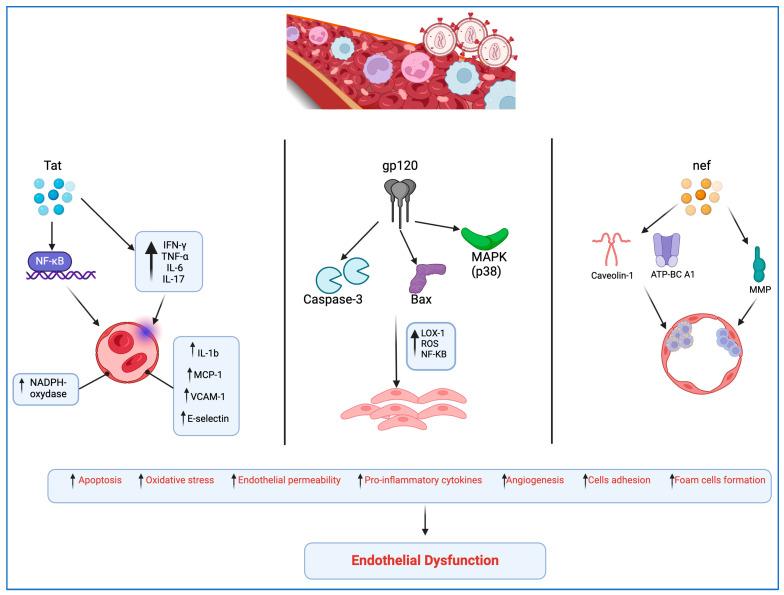
The intersection of Human Immunodeficiency Virus (HIV) infection and cardiovascular disease (CVD) represents a significant area of concern; advancements in antiretroviral therapy (ART) have notably extended the life expectancy of people living with HIV (PLWH), concurrently elevating the prevalence of chronic conditions such as CVD. This paper explores the multifaceted relationship between HIV infection, ART, and cardiovascular health, focusing on the mechanisms by which HIV and ART contribute to increased cardiovascular risk, including the promotion of endothelial dysfunction, inflammation, immune activation, and metabolic disturbances. We highlight the critical roles of HIV-associated proteins-Tat, Nef, and gp120-in accelerating atherosclerosis through direct and indirect pathways that exacerbate endothelial damage and inflammation. Additionally, we address the persistent challenge of chronic inflammation and immune activation in PLWH, factors that are strongly predictive of non-AIDS-related diseases, including CVD, even in the context of effective viral suppression. The impact of ART on cardiovascular risk is examined, with particular attention to the metabolic implications of specific ART regimens, which can influence lipid profiles and body composition, thereby modifying CVD risk. The therapeutic potential of statins, aspirin, and emerging treatments such as PCSK9 inhibitors in mitigating cardiovascular morbidity and mortality among PLWH is discussed, alongside considerations for their use in conjunction with ART. Our review underscores the necessity for a comprehensive, multidisciplinary approach to cardiovascular care in PLWH, which integrates vigilant cardiovascular risk assessment and management with HIV treatment. As we navigate the evolving landscape of HIV care, the goal remains to optimize treatment outcomes while minimizing cardiovascular risk, ensuring that the gains in longevity afforded by ART translate into improved overall health and quality of life for PLWH.
人类免疫缺陷病毒(HIV)感染与心血管疾病(CVD)的交叉领域是一个备受关注的重要方面;抗逆转录病毒疗法(ART)的进步显著延长了HIV感染者(PLWH)的预期寿命,同时也提高了诸如CVD等慢性病的患病率。本文探讨了HIV感染、ART与心血管健康之间的多方面关系,重点关注HIV和ART导致心血管风险增加的机制,包括促进内皮功能障碍、炎症、免疫激活和代谢紊乱。我们强调了HIV相关蛋白——Tat、Nef和gp120——通过直接和间接途径加速动脉粥样硬化的关键作用,这些途径会加剧内皮损伤和炎症。此外,我们还讨论了PLWH中慢性炎症和免疫激活这一持续存在的挑战,即使在有效的病毒抑制情况下,这些因素也是非艾滋病相关疾病(包括CVD)的强烈预测指标。研究了ART对心血管风险的影响,特别关注特定ART方案的代谢影响,其可影响血脂谱和身体组成,从而改变CVD风险。讨论了他汀类药物、阿司匹林以及PCSK9抑制剂等新兴疗法在降低PLWH心血管发病率和死亡率方面的治疗潜力,以及它们与ART联合使用的注意事项。我们的综述强调了对PLWH进行全面、多学科心血管护理方法的必要性,该方法将警惕的心血管风险评估和管理与HIV治疗相结合。在我们应对不断变化的HIV护理格局时,目标仍然是优化治疗结果,同时将心血管风险降至最低,确保ART带来的寿命延长转化为PLWH整体健康和生活质量的改善。

 Zotero 插件