
了解辐射诱导淋巴细胞减少症的影响:临床前和临床研究视角。
Understanding the impact of radiation-induced lymphopenia: Preclinical and clinical research perspectives.
作者信息
Prades-Sagarra E, Yaromina A, Dubois L J
机构信息
The M-Lab, Department of Precision Medicine, GROW - Research Institute for Oncology and Reproduction, Maastricht University, 6229 ER Maastricht, The Netherlands.
出版信息
Clin Transl Radiat Oncol. 2024 Sep 6;49:100852. doi: 10.1016/j.ctro.2024.100852. eCollection 2024 Nov.
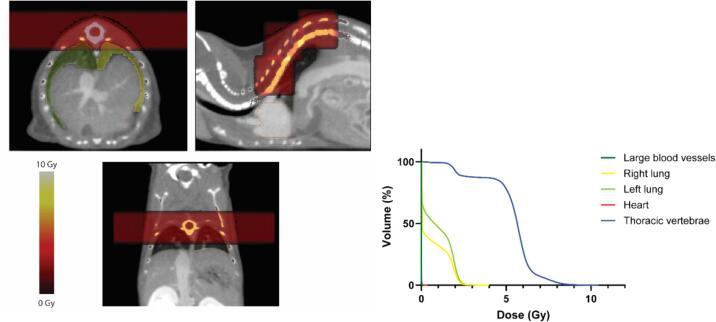
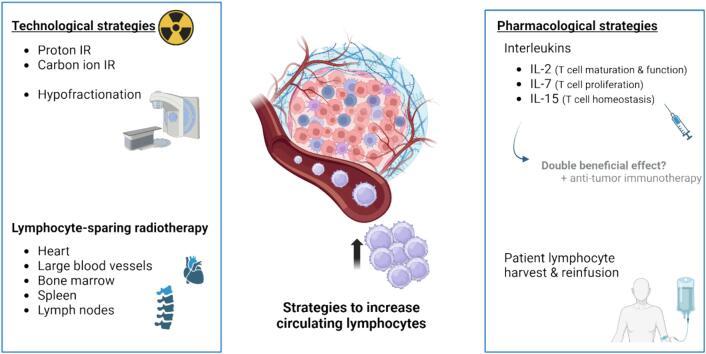
Immunotherapy has revolutionized the field of cancer treatment, changing the standard of care to the use of immune checkpoint inhibitors. Radiotherapy can boost anti-tumour immune responses by changing the tumour microenvironment, but it also can cause radiotherapy-induced lymphopenia (RIL), a decrease in circulating lymphocyte counts. RIL has been associated with lower survival in patients undergoing radiotherapy, and new studies have suggested that it can also affect immunotherapy outcome. To study RIL's effects and to explore mitigation treatment strategies, preclinical models closely mimicking the clinical situation are needed. State-of-the-art image-guided small animal irradiators now offer the possibility to target specific organs in small animals to induce RIL, aiding research on its molecular mechanisms and prevention. This review covers the relationship between radiotherapy and RIL, its impact on patient survival, and future directions to generate models to investigate and prevent RIL.
免疫疗法彻底改变了癌症治疗领域,将治疗标准转变为使用免疫检查点抑制剂。放射疗法可通过改变肿瘤微环境来增强抗肿瘤免疫反应,但它也会导致放疗引起的淋巴细胞减少症(RIL),即循环淋巴细胞计数下降。RIL与接受放疗患者的较低生存率相关,并且新的研究表明它还会影响免疫治疗的效果。为了研究RIL的影响并探索缓解治疗策略,需要紧密模拟临床情况的临床前模型。先进的图像引导小动物辐照仪现在提供了在小动物中靶向特定器官以诱导RIL的可能性,有助于对其分子机制和预防进行研究。本综述涵盖了放射疗法与RIL之间的关系、其对患者生存的影响以及生成用于研究和预防RIL的模型的未来方向。

 Zotero 插件