
一种含天然无载体二元小分子的共组装凝胶(如中药中所使用的)对SW1990细胞活力的抑制作用。
The Inhibitory Impact of a Co-Assembly Gel with Natural Carrier-Free Binary Small Molecules, as Used in Traditional Chinese Medicine, on the Viability of SW1990 Cells.
作者信息
Nie Xueqiang, Liu Sifan, Huang Qiongxue, Wu Haifeng, Zheng Qingxia, Xu Xudong, Li Bowen, Ma Guoxu, Zhou Xiaolei, Liu Shuchen, Gao Weijuan
机构信息
Key Laboratory of Bioactive Substances and Resource Utilization of Chinese Herbal Medicine, Ministry of Education, Institute of Medicinal Plant Development, Peking Union Medical College and Chinese Academy of Medical Sciences, Beijing 100193, China.
Department of Pharmaceutical Science, Beijing Institute of Radiation Medicine, Beijing 100850, China.
出版信息
Gels. 2024 Aug 31;10(9):569. doi: 10.3390/gels10090569.
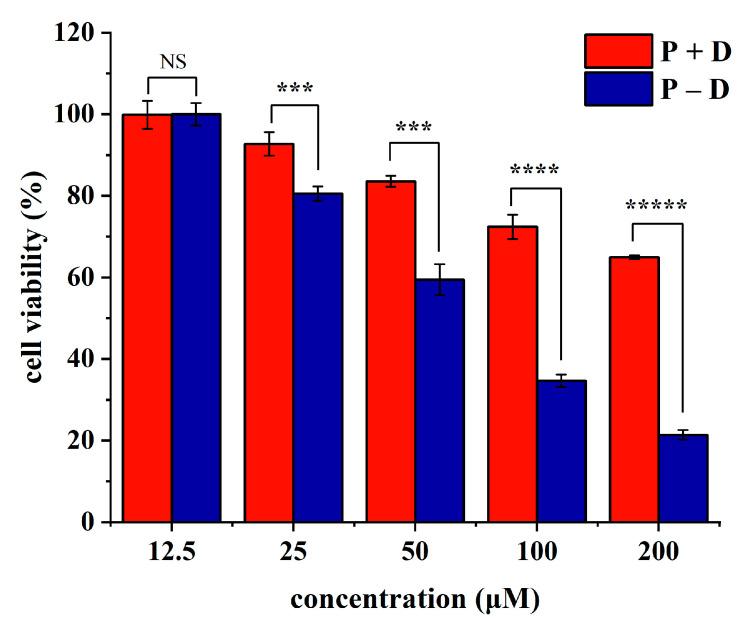
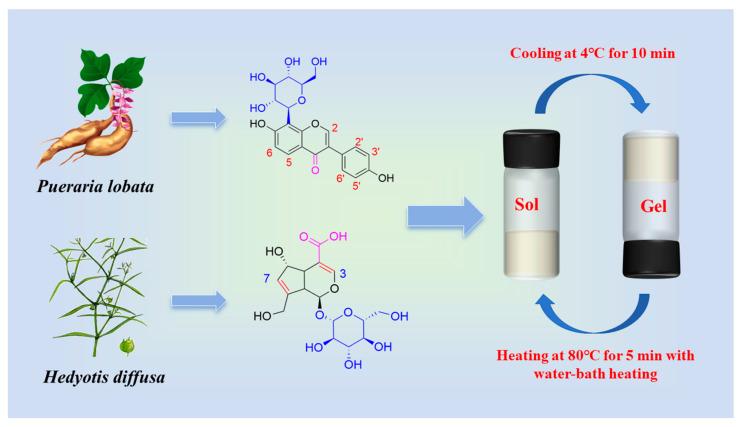
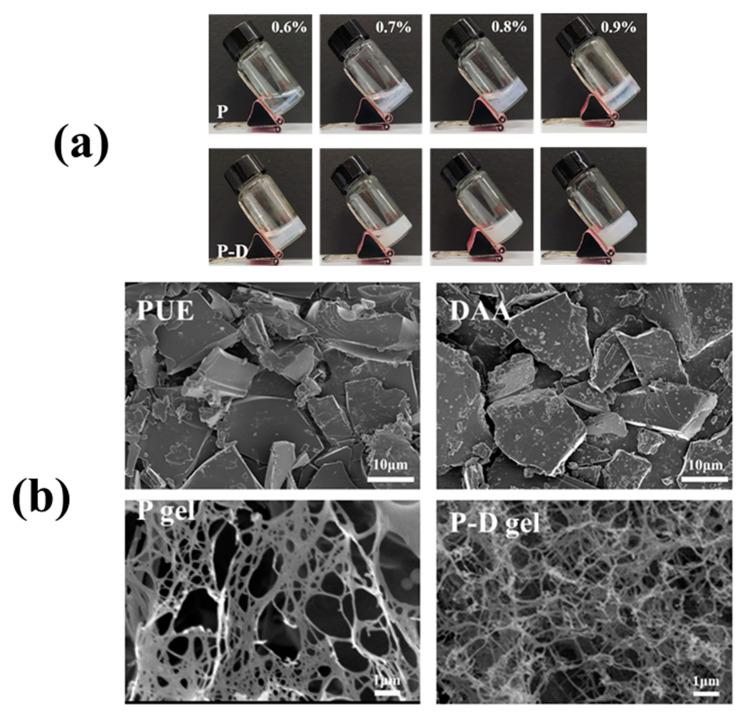
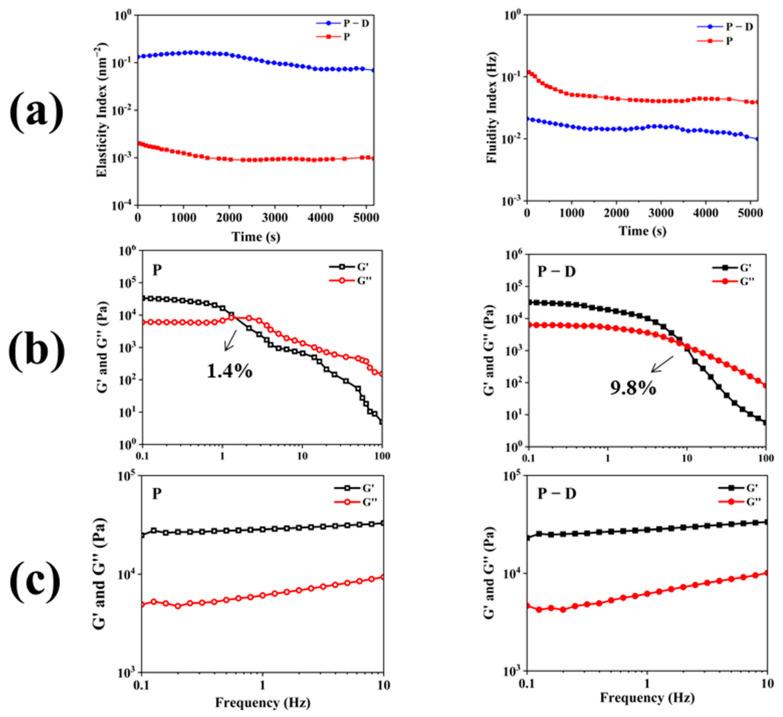
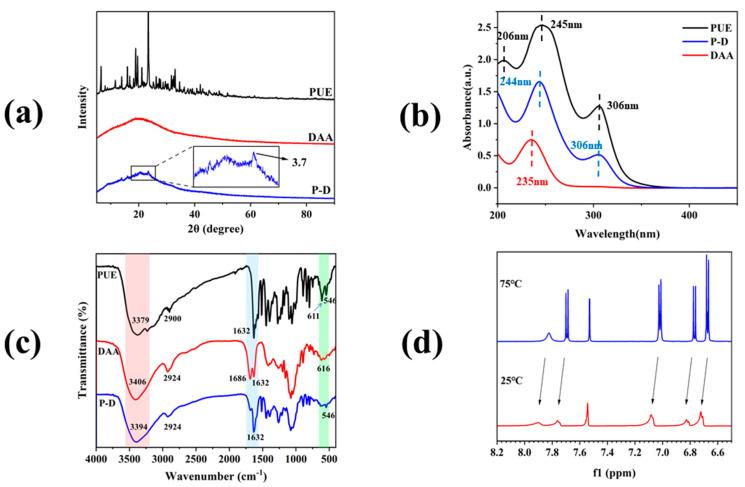
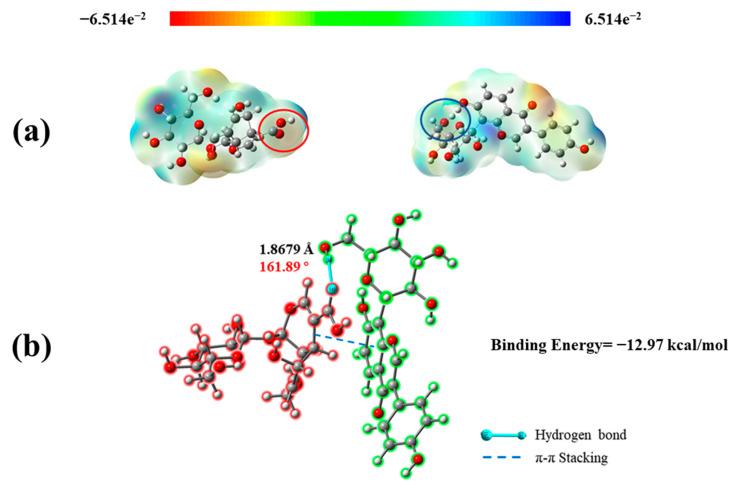
Chinese herbs are a huge treasure trove of natural products and an important source of many active molecules. The theory of traditional Chinese medicine compatibility (TCMC) is widely applied in clinical practice, but its mechanism is still ambiguous. This study aims to open a new window for this predicament by studying the interaction between the main active ingredients from a drug pair. Carrier-free assembly of natural products improves the shortcomings of traditional nanodelivery systems and opens a new path for the development of new nanomaterials. The drug pair " and " has been commonly used in clinical practice, with a predominant therapeutic effect. This study is devoted to the study of the binary small molecule co-assembly of the main active molecules from the drug pair. In this study, we introduce a carrier-free composite gel, formed by the co-assembly of puerarin (PUE) and deacetylasperulosidic acid (DAA) via non-covalent bonds including π-π packing, intermolecular hydrogen bonding, and C=O π interactions. With a strain point 7-fold higher than that of P gel, the P - D gel exhibited favorable rheological properties. The survival rate of SW1990 cells in the P - D group was only 21.39% when the concentration of administration reached 200 μM. It thus demonstrated activity in inhibiting SW1990 cells' survival, suggesting potential in combating pancreatic cancer. Furthermore, this research offers a valuable concept for enhancing the mechanical properties and bioactivity of hydrogel materials through the utilization of a multi-component natural small molecule co-assembly approach. More importantly, this provides new ideas and methods for the treatment of pancreatic cancer and the analysis of traditional Chinese medicine compatibility theory.
中草药是天然产物的巨大宝库,也是许多活性分子的重要来源。中药配伍理论在临床实践中被广泛应用,但其机制仍不明确。本研究旨在通过研究药对中主要活性成分之间的相互作用,为这一困境打开一扇新窗口。天然产物的无载体组装改善了传统纳米递送系统的缺点,为新型纳米材料的开发开辟了一条新途径。药对“ ”在临床实践中常用,具有显著的治疗效果。本研究致力于药对中主要活性分子的二元小分子共组装研究。在本研究中,我们引入了一种无载体复合凝胶,它由葛根素(PUE)和去乙酰车叶草苷酸(DAA)通过包括π-π堆积、分子间氢键和C=O π相互作用在内的非共价键共组装形成。P-D凝胶的应变点比P凝胶高7倍,表现出良好的流变学性质。当给药浓度达到200 μM时,P-D组SW1990细胞的存活率仅为21.39%。因此,它显示出抑制SW1990细胞存活的活性,表明在对抗胰腺癌方面具有潜力。此外,本研究通过利用多组分天然小分子共组装方法,为提高水凝胶材料的机械性能和生物活性提供了一个有价值的概念。更重要的是,这为胰腺癌的治疗和中药配伍理论的分析提供了新的思路和方法。

 Zotero 插件