
2型糖尿病的现代挑战:新药物与多因素护理的平衡
Modern Challenges in Type 2 Diabetes: Balancing New Medications with Multifactorial Care.
作者信息
Caturano Alfredo, Galiero Raffaele, Rocco Maria, Tagliaferri Giuseppina, Piacevole Alessia, Nilo Davide, Di Lorenzo Giovanni, Sardu Celestino, Vetrano Erica, Monda Marcellino, Marfella Raffaele, Rinaldi Luca, Sasso Ferdinando Carlo
机构信息
Department of Advanced Medical and Surgical Sciences, University of Campania Luigi Vanvitelli, 80138 Naples, Italy.
Department of Experimental Medicine, University of Campania Luigi Vanvitelli, 80138 Naples, Italy.
出版信息
Biomedicines. 2024 Sep 7;12(9):2039. doi: 10.3390/biomedicines12092039.
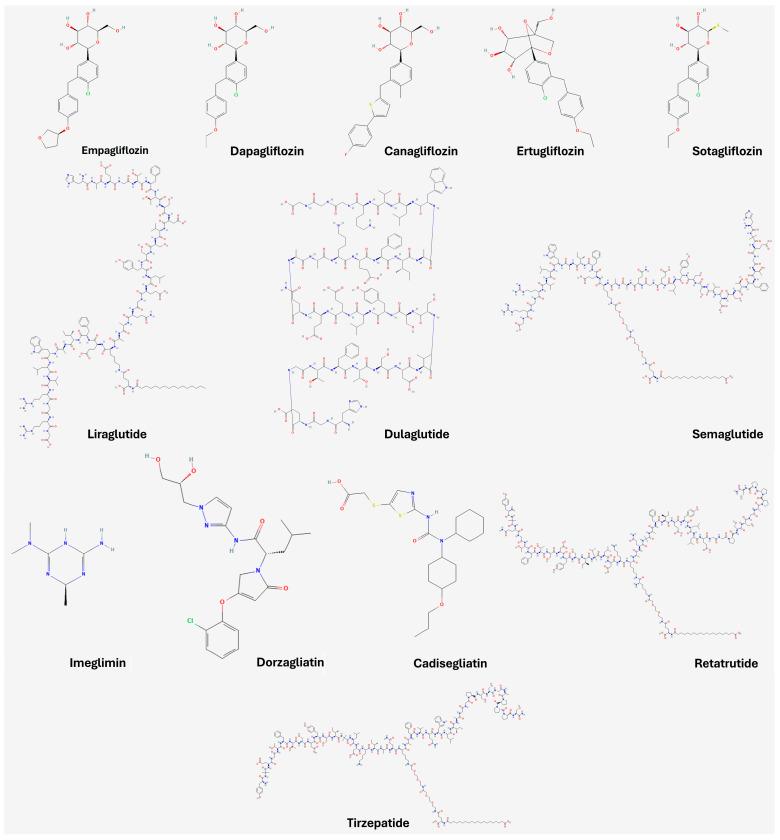
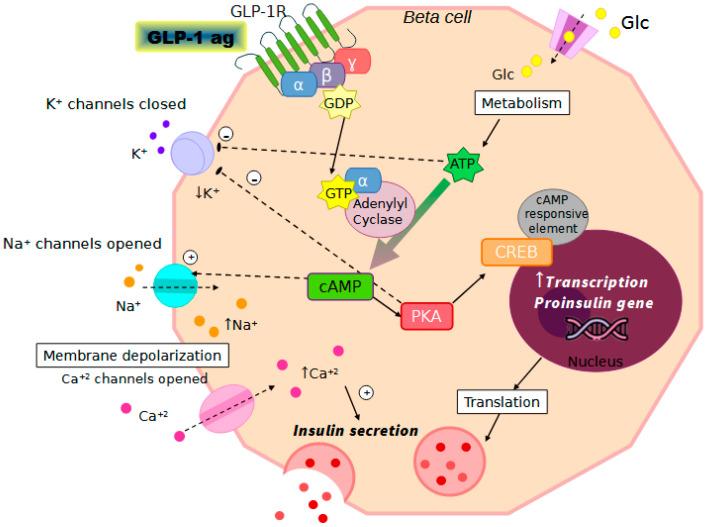
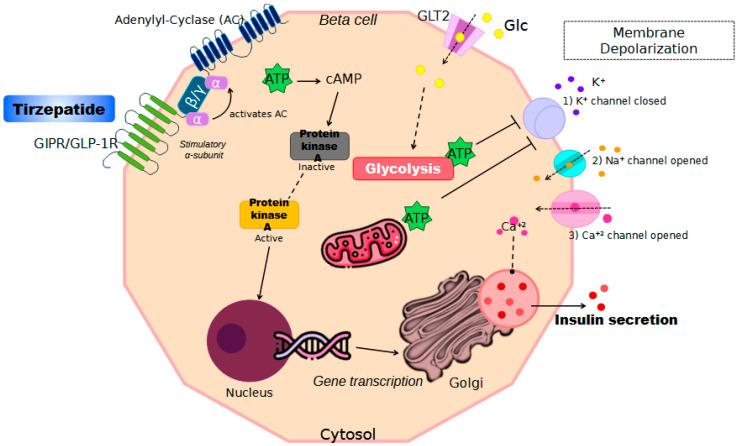
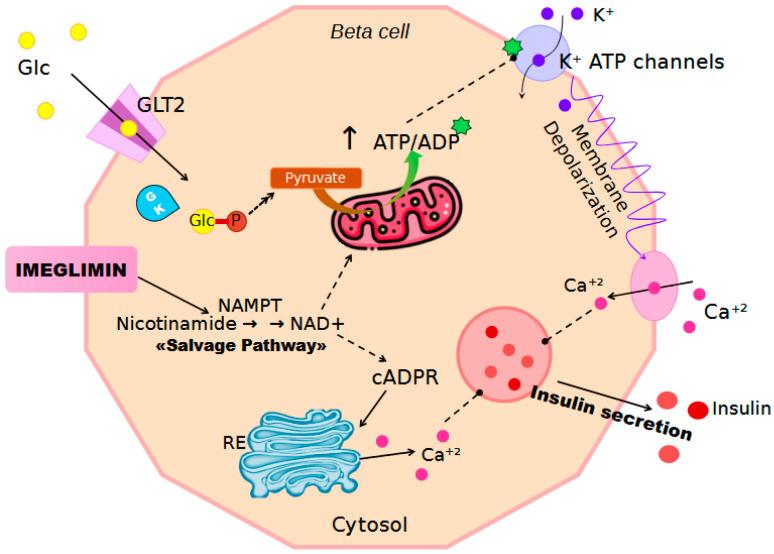
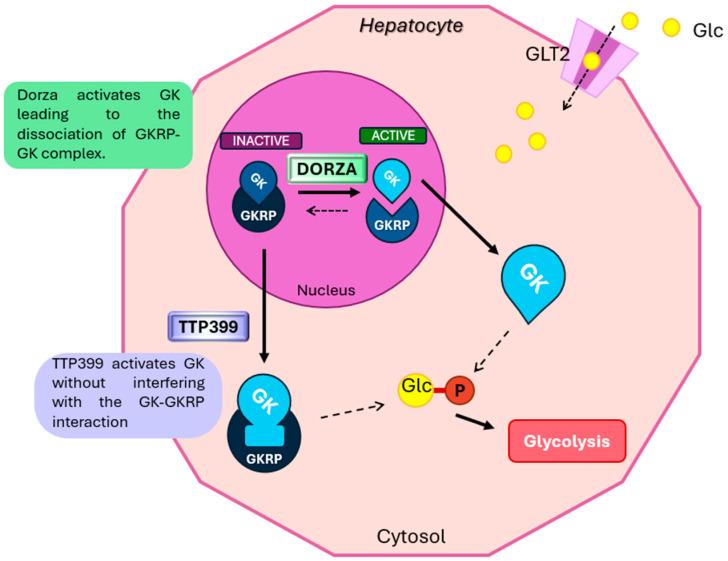
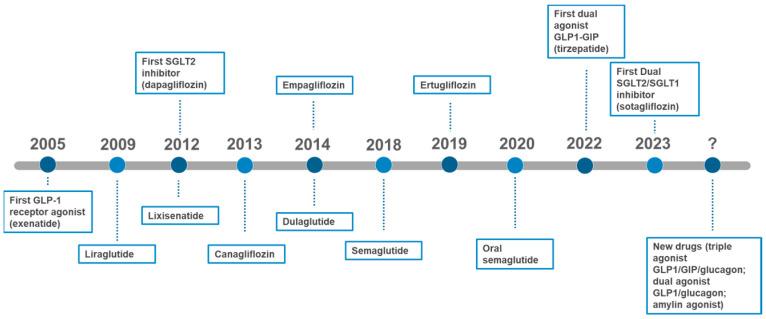
Type 2 diabetes mellitus (T2DM) is a prevalent chronic metabolic disorder characterized by insulin resistance and progressive beta cell dysfunction, presenting substantial global health and economic challenges. This review explores recent advancements in diabetes management, emphasizing novel pharmacological therapies and their physiological mechanisms. We highlight the transformative impact of Sodium-Glucose Cotransporter 2 inhibitor (SGLT2i) and Glucagon-Like Peptide 1 Receptor Agonist (GLP-1RA), which target specific physiological pathways to enhance glucose regulation and metabolic health. A key focus of this review is tirzepatide, a dual agonist of the glucose-dependent insulinotropic polypeptide (GIP) and GLP-1 receptors. Tirzepatide illustrates how integrating innovative mechanisms with established physiological pathways can significantly improve glycemic control and support weight management. Additionally, we explore emerging treatments such as glimins and glucokinase activators (GKAs), which offer novel strategies for enhancing insulin secretion and reducing glucose production. We also address future perspectives in diabetes management, including the potential of retatrutide as a triple receptor agonist and evolving guidelines advocating for a comprehensive, multifactorial approach to care. This approach integrates pharmacological advancements with essential lifestyle modifications-such as dietary changes, physical activity, and smoking cessation-to optimize patient outcomes. By focusing on the physiological mechanisms of these new therapies, this review underscores their role in enhancing T2DM management and highlights the importance of personalized care plans to address the complexities of the disease. This holistic perspective aims to improve patient quality of life and long-term health outcomes.
2型糖尿病(T2DM)是一种常见的慢性代谢紊乱疾病,其特征为胰岛素抵抗和进行性β细胞功能障碍,给全球健康和经济带来了巨大挑战。本综述探讨了糖尿病管理的最新进展,重点介绍了新型药物疗法及其生理机制。我们强调了钠-葡萄糖协同转运蛋白2抑制剂(SGLT2i)和胰高血糖素样肽1受体激动剂(GLP-1RA)的变革性影响,它们靶向特定生理途径以增强血糖调节和代谢健康。本综述的一个关键重点是替尔泊肽,它是葡萄糖依赖性促胰岛素多肽(GIP)和GLP-1受体的双重激动剂。替尔泊肽说明了将创新机制与既定生理途径相结合如何能显著改善血糖控制并支持体重管理。此外,我们还探讨了如格列明类药物和葡萄糖激酶激活剂(GKAs)等新兴治疗方法,它们为增强胰岛素分泌和减少葡萄糖生成提供了新策略。我们还阐述了糖尿病管理的未来前景,包括瑞他鲁肽作为三重受体激动剂的潜力以及不断演变的指南所倡导的全面、多因素护理方法。这种方法将药物进展与必要的生活方式改变(如饮食调整、体育锻炼和戒烟)相结合,以优化患者治疗效果。通过关注这些新疗法的生理机制,本综述强调了它们在加强T2DM管理中的作用,并突出了个性化护理计划对于应对该疾病复杂性的重要性。这种整体观点旨在改善患者生活质量和长期健康结局。

 Zotero 插件