
曲安奈德植入物治疗糖尿病性黄斑水肿的疗效与安全性:参考中心实用指南
Efficacy and Safety of Fluocinolone Acetonide Implant in Diabetic Macular Edema: Practical Guidelines from Reference Center.
作者信息
Sejournet Lucas, Mathis Thibaud, Vermot-Desroches Victor, Serra Rita, Fenniri Ines, Denis Philippe, Kodjikian Laurent
机构信息
Department of Ophthalmology, Hôpital de la Croix-Rousse, Hospices Civils de Lyon, 69004 Lyon, France.
Laboratoire MATEIS, UMR-CNRS 5510, INSA, Université Lyon 1, 69100 Villeurbanne, France.
出版信息
Pharmaceutics. 2024 Sep 7;16(9):1183. doi: 10.3390/pharmaceutics16091183.
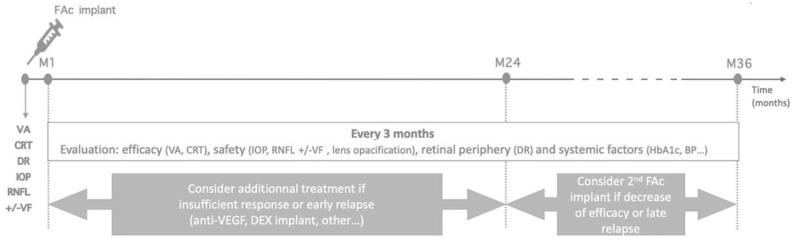
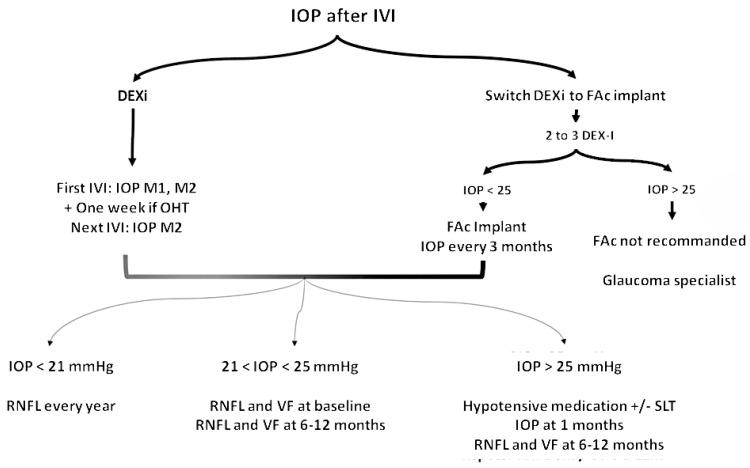
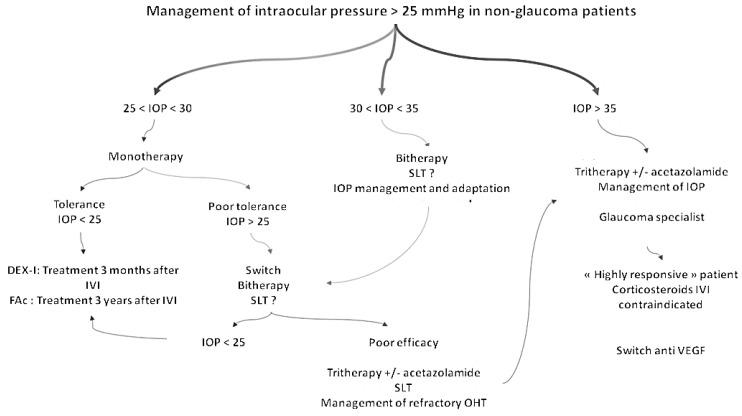
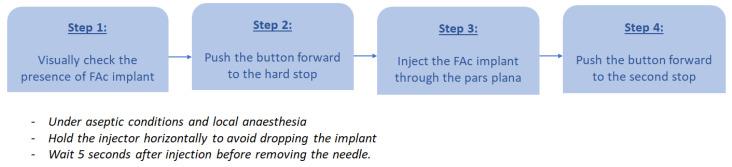
Diabetic macular edema (DME) is a common complication of diabetic retinopathy. Treatment with intravitreal injections is effective in most cases but is associated with a high therapeutic burden for patients. This implies the need for long-term treatments, such as the fluocinolone acetonide (FAc) implant. A review of basic science, pharmacology, and clinical data was conducted to provide a state-of-the-art view of the FAc implant in 2024. Although generally well tolerated, the FAc implant has been associated with ocular hypertension and cataract, and caution should be advised to the patients in this regard. By synthesizing information across these domains, a comprehensive evaluation can be attained, facilitating informed decision-making regarding the use of the FAc implant in the management of DME. The main objective of this review is to provide clinicians with guidelines on how to introduce and use the FAc implant in a patient with DME.
糖尿病性黄斑水肿(DME)是糖尿病视网膜病变的常见并发症。玻璃体内注射治疗在大多数情况下有效,但给患者带来较高的治疗负担。这意味着需要长期治疗,如氟轻松醋酸酯(FAc)植入物。本文对基础科学、药理学和临床数据进行了综述,以呈现2024年FAc植入物的最新情况。尽管FAc植入物通常耐受性良好,但它与高眼压和白内障有关,在这方面应向患者提出警示。通过综合这些领域的信息,可以进行全面评估,有助于在DME管理中就使用FAc植入物做出明智决策。本综述的主要目的是为临床医生提供关于如何在DME患者中引入和使用FAc植入物的指导方针。


 Zotero 插件