
一种含有五种不同植物提取物的正在申请专利的药膏在临床前研究中显示出抗伤害感受和抗炎机制。
A Patent-Pending Ointment Containing Extracts of Five Different Plants Showed Antinociceptive and Anti-Inflammatory Mechanisms in Preclinical Studies.
作者信息
Barragan-Galvez Juan Carlos, Gonzalez-Rivera Maria Leonor, Jiménez-Cruz Juan C, Hernandez-Flores Araceli, de la Rosa Guadalupe, Lopez-Moreno Martha L, Yañez-Barrientos Eunice, Romero-Hernández Michelle, Deveze-Alvarez Martha Alicia, Navarro-Santos Pedro, Acosta-Mata Claudia, Isiordia-Espinoza Mario Alberto, Alonso-Castro Angel Josabad
机构信息
Departamento de Farmacia, División de Ciencias Naturales y Exactas, Universidad de Guanajuato, Guanajuato 36200, Mexico.
Consejo Nacional de Humanidades, Ciencias y Tecnologías (CONAHCyT)-Instituto de Investigaciones Químico Biológicas, Universidad Michoacana de San Nicolas de Hidalgo, Morelia 58030, Mexico.
出版信息
Pharmaceutics. 2024 Sep 17;16(9):1215. doi: 10.3390/pharmaceutics16091215.
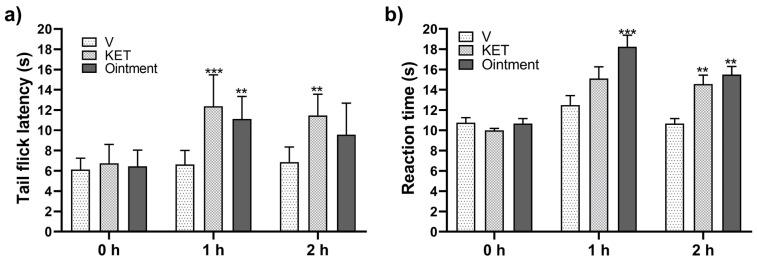
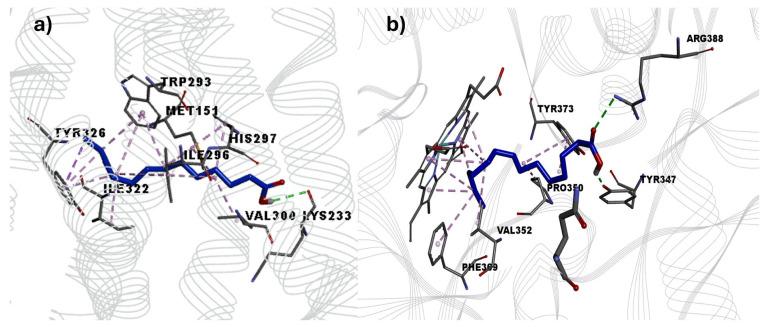
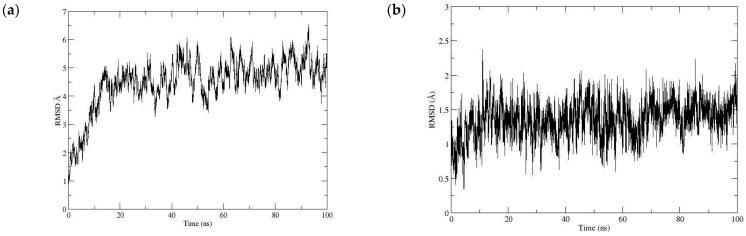
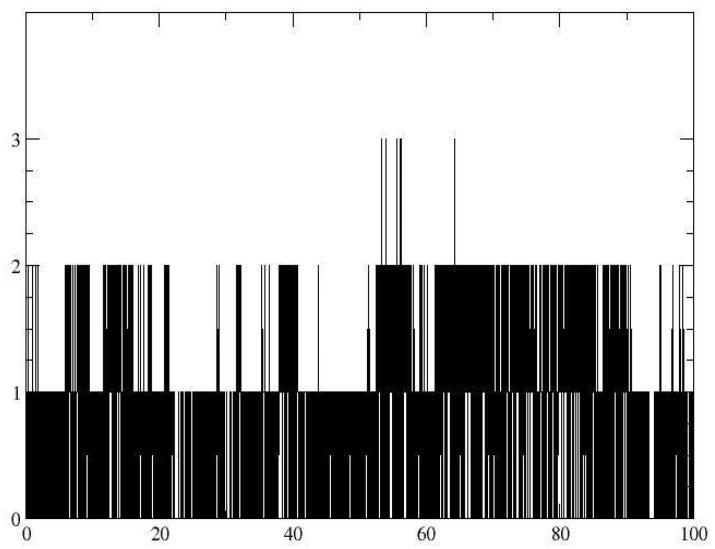
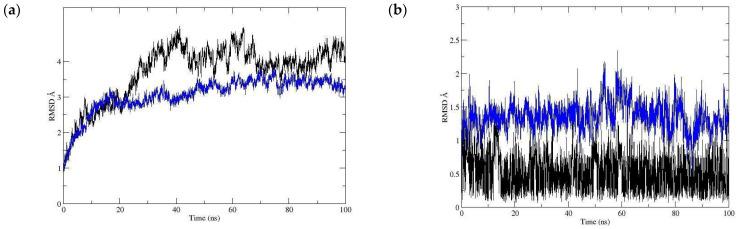
: The antinociceptive and anti-inflammatory effects of a patent-pending ointment containing plant extracts from , , , , and were evaluated. : Plant extracts were chemically characterized by gas chromatography-mass spectroscopy. The antinociceptive activity of the ointment was assessed using the hot plate, tail flick, and formalin tests, whereas the anti-inflammatory activity was measured using the acute and chronic TPA-induced ear edema tests. Mechanisms of action were evaluated using inhibitors from signaling pathways related to pain response and by using histological analysis and assessing the expression and activity of pro-inflammatory mediators. : The ointment showed antinociceptive and anti-inflammatory effects like those observed with diclofenac gel (1.16% /) and ketoprofen gel (2.5% /). The antinociceptive actions of the ointment are mediated by the possible participation of the opiodergic system and the nitric oxide pathway. The anti-inflammatory response was characterized by a decrease in myeloperoxidase (MPO) activity and by a reduction in ear swelling and monocyte infiltration in the acute inflammation model. In the chronic model, the mechanism of action relied on a decrease in pro-inflammatory mediators such as COX-2, IL-1β, TNF-α, and MPO. An in-silico study with myristic acid, one of the compounds identified in the ointment's plant mixture, corroborated the in vivo results. : The ointment showed antinociceptive activities mediated by the decrease in COX-2 and NO levels, and anti-inflammatory activity due to the reduction in IL-1β and TNFα levels, a reduction in MPO activity, and a decrease in NF-κB and COX-2 expression.
对一种含有来自[植物名称1]、[植物名称2]、[植物名称3]、[植物名称4]和[植物名称5]植物提取物的正在申请专利的软膏的镇痛和抗炎作用进行了评估。植物提取物通过气相色谱 - 质谱联用进行化学表征。使用热板法、甩尾法和福尔马林试验评估软膏的镇痛活性,而使用急性和慢性佛波酯诱导的耳部水肿试验测量抗炎活性。使用与疼痛反应相关信号通路的抑制剂,通过组织学分析以及评估促炎介质的表达和活性来评估作用机制。该软膏表现出与双氯芬酸凝胶(1.16% /)和酮洛芬凝胶(2.5% /)类似的镇痛和抗炎作用。该软膏的镇痛作用可能通过阿片样物质系统和一氧化氮途径的参与介导。抗炎反应的特征是在急性炎症模型中髓过氧化物酶(MPO)活性降低以及耳部肿胀和单核细胞浸润减少。在慢性模型中,作用机制依赖于促炎介质如COX - 2、IL - 1β、TNF - α和MPO的减少。对软膏植物混合物中鉴定出的化合物之一肉豆蔻酸进行的计算机模拟研究证实了体内实验结果。该软膏表现出由COX - 2和NO水平降低介导的镇痛活性,以及由于IL - 1β和TNFα水平降低、MPO活性降低以及NF - κB和COX - 2表达减少而产生的抗炎活性。




 Zotero 插件