
人为来源的微粒(微塑料和微纤维)在砂质沉积物中的分布:来自意大利卡拉布里亚的案例研究。
Microparticles of anthropogenic origin (microplastics and microfibers) in sandy sediments: A case study from calabria, italy.
机构信息
Department of Environment, Land and Infrastructure Engineering (DIATI), Politecnico Di Torino, Corso Duca Degli Abruzzi 24, 10129, Turin, Italy.
Politecnico Di Torino, Corso Duca Degli Abruzzi 24, 10129, Turin, Italy.
出版信息
Environ Monit Assess. 2024 Oct 1;196(10):993. doi: 10.1007/s10661-024-13159-z.
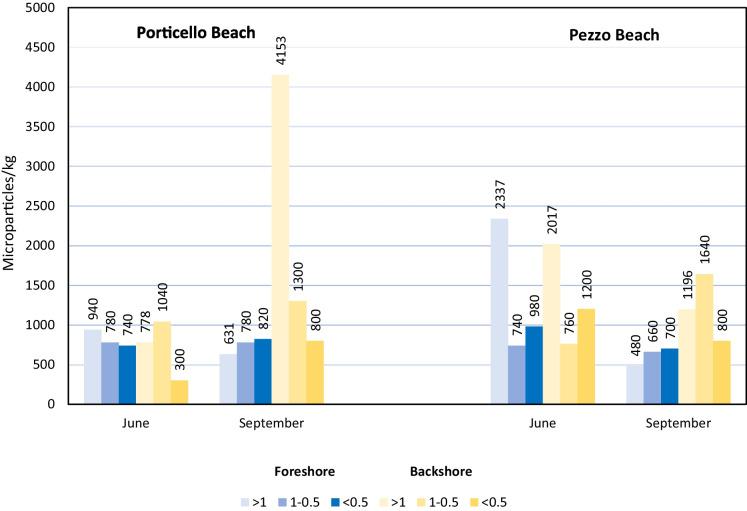
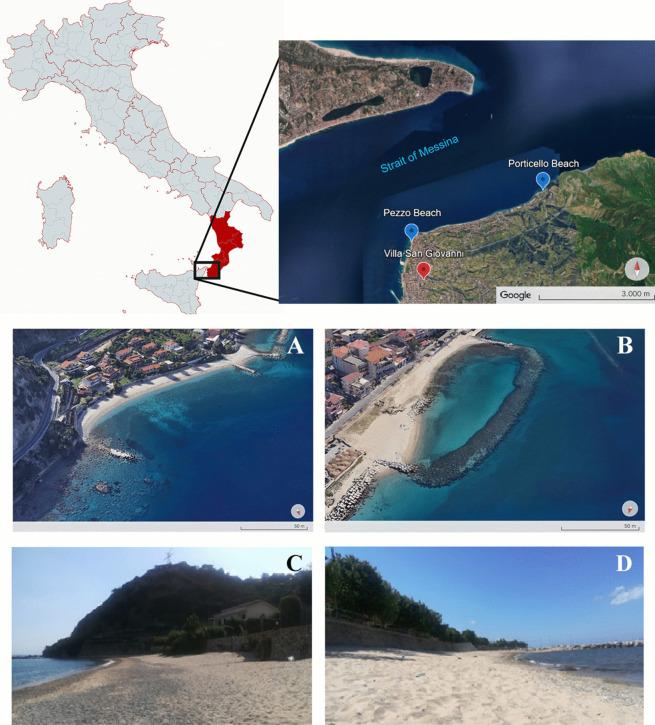
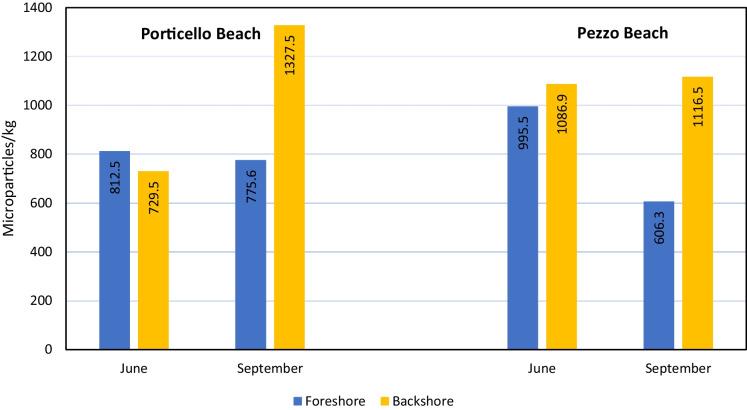
Microparticles of anthropogenic origin, such as microplastics and microfibers, are pervasive pollutants in the marine environment of the world. These microparticles pollute water and can be ingested by biota; however, while microplastics are often monitored, very few studies focus on microfibers. Coastal areas, such as beaches, are more vulnerable to pollution due to their location between terrestrial and marine environments and their recreational and touristic functions. In this study, microparticle occurrence frequency was investigated along the Calabria coast, Italy, in one touristic beach in comparison with an unpopular one. High amounts of microparticles of anthropogenic origin were found in all sediment samples, despite the evident different tourist exploitation of the two examined beaches. Sediments of the most touristic beach had values between 729.5 ± 212.3 and 1327 ± 125.8 items/kg, instead, the less popular beach between 606.3 ± 102.8 and 1116.5 ± 226.9 items/kg (average and st. dev). Microparticle abundance varied before and after the touristic summer season, increasing in the most popular beach and decreasing in the unpopular one. Differences in microparticle abundance between foreshore and backshore were present too; however, statistical analyses did not show evident relations between microparticle abundance and the distance from the see. Grain size influenced the abundance of microparticles in sediments. Our results improve knowledge on microparticle pollution in marine environments, highlighting information about micropollution in coastal areas. Future studies are needed to understand better microparticle dynamics and ecological impacts in marine and terrestrial systems, implementing new strategies to monitor pollution state, enhancing the natural intermediate environments, and providing useful and sustainable measure of conservation.
人为来源的微粒,如微塑料和微纤维,是世界海洋环境中普遍存在的污染物。这些微粒污染了水,并可能被生物群摄入;然而,虽然微塑料经常受到监测,但很少有研究关注微纤维。由于其位于陆地和海洋环境之间以及其娱乐和旅游功能,沿海地区,如海滩,更容易受到污染。在这项研究中,沿着意大利卡拉布里亚海岸,在一个旅游海滩和一个不那么受欢迎的海滩比较了微粒子出现频率。尽管两个被检查的海滩的旅游开发明显不同,但在所有沉积物样本中都发现了大量的人为来源的微粒子。最受欢迎的海滩的沉积物中,微粒子的含量在 729.5±212.3 和 1327±125.8 个/千克之间,而不太受欢迎的海滩则在 606.3±102.8 和 1116.5±226.9 个/千克之间(平均值和标准差)。微粒子丰度在旅游夏季前后有所变化,在最受欢迎的海滩增加,在不受欢迎的海滩减少。前滨和后滨之间的微粒子丰度也存在差异;然而,统计分析并没有显示出微粒子丰度与距海距离之间存在明显的关系。粒度影响沉积物中微粒子的丰度。我们的研究结果提高了对海洋环境中微粒子污染的认识,强调了沿海地区微污染的信息。未来的研究需要更好地了解海洋和陆地系统中微粒子的动态和生态影响,实施新的策略来监测污染状况,加强自然中间环境,并提供有用和可持续的保护措施。

 Zotero 插件