
创伤性脑损伤后脑-肠-微生物群轴的双向调节
Bidirectional regulation of the brain-gut-microbiota axis following traumatic brain injury.
作者信息
You Xinyu, Niu Lin, Fu Jiafeng, Ge Shining, Shi Jiangwei, Zhang Yanjun, Zhuang Pengwei
机构信息
National Key Laboratory of Chinese Medicine Modernization, Tianjin University of Traditional Chinese Medicine, Tianjin, China.
Haihe Laboratory of Modern Chinese Medicine, Tianjin University of Traditional Chinese Medicine, Tianjin, China.
出版信息
Neural Regen Res. 2025 Aug 1;20(8):2153-2168. doi: 10.4103/NRR.NRR-D-24-00088. Epub 2024 Jul 10.
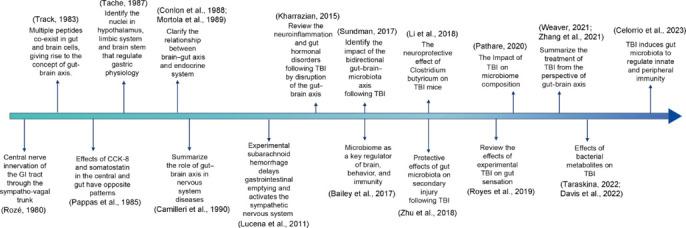
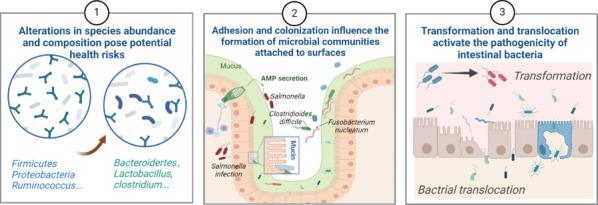
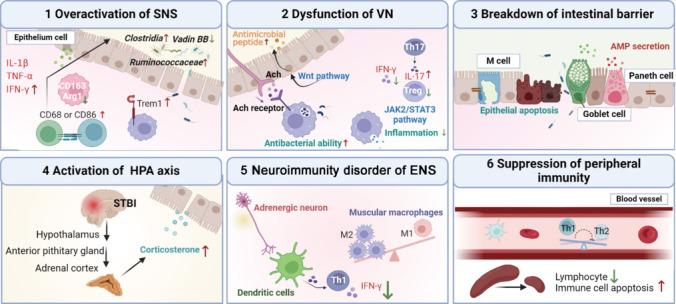
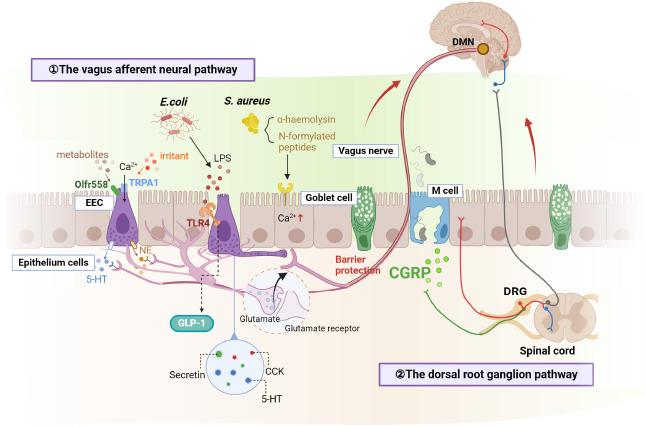
JOURNAL/nrgr/04.03/01300535-202508000-00002/figure1/v/2024-09-30T120553Z/r/image-tiff Traumatic brain injury is a prevalent disorder of the central nervous system. In addition to primary brain parenchymal damage, the enduring biological consequences of traumatic brain injury pose long-term risks for patients with traumatic brain injury; however, the underlying pathogenesis remains unclear, and effective intervention methods are lacking. Intestinal dysfunction is a significant consequence of traumatic brain injury. Being the most densely innervated peripheral tissue in the body, the gut possesses multiple pathways for the establishment of a bidirectional "brain-gut axis" with the central nervous system. The gut harbors a vast microbial community, and alterations of the gut niche contribute to the progression of traumatic brain injury and its unfavorable prognosis through neuronal, hormonal, and immune pathways. A comprehensive understanding of microbiota-mediated peripheral neuroimmunomodulation mechanisms is needed to enhance treatment strategies for traumatic brain injury and its associated complications. We comprehensively reviewed alterations in the gut microecological environment following traumatic brain injury, with a specific focus on the complex biological processes of peripheral nerves, immunity, and microbes triggered by traumatic brain injury, encompassing autonomic dysfunction, neuroendocrine disturbances, peripheral immunosuppression, increased intestinal barrier permeability, compromised responses of sensory nerves to microorganisms, and potential effector nuclei in the central nervous system influenced by gut microbiota. Additionally, we reviewed the mechanisms underlying secondary biological injury and the dynamic pathological responses that occur following injury to enhance our current understanding of how peripheral pathways impact the outcome of patients with traumatic brain injury. This review aimed to propose a conceptual model for future risk assessment of central nervous system-related diseases while elucidating novel insights into the bidirectional effects of the "brain-gut-microbiota axis."
《创伤性脑损伤是中枢神经系统的一种常见疾病。除原发性脑实质损伤外,创伤性脑损伤的持久生物学后果给创伤性脑损伤患者带来长期风险;然而,其潜在发病机制仍不清楚,且缺乏有效的干预方法。肠道功能障碍是创伤性脑损伤的一个重要后果。肠道作为人体中神经支配最密集的外周组织,拥有与中枢神经系统建立双向“脑-肠轴”的多种途径。肠道中栖息着大量微生物群落,肠道生态位的改变通过神经、激素和免疫途径促进创伤性脑损伤的进展及其不良预后。需要全面了解微生物群介导的外周神经免疫调节机制,以加强创伤性脑损伤及其相关并发症的治疗策略。我们全面回顾了创伤性脑损伤后肠道微生态环境的变化,特别关注创伤性脑损伤引发的外周神经、免疫和微生物的复杂生物学过程,包括自主神经功能障碍、神经内分泌紊乱、外周免疫抑制、肠屏障通透性增加、感觉神经对微生物的反应受损以及肠道微生物群影响的中枢神经系统潜在效应核。此外,我们还回顾了继发性生物损伤的潜在机制以及损伤后发生的动态病理反应,以加深我们目前对外周途径如何影响创伤性脑损伤患者预后的理解。本综述旨在为未来中枢神经系统相关疾病的风险评估提出一个概念模型,同时阐明“脑-肠-微生物群轴”双向效应的新见解。》
 Zotero 插件