
以水为氢源的电驱动有机加氢反应。
Electricity-driven organic hydrogenation using water as the hydrogen source.
作者信息
Kundu Bidyut Kumar, Sun Yujie
机构信息
Department of Chemistry, University of Cincinnati Cincinnati Ohio 45221 USA
出版信息
Chem Sci. 2024 Sep 26;15(40):16424-35. doi: 10.1039/d4sc03836c.
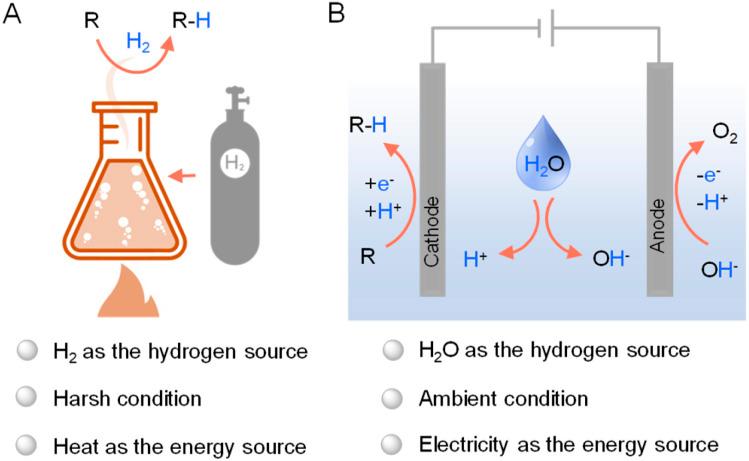
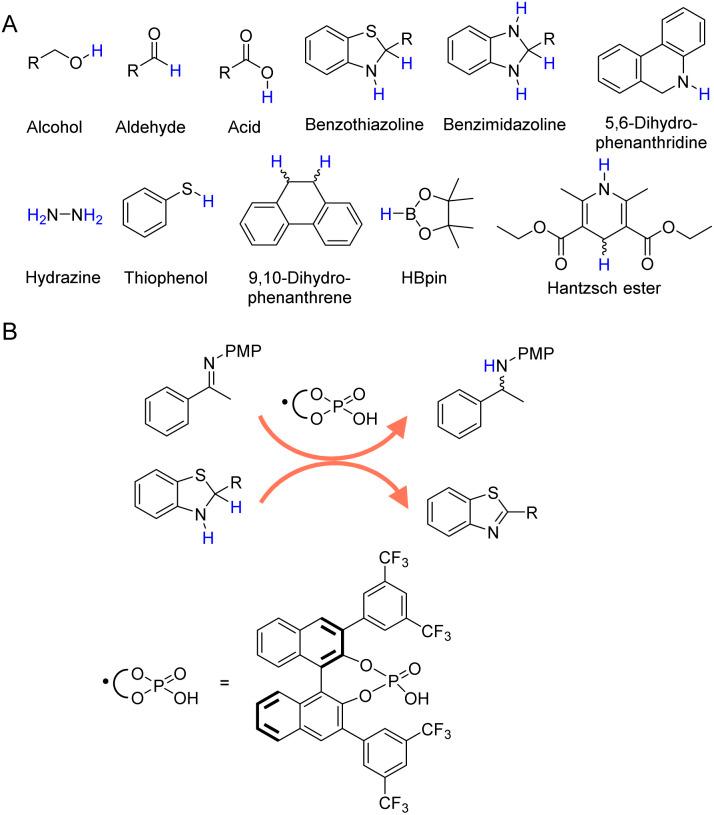
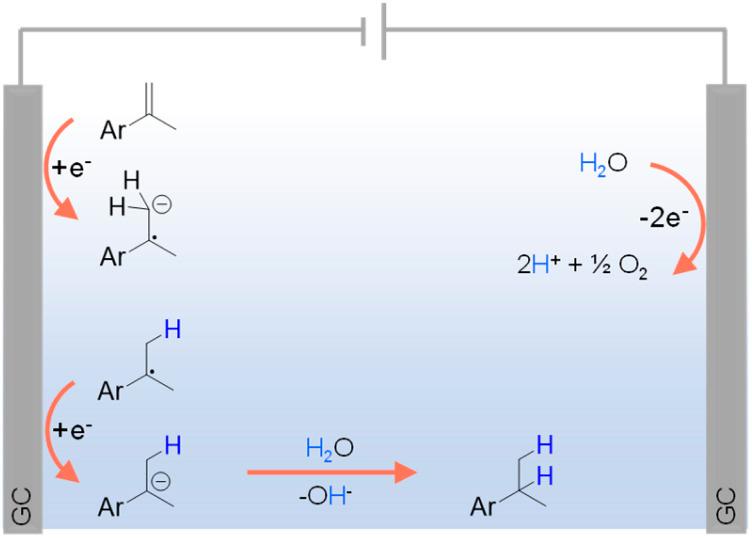
Hydrogenation is a pivotal process in organic synthesis and various catalytic strategies have been developed in achieving effective hydrogenation of diverse substrates. Despite the competence of these methods, the predominant reliance on molecular hydrogen (H) gas under high temperature and elevated pressure presents operational challenges. Other alternative hydrogen sources such as inorganic hydrides and organic acids are often prohibitively expensive, limiting their practical utility on a large scale. In contrast, employing water as a hydrogen source for organic hydrogenation presents an attractive and sustainable alternative, promising to overcome the drawbacks associated with traditional hydrogen sources. Integrated with electricity as the sole driving force under ambient conditions, hydrogenation using water as the sole hydrogen source aligns well with the environmental sustainability goals but also offers a safer and potentially more cost-effective solution. This article starts with the discussion on the inherent advantages and limitations of conventional hydrogen sources compared to water in hydrogenation reactions, followed by the introduction of representative electrocatalytic systems that successfully utilize water as the hydrogen source in realizing a large number of organic hydrogenation transformations, with a focus on heterogeneous electrocatalysts. In summary, transitioning to water as a hydrogen source in organic hydrogenation represents a promising direction for sustainable chemistry. In particular, by exploring and optimizing electrocatalytic hydrogenation systems, the chemical industry can reduce its reliance on hazardous and expensive hydrogen sources, paving the way for safer, greener, and less energy-intensive hydrogenation processes.
氢化是有机合成中的关键过程,人们已经开发出各种催化策略来实现对多种底物的有效氢化。尽管这些方法很有效,但在高温高压下主要依赖分子氢(H₂)气体带来了操作上的挑战。其他替代氢源,如无机氢化物和有机酸,往往价格昂贵,限制了它们在大规模应用中的实用性。相比之下,将水用作有机氢化的氢源是一种有吸引力且可持续的替代方案,有望克服与传统氢源相关的缺点。在环境条件下以电作为唯一驱动力,以水作为唯一氢源的氢化不仅符合环境可持续性目标,还提供了一种更安全且可能更具成本效益的解决方案。本文首先讨论了在氢化反应中,与水相比传统氢源的固有优点和局限性,接着介绍了一些代表性的电催化体系,这些体系成功地利用水作为氢源实现了大量有机氢化转化,重点是多相电催化剂。总之,在有机氢化中转向以水作为氢源是可持续化学的一个有前景的方向。特别是,通过探索和优化电催化氢化体系,化学工业可以减少对危险且昂贵的氢源的依赖,为更安全、更环保且能源密集度更低的氢化过程铺平道路。







 Zotero 插件