
单纯疱疹病毒 1 编码的 CCCTC 结合因子 CTRL2 影响单纯疱疹病毒 1 裂解感染过程中病毒染色质的性质。
The HSV-1 encoded CCCTC-binding factor, CTRL2, impacts the nature of viral chromatin during HSV-1 lytic infection.
机构信息
Department of Ophthalmology and Visual Sciences, University of Wisconsin- Madison, Madison, Wisconsin, United States of America.
College of Life sciences, Hebei University, Baoding, China.
出版信息
PLoS Pathog. 2024 Oct 7;20(10):e1012621. doi: 10.1371/journal.ppat.1012621. eCollection 2024 Oct.
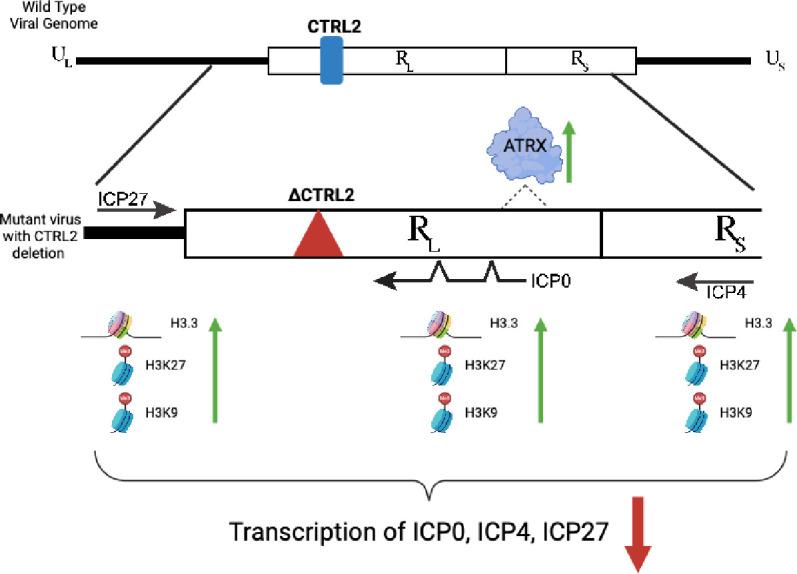
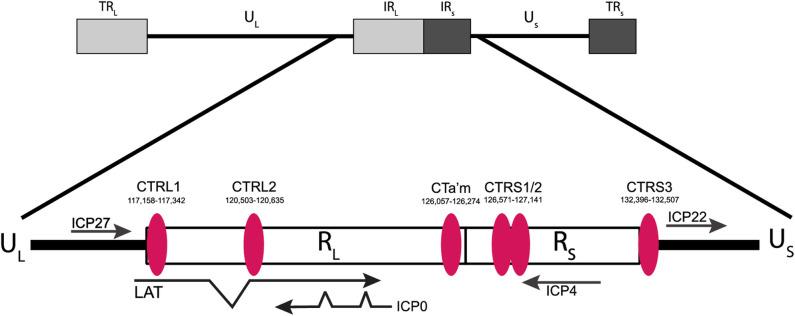
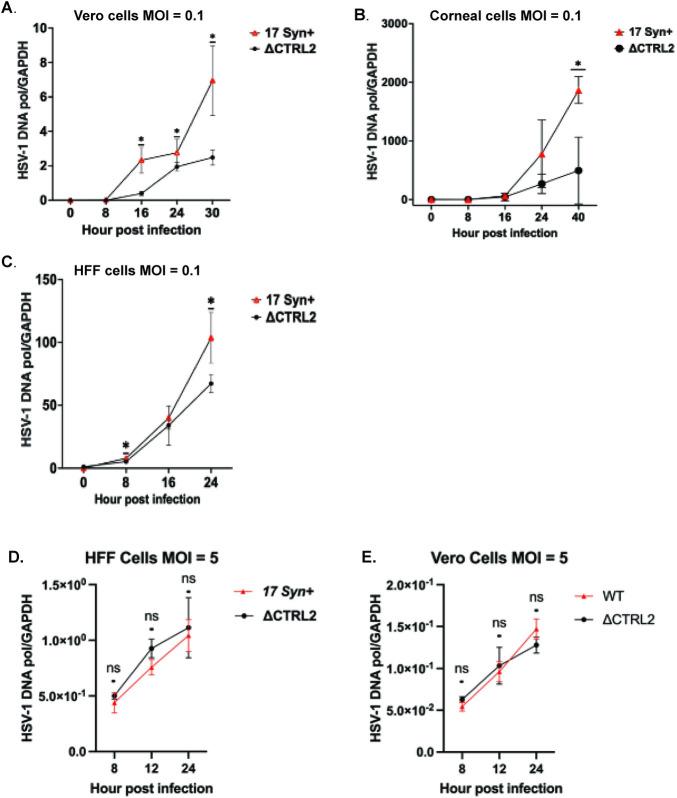
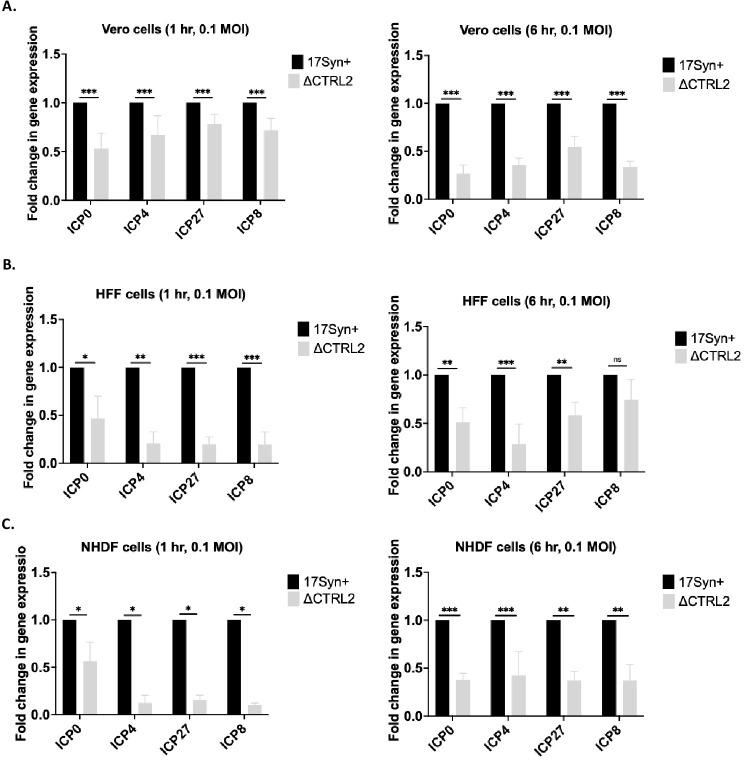
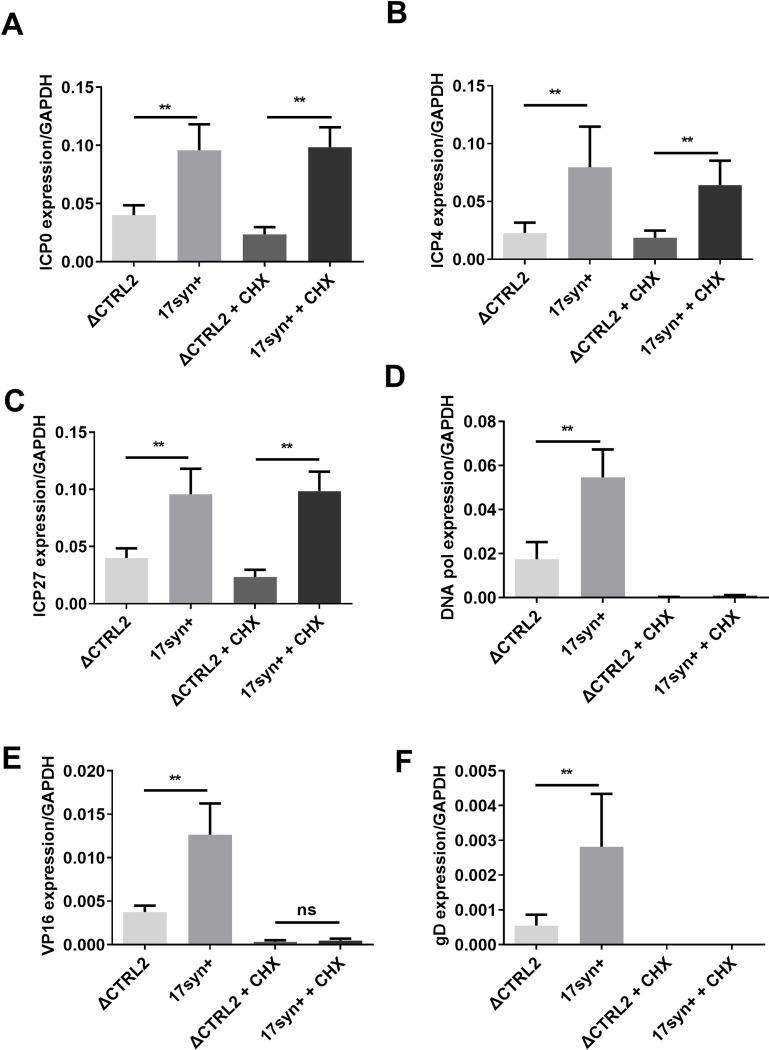
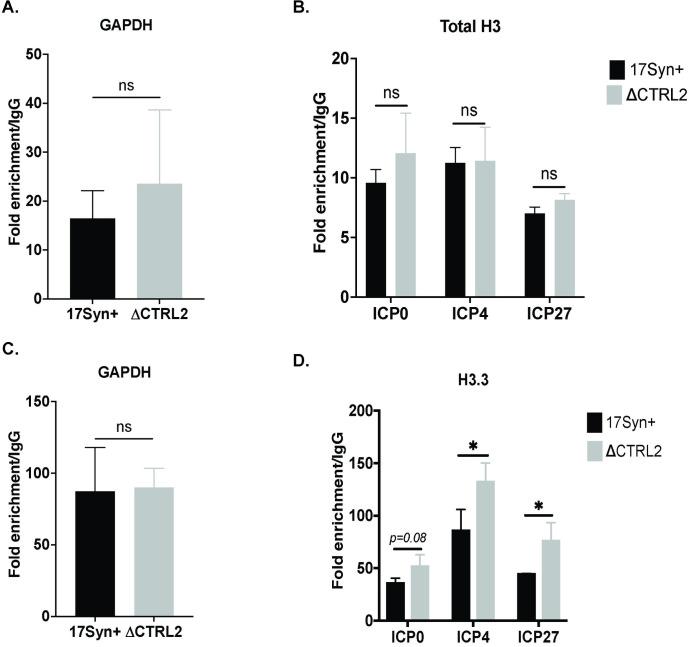
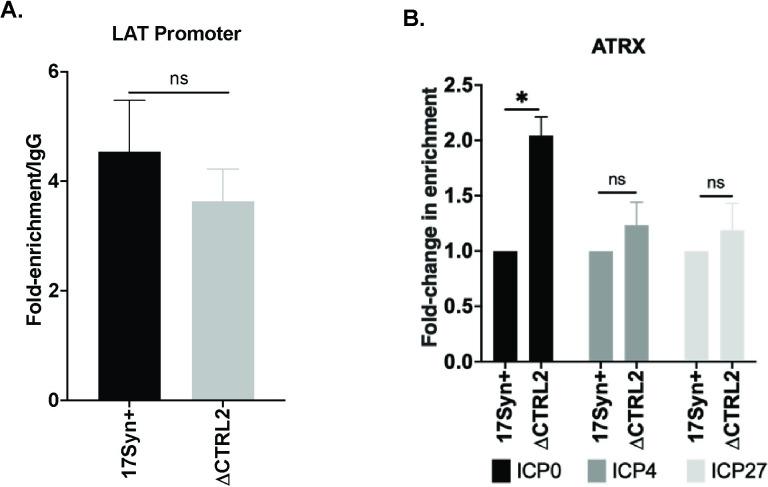
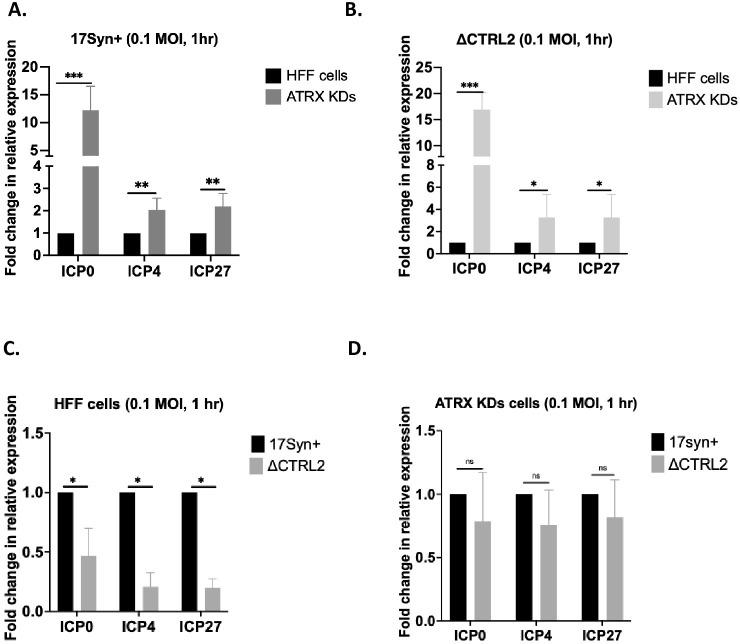
HSV-1 genomes are rapidly heterochromatinized following entry by host cells to limit viral gene expression. Efficient HSV-1 genome replication requires mechanisms that de-repress chromatin associated with the viral genome. CCCTC-binding factors, or CTCF insulators play both silencing and activating roles in cellular transcriptional regulation. Importantly, the HSV-1 genome encodes several CTCF insulators that flank IE genes, implying that individual HSV-1 encoded CTCF insulators regulate IE transcription during all stages of the HSV-1 life cycle. We previously reported that the HSV-1 encoded CTCF insulator located downstream of the LAT (CTRL2) controlled IE gene silencing during latency. To further characterize the role of this insulator during the lytic infection we leveraged a ΔCTRL2 recombinant virus to show that there was a genome replication defect that stemmed from decreased IE gene expression in fibroblasts and epithelial cells at early times following initiation of infection. Further experiments indicated that the defect in gene expression resulted from chromatin inaccessibility in the absence of the insulator. To elucidate how chromatin accessibility was altered in the absence of the CTRL2 insulator, we showed that enrichment of Alpha-thalassemia/mental retardation, X-linked chromatin remodeler (ATRX), and the histone variant H3.3, both of which are known for their roles in maintaining repressive histone markers on the HSV-1 viral genome were increased on IE regions of HSV-1. Finally, both H3K27me3 and H3K9me3 repressive histone marks remained enriched by 4 hours post infection in the absence of the CTRL2 insulator, confirming that the CTRL2 insulator is required for de-repression of IE genes of viral genomes. To our knowledge these are the first data that show that a specific CTCF insulator in the HSV-1 genome (CTRL2) regulates chromatin accessibility during the lytic infection.
单纯疱疹病毒 1(HSV-1)基因组在进入宿主细胞后迅速异染色质化,以限制病毒基因的表达。有效的 HSV-1 基因组复制需要解除与病毒基因组相关的染色质的抑制机制。CCCTC 结合因子(CCCTC-binding factors),或 CTCF 绝缘子,在细胞转录调控中发挥着沉默和激活的作用。重要的是,HSV-1 基因组编码了几个侧翼 IE 基因的 CTCF 绝缘子,这意味着单个 HSV-1 编码的 CTCF 绝缘子在 HSV-1 生命周期的所有阶段调节 IE 转录。我们之前报道过,位于 LAT(CTRL2)下游的 HSV-1 编码 CTCF 绝缘子控制潜伏期间的 IE 基因沉默。为了进一步描述该绝缘子在裂解感染中的作用,我们利用 ΔCTRL2 重组病毒表明,在感染开始后的早期,在成纤维细胞和上皮细胞中,IE 基因的表达减少,导致基因组复制缺陷。进一步的实验表明,由于没有绝缘子,染色质不可接近,导致基因表达缺陷。为了阐明在没有 CTRL2 绝缘子的情况下,染色质可接近性如何发生变化,我们表明,在缺乏 CTRL2 绝缘子的情况下,Alpha-地中海贫血/智力低下,X 连锁染色质重塑因子(ATRX)和组蛋白变体 H3.3 的富集增加,这两种蛋白都以其在维持 HSV-1 病毒基因组上抑制性组蛋白标记方面的作用而闻名。最后,在缺乏 CTRL2 绝缘子的情况下,IE 区域的 HSV-1 中,H3K27me3 和 H3K9me3 抑制性组蛋白标记在感染后 4 小时内仍保持富集,这证实了 CTRL2 绝缘子是 IE 基因去抑制病毒基因组所必需的。据我们所知,这些是首次表明 HSV-1 基因组中特定的 CTCF 绝缘子(CTRL2)在裂解感染过程中调节染色质可接近性的数据。



 Zotero 插件