
抗呼吸道合胞病毒抗体对儿童的保护作用。
Antibody-mediated protection against respiratory syncytial virus in children.
机构信息
National Heart and Lung Institute, Imperial College London, London, UK.
Sanofi, Lyon, France.
出版信息
Eur Respir Rev. 2024 Oct 9;33(174). doi: 10.1183/16000617.0106-2024. Print 2024 Oct.
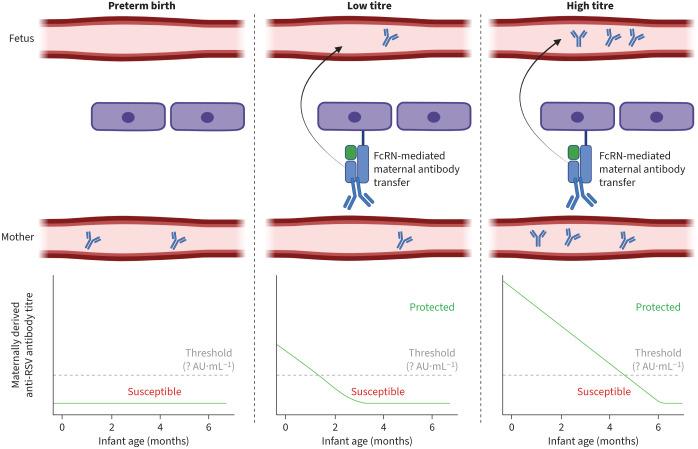
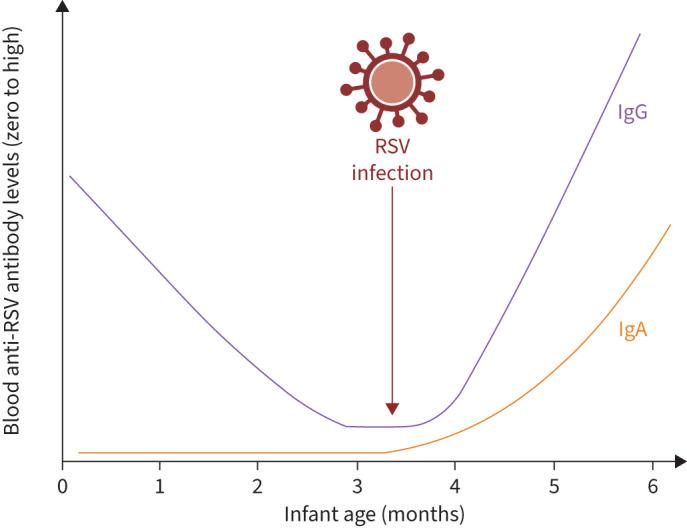
Respiratory syncytial virus (RSV) is a major global pathogen, causing lower respiratory tract disease in at-risk populations including young children. Antibodies form a crucial layer of protection from RSV disease, particularly in immunologically naïve infants. Such antibodies are derived from the mother transplacental transfer and breast milk, but may be particularly low in high-risk infants such as those born preterm. Maternally derived antibodies can now be supplemented by the administration of anti-RSV monoclonal antibodies, while a rising wave of maternal and paediatric vaccine strategies are approaching. The implementation of these prophylactics may profoundly decrease the healthcare burden of RSV. In this article, we review the role of antibody-mediated immunity in protecting children from RSV. We focus on maternally derived antibodies as the main source of protection against RSV and study factors that influence the scale of this transfer. The role of passive and active prophylactic approaches in protecting infants against RSV are discussed and knowledge gaps in our understanding of antibody-mediated protection against RSV are identified.
呼吸道合胞病毒(RSV)是一种主要的全球病原体,可导致包括幼儿在内的高危人群下呼吸道疾病。抗体是预防 RSV 疾病的关键保护层,特别是在免疫原性未成熟的婴儿中。这些抗体来源于母体经胎盘转移和母乳,但在早产儿等高危婴儿中可能特别低。现在,可以通过给予抗 RSV 单克隆抗体来补充母体来源的抗体,同时越来越多的母体和儿科疫苗策略也在出现。这些预防措施的实施可能会极大地减轻 RSV 对医疗保健的负担。在本文中,我们回顾了抗体介导的免疫在保护儿童免受 RSV 侵害方面的作用。我们重点关注母体来源的抗体作为预防 RSV 的主要保护来源,并研究影响这种转移规模的因素。讨论了被动和主动预防措施在保护婴儿免受 RSV 侵害方面的作用,并确定了我们对抗体介导的 RSV 保护作用的理解中的知识空白。
 Zotero 插件