
身体成分作为预测慢性肾脏病进展风险的潜在影像学生物标志物。
Body composition as a potential imaging biomarker for predicting the progression risk of chronic kidney disease.
作者信息
Liao Zhouyan, Yuan Guanjie, He Kangwen, Li Shichao, Gao Mengmeng, Liang Ping, Xu Chuou, Chu Qian, Han Min, Li Zhen
机构信息
Department of Radiology, Tongji Hospital, Tongji Medical College, Huazhong University of Science and Technology, Wuhan, China.
Department of Oncology, Tongji Hospital, Tongji Medical College, Huazhong University of Science and Technology, Wuhan, China.
出版信息
Insights Imaging. 2024 Oct 14;15(1):247. doi: 10.1186/s13244-024-01826-1.
PURPOSE
To investigate whether the body composition parameters can be employed as potential biomarkers for predicting the progression risk of chronic kidney disease (CKD).
MATERIALS AND METHODS
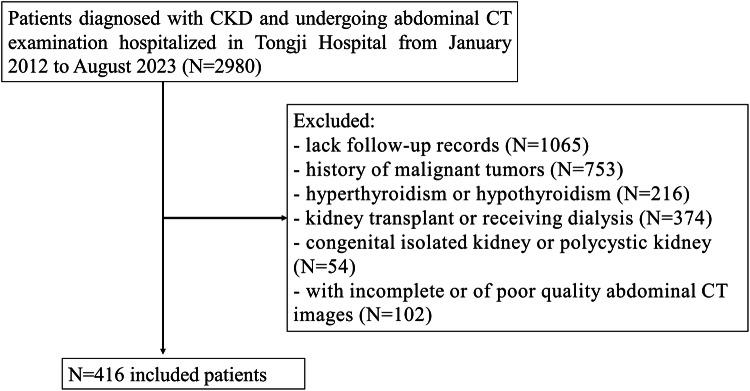
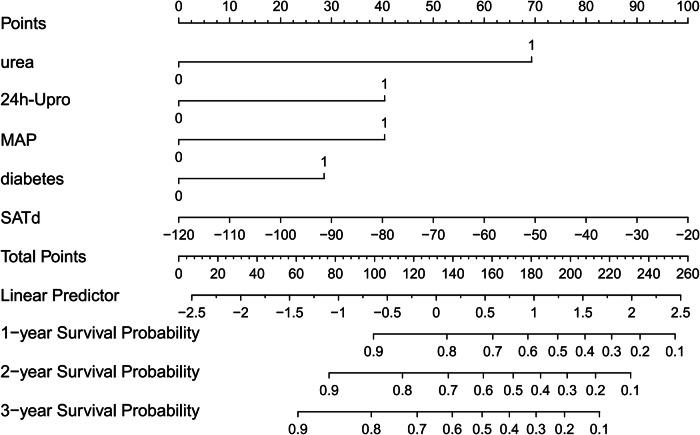
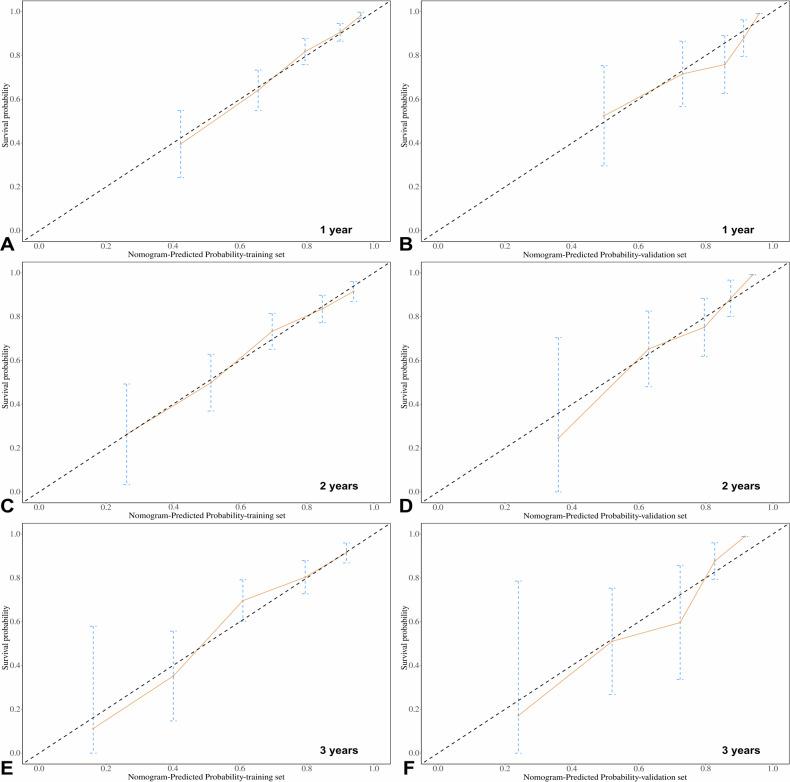
Four hundred sixteen patients diagnosed with CKD were included in this retrospective study. Patients with a greater than 50% decline in estimated glomerular filtration rate or progression to end-stage kidney disease were in the high-risk group, otherwise, they were in a low-risk group. Body composition area, the index, and radiodensities in the Hounsfield unit (HU), which reflect the degree of X-ray absorption, were measured on abdominal CT images. Risk factors in body composition and clinical parameters of CKD were identified by Cox regression and utilized to construct the nomogram. The performance of the nomogram was assessed using time receiver operating characteristics curves, calibration curves, and decision curve analysis.
RESULTS
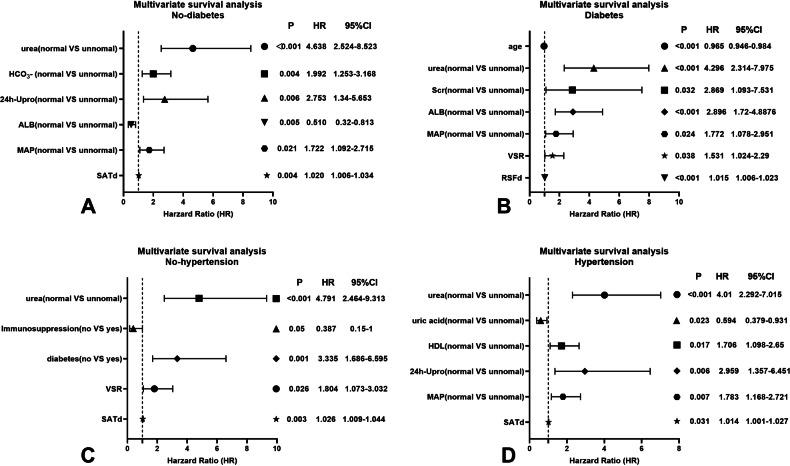
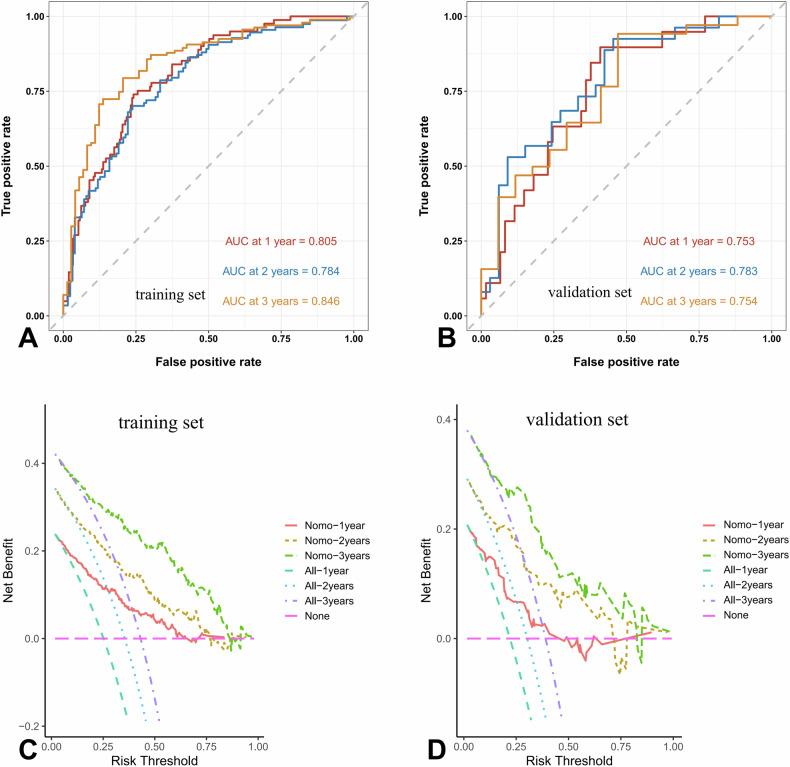
There were 254 patients in low-risk group and 162 in high-risk group (268 males, 148 females, mean age: 55.89 years). Urea, diabetes, 24 h-urinary protein, mean arterial pressure, and subcutaneous adipose tissue radiodensity (SATd) were valuable indicators for predicting the high-risk group. The area under curve values for the nomogram of training/validation set at 1 year, 2 years, and 3 years were 0.805/0.753, 0.784/0.783, and 0.846/0.754, respectively. For diabetic CKD patients, extra attention needs to be paid to visceral to subcutaneous fat ratio and renal sinus fat radiodensity.
CONCLUSION
SATd was the most valuable noninvasive indicator of all body composition parameters for predicting high-risk populations with CKD. The nomogram we constructed has generalization with easily obtainable indicators, good performance, differentiation, and clinical practicability.
CRITICAL RELEVANCE STATEMENT
Radiodensity rather than an area of adipose tissue can be used as a new biomarker of prognosis for CKD patients, providing new insights into risk assessment, stratified management, and treatment for CKD patients.
KEY POINTS
Obesity is an independent risk factor for the development and prognosis of CKD. Adipose tissue radiodensity is more valuable than fat area in prognosticating for kidney disease. Parameters that prognosticate in diabetic CKD patients are different from those in other CKD patients.
目的
探讨身体成分参数是否可作为预测慢性肾脏病(CKD)进展风险的潜在生物标志物。
材料与方法
本回顾性研究纳入了416例确诊为CKD的患者。估计肾小球滤过率下降超过50%或进展为终末期肾病的患者为高危组,否则为低危组。在腹部CT图像上测量反映X线吸收程度的身体成分面积、指数以及亨氏单位(HU)中的放射密度。通过Cox回归确定CKD身体成分和临床参数中的危险因素,并用于构建列线图。使用时间接收者操作特征曲线、校准曲线和决策曲线分析评估列线图的性能。
结果
低危组有254例患者,高危组有162例患者(男性268例,女性148例,平均年龄:55.89岁)。尿素、糖尿病、24小时尿蛋白、平均动脉压和皮下脂肪组织放射密度(SATd)是预测高危组的有价值指标。训练/验证集列线图在1年、2年和3年时的曲线下面积值分别为0.805/0.753、0.784/0.783和0.846/0.754。对于糖尿病CKD患者,需要特别关注内脏与皮下脂肪比例以及肾窦脂肪放射密度。
结论
SATd是所有身体成分参数中预测CKD高危人群最有价值的非侵入性指标。我们构建的列线图具有可推广性,指标易于获取,性能良好,具有区分度和临床实用性。
关键相关性声明
放射密度而非脂肪组织面积可作为CKD患者预后的新生物标志物,为CKD患者的风险评估、分层管理和治疗提供新的见解。
要点
肥胖是CKD发生和预后的独立危险因素。脂肪组织放射密度在预测肾病预后方面比脂肪面积更有价值。预测糖尿病CKD患者的参数与其他CKD患者不同。

 Zotero 插件