
蔓越莓中花色苷与花色苷酶、过氧化物酶和多酚氧化酶分子相互作用的计算机分析
In Silico Analysis of the Molecular Interaction between Anthocyanase, Peroxidase and Polyphenol Oxidase with Anthocyanins Found in Cranberries.
机构信息
Laboratorio Enzimología, Departamento de Bioquímica y Biología Molecular, Facultad de Ciencias Biológicas, Universidad de Concepción, Concepción 4070409, Chile.
出版信息
Int J Mol Sci. 2024 Sep 27;25(19):10437. doi: 10.3390/ijms251910437.
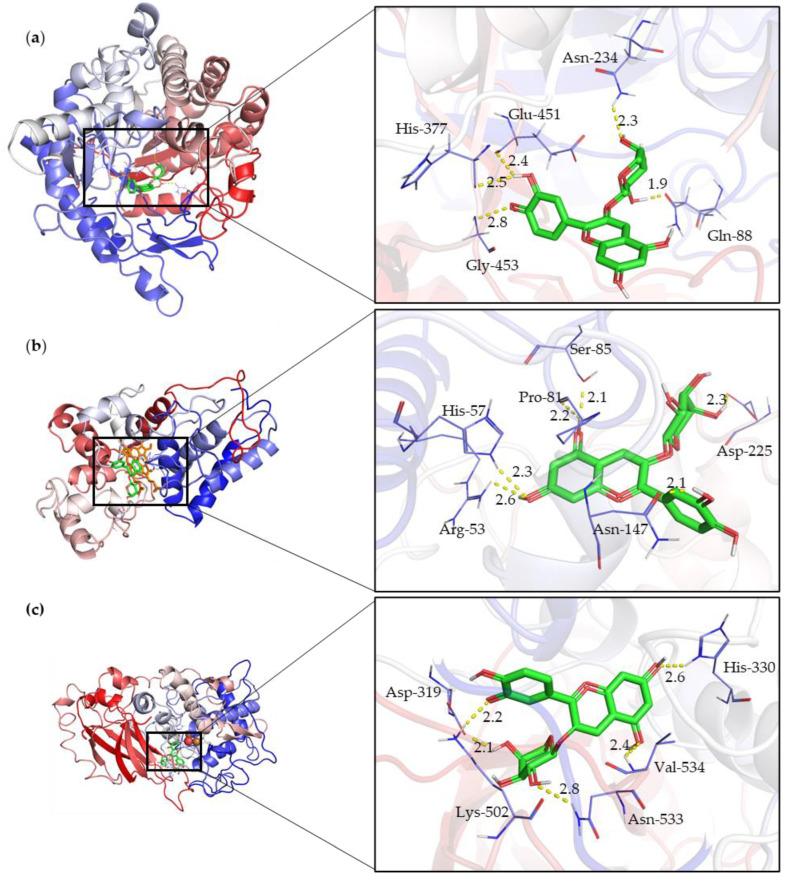
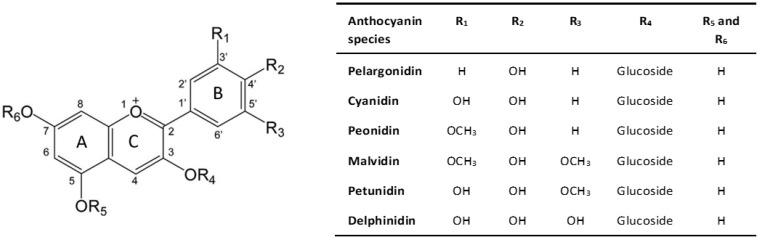
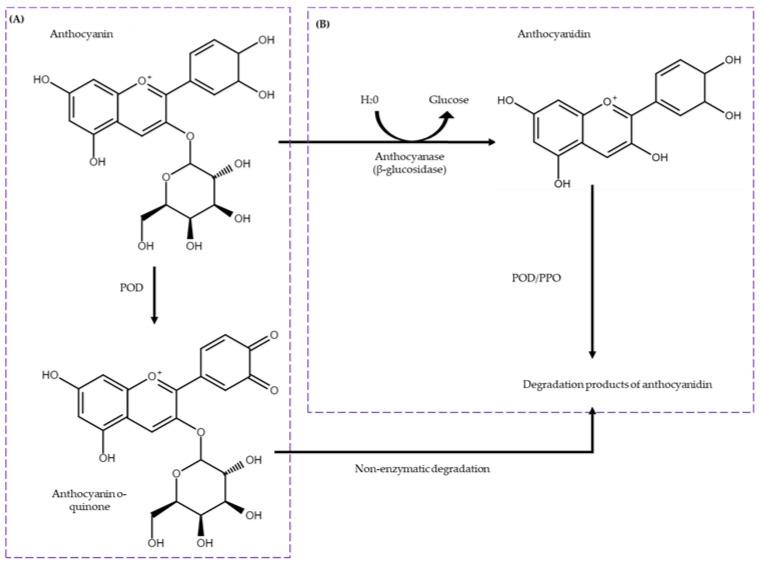
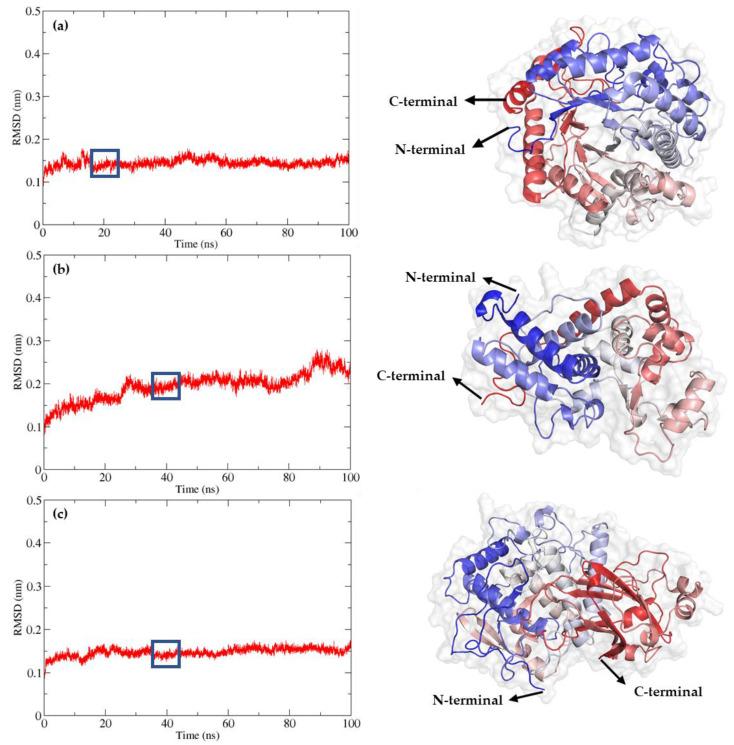
Anthocyanins are bioactive compounds responsible for various physiological processes in plants and provide characteristic colors to fruits and flowers. Their biosynthetic pathway is well understood; however, the enzymatic degradation mechanism is less explored. Anthocyanase (β-glucosidase (BGL)), peroxidase (POD), and polyphenol oxidase (PPO) are enzymes involved in degrading anthocyanins in plants such as petunias, eggplants, and oranges. The aim of this work was to investigate the physicochemical interactions between these enzymes and the identified anthocyanins (via UPLC-MS/MS) in cranberry () through molecular docking to identify the residues likely involved in anthocyanin degradation. Three-dimensional models were constructed using the AlphaFold2 server based on consensus sequences specific to each enzyme. The models with the highest confidence scores (pLDDT) were selected, with BGL, POD, and PPO achieving scores of 87.6, 94.8, and 84.1, respectively. These models were then refined using molecular dynamics for 100 ns. Additionally, UPLC-MS/MS analysis identified various flavonoids in cranberries, including cyanidin, delphinidin, procyanidin B2 and B4, petunidin, pelargonidin, peonidin, and malvidin, providing important experimental data to support the study. Molecular docking simulations revealed the most stable interactions between anthocyanase and the anthocyanins cyanidin 3-arabinoside and cyanidin 3-glucoside, with a favorable ΔG of interaction between -9.3 and -9.2 kcal/mol. This study contributes to proposing a degradation mechanism and seeking inhibitors to prevent fruit discoloration.
花色苷是植物中负责各种生理过程的生物活性化合物,为水果和花卉提供特征颜色。它们的生物合成途径已经得到很好的理解;然而,酶促降解机制研究较少。花色苷酶(β-葡萄糖苷酶(BGL))、过氧化物酶(POD)和多酚氧化酶(PPO)是参与降解矮牵牛、茄子和橙子等植物中花色苷的酶。这项工作的目的是通过分子对接研究这些酶与小红莓()中鉴定出的花色苷(通过 UPLC-MS/MS)之间的物理化学相互作用,以确定可能参与花色苷降解的残基。使用特定于每种酶的共识序列,使用 AlphaFold2 服务器构建三维模型。选择置信度评分(pLDDT)最高的模型,BGL、POD 和 PPO 的评分分别为 87.6、94.8 和 84.1。然后使用分子动力学对这些模型进行 100 ns 的细化。此外,UPLC-MS/MS 分析鉴定了小红莓中的各种类黄酮,包括矢车菊素、飞燕草素、原花青素 B2 和 B4、芍药素、天竺葵素、矢车菊素、锦葵素和二甲花翠素,为支持该研究提供了重要的实验数据。分子对接模拟揭示了花色苷酶与花色苷矢车菊素 3-阿拉伯糖苷和矢车菊素 3-葡萄糖苷之间最稳定的相互作用,相互作用的有利ΔG 为-9.3 至-9.2 kcal/mol。这项研究有助于提出一种降解机制,并寻找抑制剂以防止水果变色。
 Zotero 插件