
利用再生橡胶提高水泥砂浆抗冲击性的试验研究
Experimental study on recycling rubber to increase the impact resistance of cement mortar.
作者信息
Ran Tao, Pang Jianyong, Wu Di
机构信息
School of Civil Engineering and Architecture, Anhui University of Science and Technology, Huainan, 232001, China.
School of Computing, Macquarie University, Macquarie Park, NSW, 2109, Australia.
出版信息
Sci Rep. 2024 Oct 24;14(1):25230. doi: 10.1038/s41598-024-73834-6.
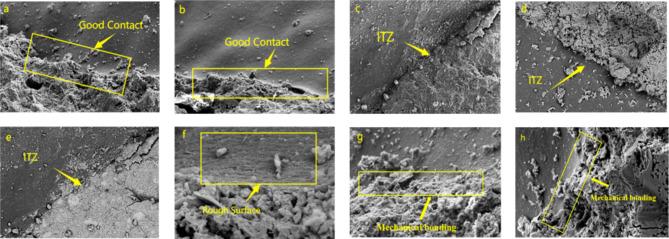
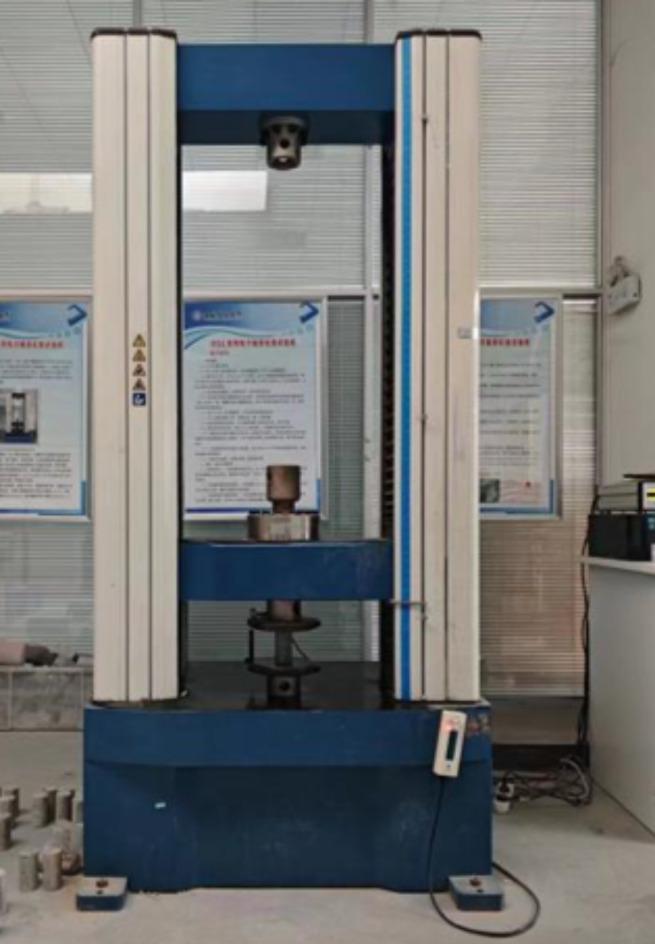
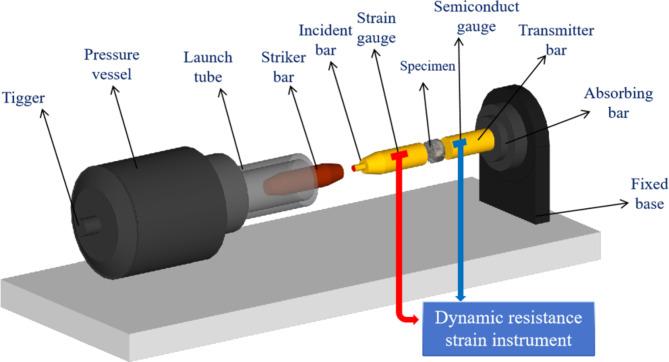
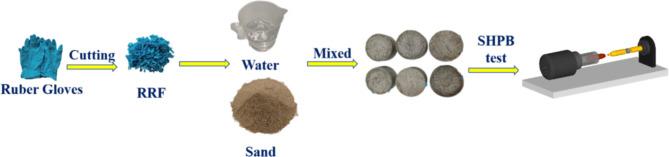
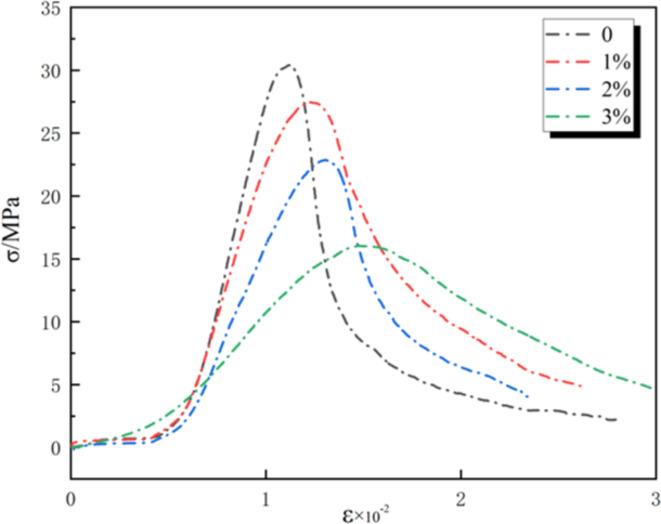
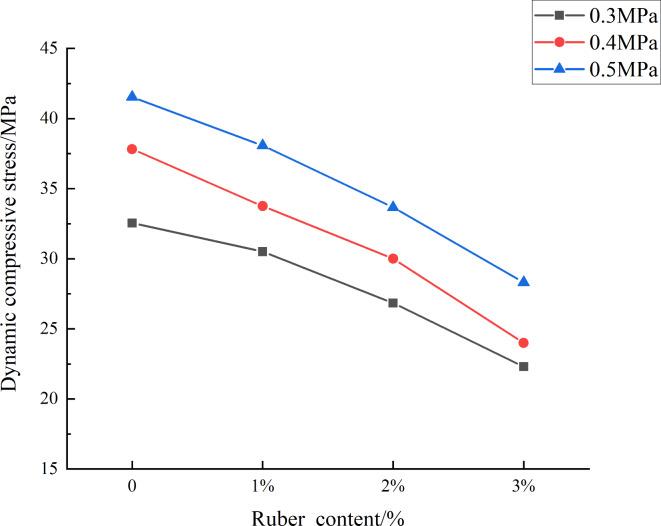
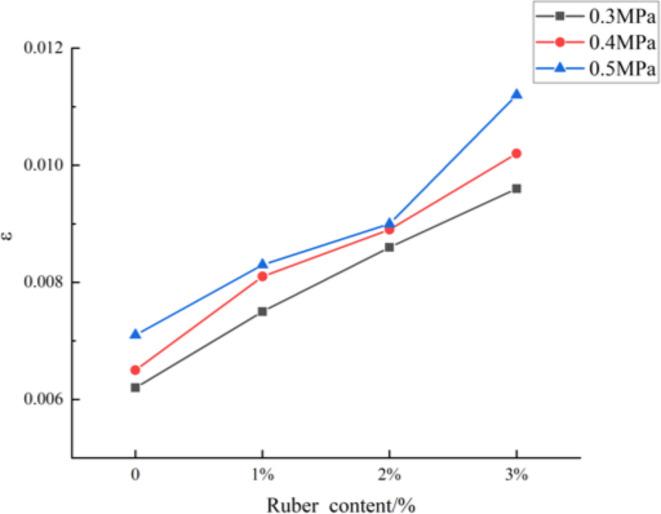
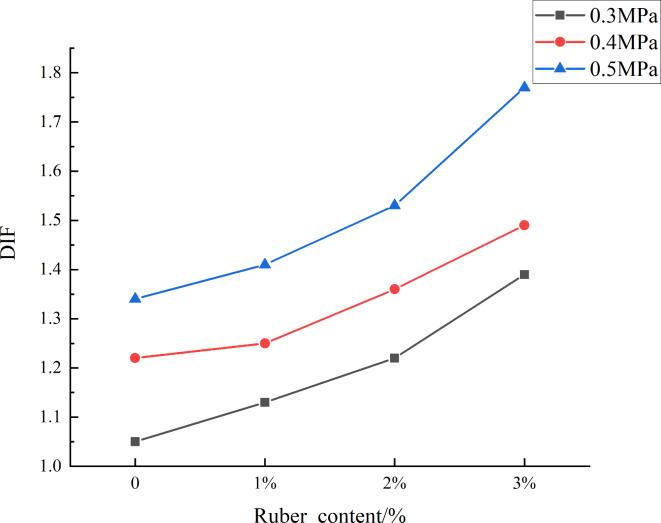
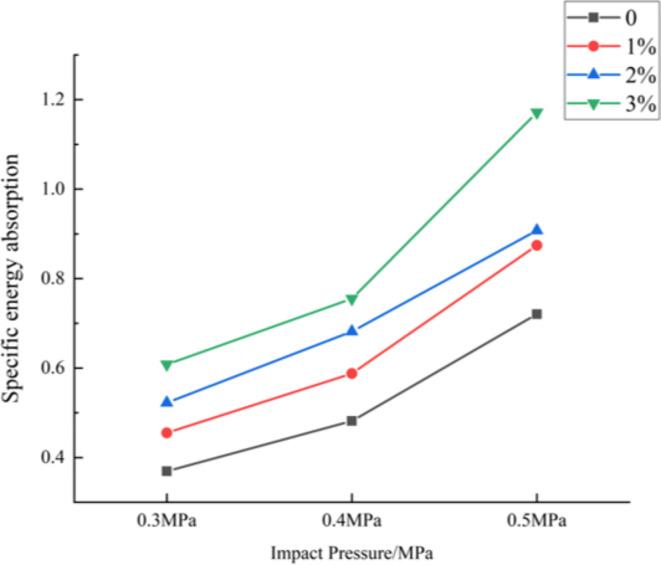
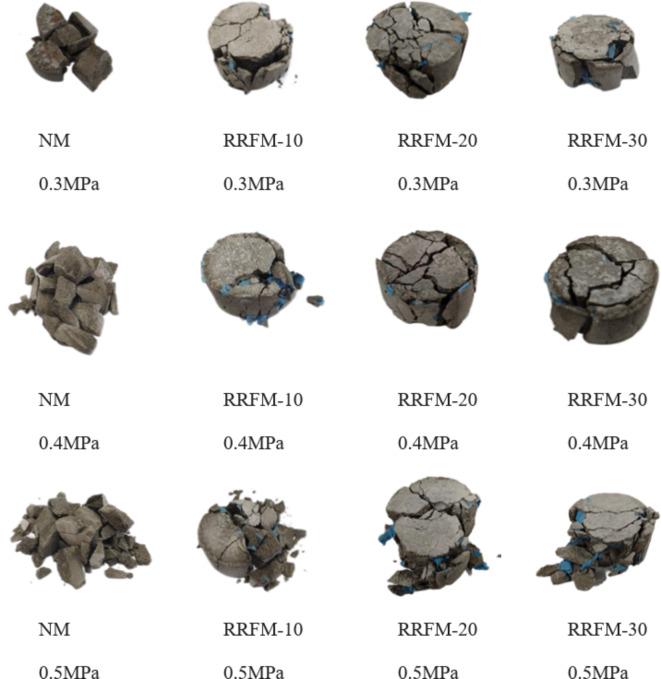
The COVID-19 pandemic has led to a surge in medical waste generation, posing hazards to both the environment and global health. The impacts of the COVID-19 pandemic's medical waste hazard may persist long after the pandemic itself subsides. Improper disposal of medical waste can contaminate environment, posing risks to ecosystems and public health. Discarded medical rubber gloves, for example, can become a source of infection, improper disposal of these gloves can escalate the spread of infectious diseases and increase the risk of transmission of the virus to the general public. This study proposes an innovative and sustainable method to reinforce cement mortar by adding recycled glove rubber as an additive to cement mortar to increase its resistance to impact loads. This study conducted uniaxial compression tests, separating hopkinson pressure bar (SHPB) experiments and SEM observations to evaluate the quasi-static compressive strength and dynamic stress of recycled rubber fiber mortar (RRFM) with varying recycled rubber fiber (RRF) contents (0, 1%, 2%, 3%). Strain curves, dynamic increase factor (DIF), energy absorption rules, failure modes, and microstructure of RRFM mixtures. The experimental results demonstrate that with the addition of RRF, the dynamic stress-strain curve flattens and the peak strain gradually increases. The RRFM sample shows stronger toughness. In comparison to regular cement mortar (NM), RRFM has a higher DIF and specific absorbed energy, a faster increase in dynamic compressive strength, and the ability to absorb more energy per unit volume. Under the same impact load, RRFM has fewer and smaller cracks than NM. Scanning electron microscopy (SEM) testing also observed that RRF formed a strong connection pattern with the cement mortar matrix.
新冠疫情导致医疗废物产生量激增,对环境和全球健康都构成了危害。新冠疫情医疗废物危害的影响可能在疫情本身消退后仍会长期存在。医疗废物处置不当会污染环境,给生态系统和公众健康带来风险。例如,废弃的医用橡胶手套可能成为传染源,这些手套处置不当会加剧传染病传播,并增加病毒传播给普通公众的风险。本研究提出了一种创新且可持续的方法,即通过在水泥砂浆中添加回收手套橡胶作为添加剂来增强水泥砂浆,以提高其抗冲击载荷能力。本研究进行了单轴压缩试验、分离式霍普金森压杆(SHPB)试验和扫描电子显微镜(SEM)观察,以评估不同回收橡胶纤维(RRF)含量(0、1%、2%、3%)的再生橡胶纤维砂浆(RRFM)的准静态抗压强度和动态应力。RRFM混合物的应变曲线、动态增强因子(DIF)、能量吸收规律、破坏模式和微观结构。实验结果表明,随着RRF的添加,动态应力-应变曲线变平,峰值应变逐渐增加。RRFM样品表现出更强的韧性。与普通水泥砂浆(NM)相比,RRFM具有更高的DIF和比吸收能量,动态抗压强度增长更快,且单位体积能吸收更多能量。在相同冲击载荷下,RRFM的裂缝比NM更少、更小。扫描电子显微镜(SEM)测试还观察到,RRF与水泥砂浆基体形成了牢固的连接模式。


 Zotero 插件