
饮食节律与代谢相关脂肪性肝病相关肝细胞癌
Dietary Rhythms and MASLD-Related Hepatocellular Carcinoma.
作者信息
Malakmahmoudi Nadia, Pisu Roberta, Laconi Ezio, Marongiu Fabio
机构信息
Department of Biomedical Science, University of Cagliari, 09124 Cagliari, Italy.
出版信息
Cancers (Basel). 2024 Oct 14;16(20):3481. doi: 10.3390/cancers16203481.
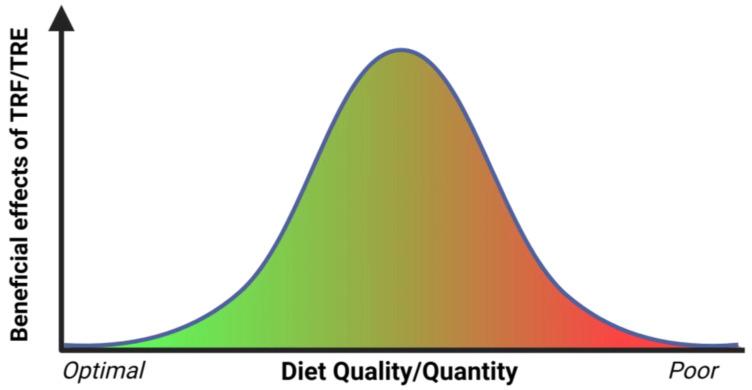
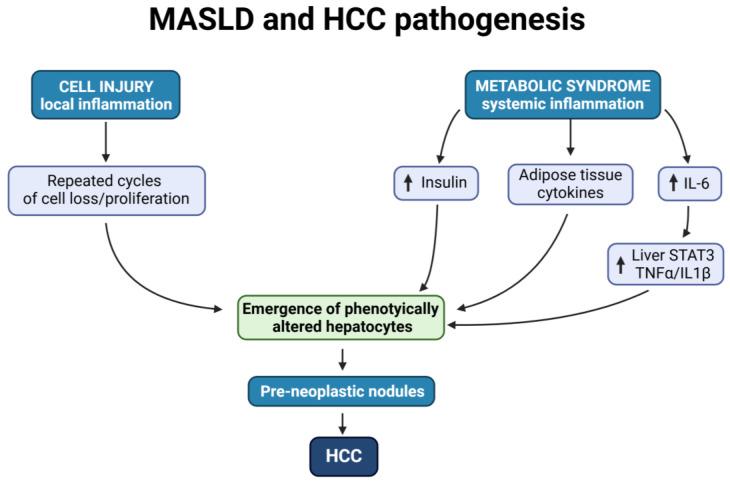
Dietary rhythms have emerged as a relevant variable in the equation relating nutrition and health. Both experimental and epidemiological studies point to potential beneficial effects of adequate fasting intervals between meals on the evolution of chronic diseases associated with aging. Metabolic dysfunction-associated steatotic liver disease (MASLD) is eminently related to diet and unsurprisingly, diet-based approaches are a mainstay in countering its long-term clinical evolution, including the emergence of hepatocellular carcinoma (HCC). We briefly discuss current evidence linking fasting intervals, MASLD, and HCC and propose a working hypothesis to reconcile some of the apparently conflicting results. This hypothesis relates the beneficial effects of time-restricted eating schedules to the quantity and quality of food, and it is easily amenable to testing.
饮食节律已成为营养与健康关系等式中的一个相关变量。实验研究和流行病学研究均表明,餐间适当的禁食间隔对与衰老相关的慢性疾病的发展具有潜在的有益影响。代谢功能障碍相关脂肪性肝病(MASLD)与饮食密切相关,不出所料,基于饮食的方法是对抗其长期临床进展(包括肝细胞癌(HCC)的出现)的主要手段。我们简要讨论了将禁食间隔、MASLD和HCC联系起来的现有证据,并提出了一个工作假设,以调和一些明显相互矛盾的结果。该假设将限时进食计划的有益效果与食物的数量和质量联系起来,并且很容易进行检验。
 Zotero 插件