
医疗器械支持的以人为中心的服务流程设计框架:以帕金森病可穿戴设备为例。
A Framework for the Human-Centered Design of Service Processes Enabled by Medical Devices: A Case Study of Wearable Devices for Parkinson's Disease.
机构信息
Dipartimento di Ingegneria Industriale, University of Florence, Viale Morgagni 40/44, 50134 Florence, Italy.
Dipartimento di Scienze Aziendali, University of Bologna, Via Capo di Lucca 34, 40126 Bologna, Italy.
出版信息
Int J Environ Res Public Health. 2024 Oct 16;21(10):1367. doi: 10.3390/ijerph21101367.
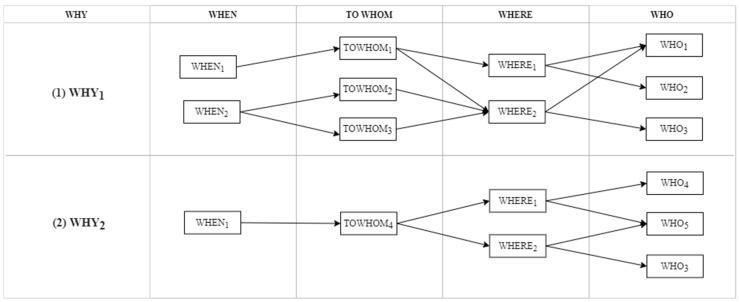
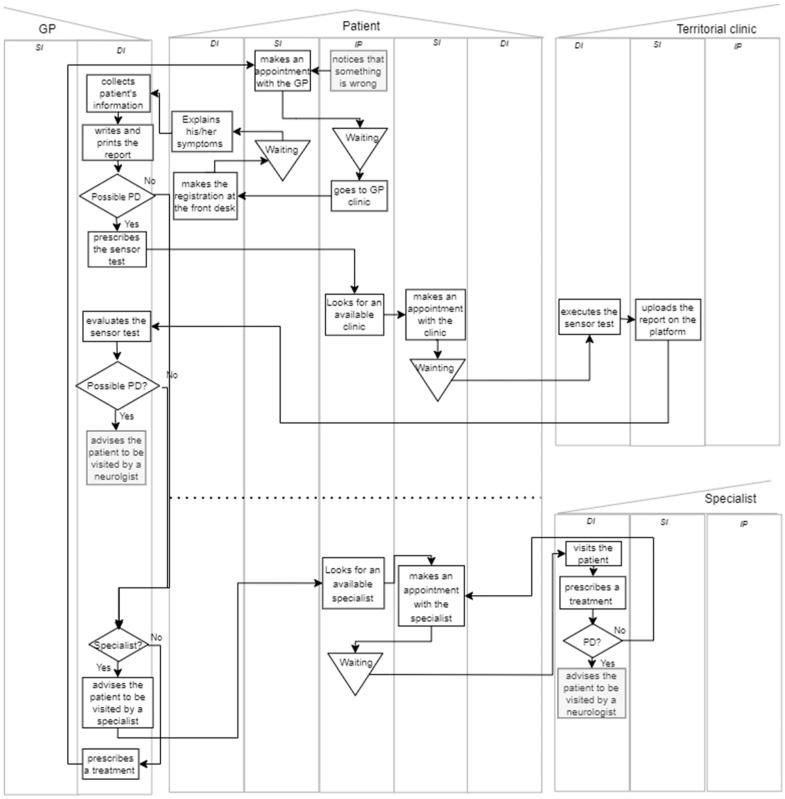
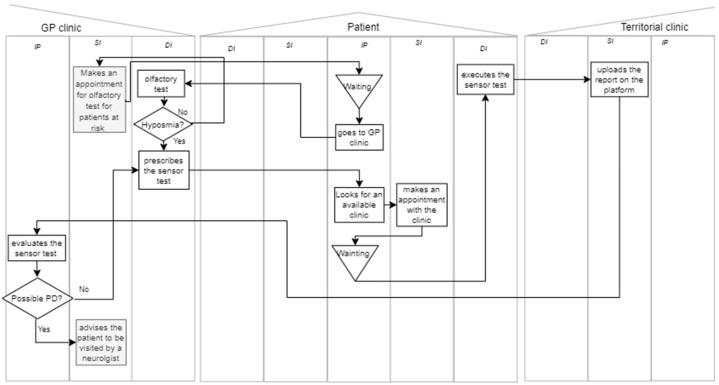
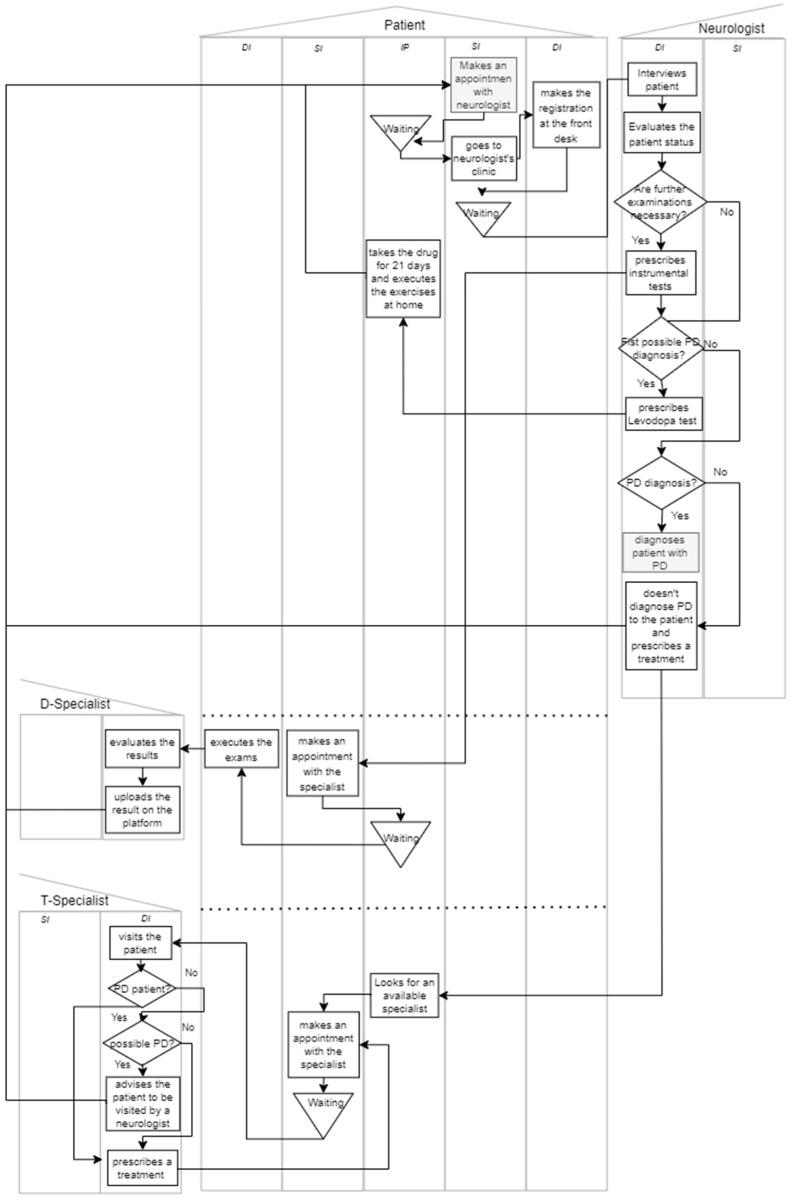
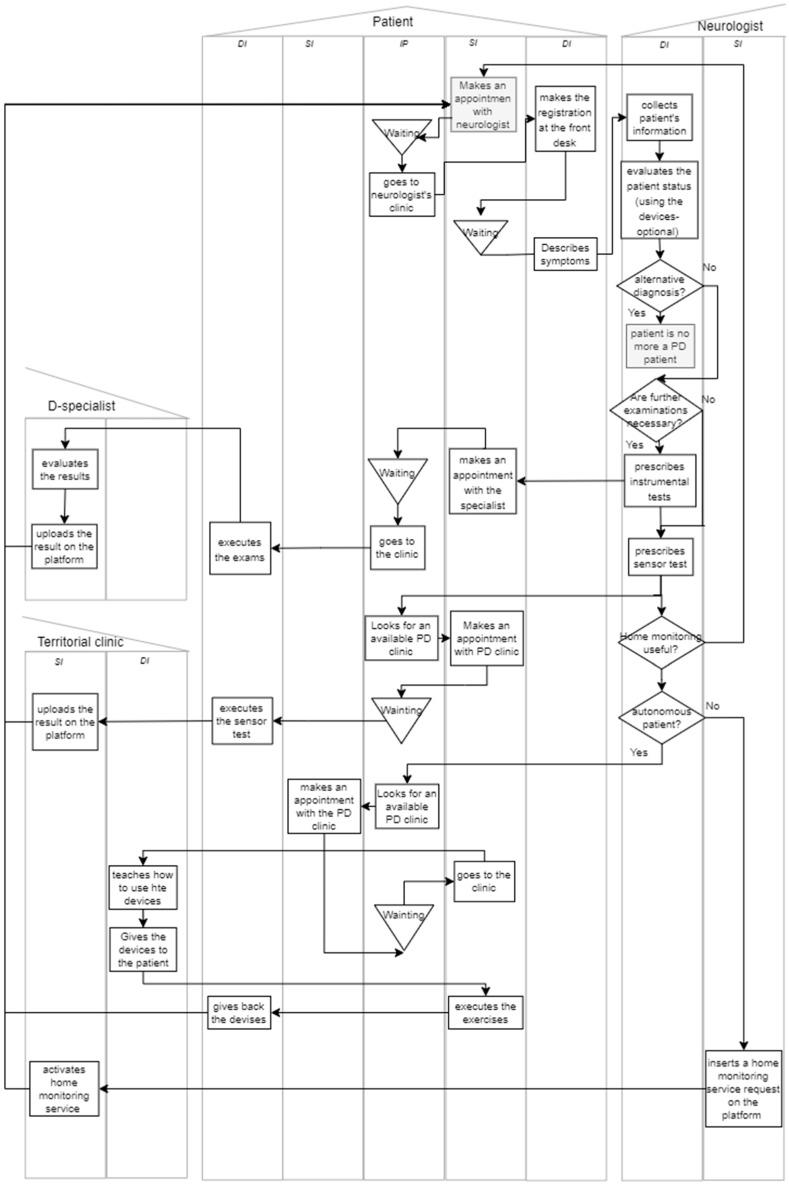
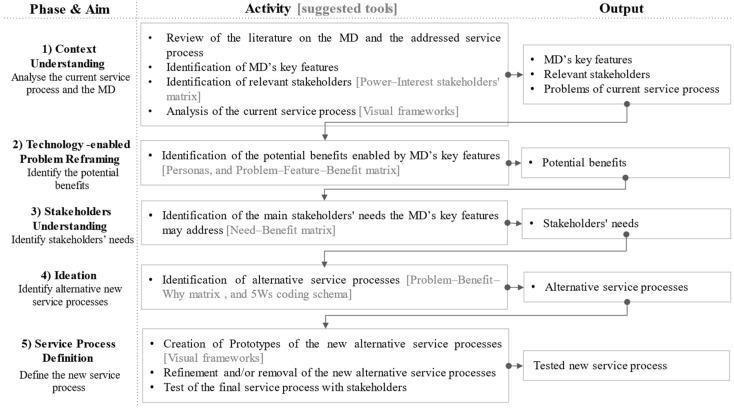
The successful introduction of medical devices (MDs) in real-world settings hinges on designing service processes that cater to stakeholders' needs. While human-centered design (HCD) approaches have been widely applied to service process innovation, the literature lacks a methodology that leverages MDs' key features to design service processes that meet stakeholders' needs. This study aims to fill this gap by developing a framework for the HCD of service processes enabled by MDs. The proposed framework mixes and adapts methodological elements from HCD and technology-enabled design approaches and proposes four new tools. The five-phase framework was applied to the design of a new Parkinson's disease diagnosis and treatment process (PD-DTP) enabled by two wearable MDs for the detection of motor symptoms. The case study lasted five months and involved 42 stakeholders in 21 meetings (interviews, focus groups, etc.). Thanks to the case study, the framework was tested, and a new PD-DTP that could benefit all stakeholders involved was identified. This study provides a framework that, in addition to contributing to theory, could assist MDs developers and healthcare managers in designing service processes that cater to stakeholders' needs by leveraging MDs' key features.
医疗器械(MDs)在实际环境中的成功引入取决于设计满足利益相关者需求的服务流程。虽然以人为中心的设计(HCD)方法已广泛应用于服务流程创新,但文献中缺乏一种利用 MDs 的关键特征来设计满足利益相关者需求的服务流程的方法。本研究旨在通过开发一个由 MDs 支持的服务流程的 HCD 框架来填补这一空白。该框架混合并调整了 HCD 和技术增强型设计方法的方法元素,并提出了四个新工具。该五阶段框架应用于由两个可穿戴 MDs 用于检测运动症状的新帕金森病诊断和治疗流程(PD-DTP)的设计。案例研究持续了五个月,涉及 21 次会议(访谈、焦点小组等)中的 42 个利益相关者。由于案例研究,对框架进行了测试,并确定了一种新的 PD-DTP,可以使所有相关利益相关者受益。本研究提供了一个框架,除了对理论有贡献外,还可以帮助 MDs 开发人员和医疗保健经理通过利用 MDs 的关键特征来设计满足利益相关者需求的服务流程。


 Zotero 插件