
移动医疗应用在糖尿病患者中的使用:系统评价和荟萃分析。
A mobile health application use among diabetes mellitus patients: a systematic review and meta-analysis.
机构信息
Department of Biomedical Science (Clinical Anatomy), Institute of Health, Faculty of Medicine, Jimma University, Jimma, Ethiopia.
Faculty of Engineering and Information Sciences, University of Wollongong, Wollongong, Australia.
出版信息
Front Endocrinol (Lausanne). 2024 Oct 11;15:1481410. doi: 10.3389/fendo.2024.1481410. eCollection 2024.
BACKGROUND
Mobile health technologies are increasingly acknowledged as a cost-effective and convenient means of delivering top-notch healthcare services to patients in low- and middle-income countries. This research explores the utilization of mobile health applications in managing, monitoring, and self-care for adult diabetes mellitus (DM) patients. The objective is to gain insight into how diabetic patients currently utilize Mobile health applications for self-management and their inclination to use them in the future.
METHODS
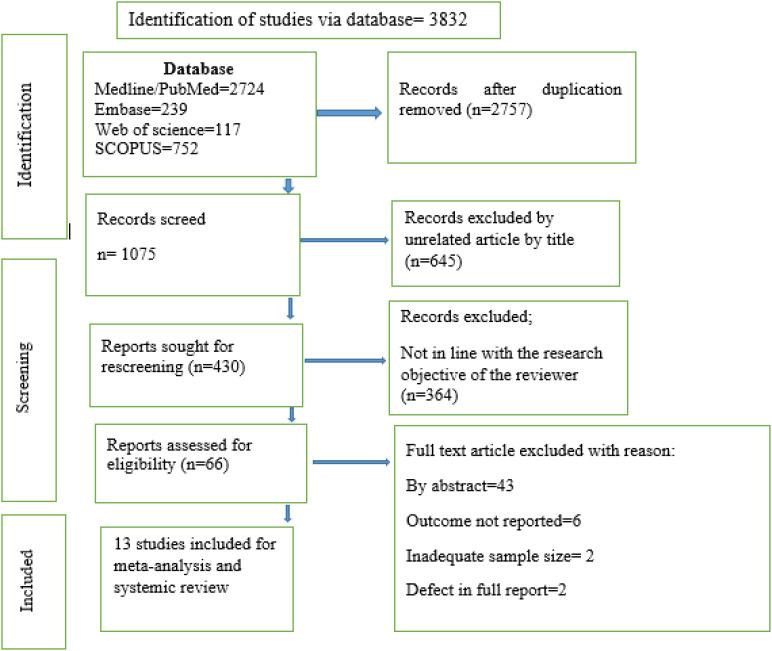
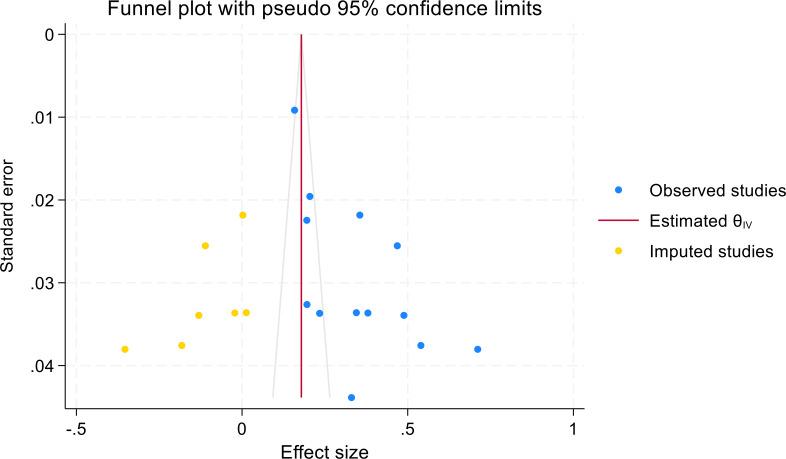
The authors conducted a systematic review and meta-analysis using the Preferred Reporting Items for Systematic Reviews and Meta-Analyses (PRISMA) guidelines. They included articles that reported on the use of mobile/smartphone applications for diabetic mellitus disorders, focusing on ownership, application use, future interest in use, and use patterns. The search was conducted in the PubMed, Web of Science, Embase, and SCOPUS electronic databases, with various published articles from January 2016 up to February 2024. The methodological quality was evaluated using the Joanna Briggs Institute critical appraisal tool. Statistical techniques were applied, including the heterogeneity test, publication bias assessment, Egger's test, and funnel plots. The pooled prevalence was calculated using meta-analysis proportion with a random-effects model.
RESULTS
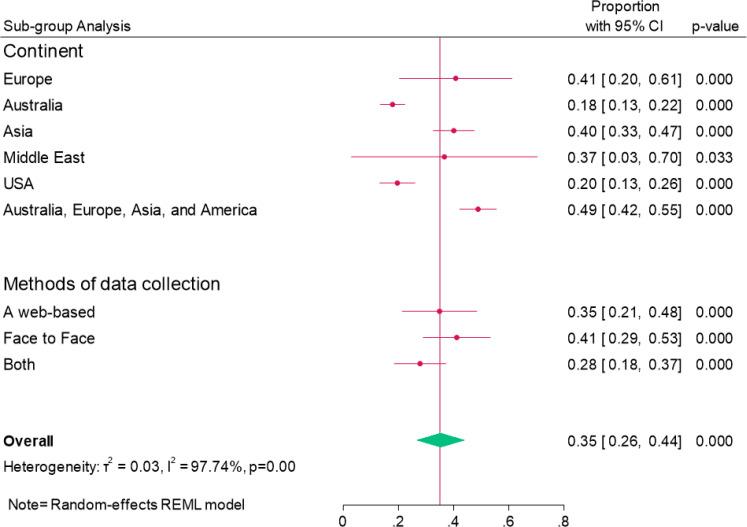
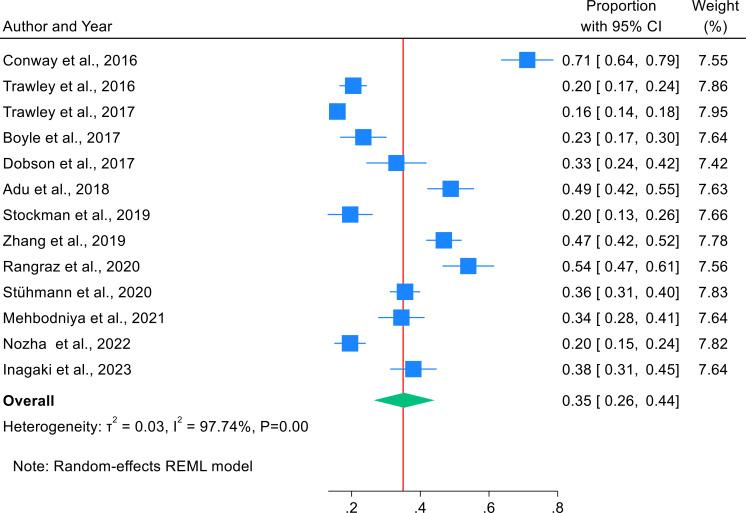
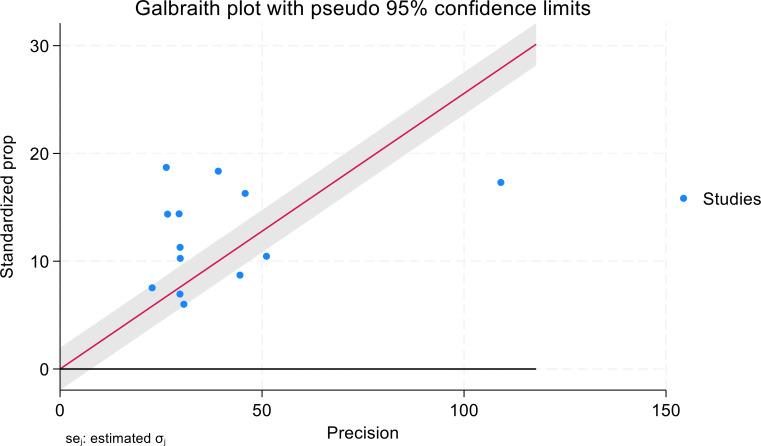
Thirteen studies were included, out of 4568 recognized articles. The pooled prevalence of mobile health application use for current diabetic management self-management, future interest in using the application for diabetic disorder self-management, and lack of belief in mobile health application users for self-management was 35%, 57%, and 39%, respectively. We observed significant heterogeneity (I = 97.7, p=<0.001), but no significant publication bias was detected on Egger's test.
CONCLUSIONS
Our meta-analysis results show that over one-third of individuals use mobile health applications for diabetic self-management, and more than half of individuals would like to manage their diabetes mellitus in the future by using mobile health applications. These mobile health apps may be promising in future diabetes mellitus self-management. However, we still need to study the effectiveness of these apps. In addition, adopting mobile health apps based on the cultural context makes this self-management more achievable, practical, and impactful for individuals with diabetes.
SYSTEMATIC REVIEW REGISTRATION
https://www.crd.york.ac.uk/prospero/, identifier 42024537917.
背景
移动医疗技术越来越被认为是在中低收入国家为患者提供优质医疗服务的一种具有成本效益和方便的手段。本研究探讨了移动医疗应用在管理、监测和成人糖尿病自我护理方面的应用。目的是了解糖尿病患者目前如何利用移动健康应用进行自我管理,以及他们未来使用这些应用的倾向。
方法
作者按照系统评价和荟萃分析的首选报告项目(PRISMA)指南进行了系统回顾和荟萃分析。他们纳入了报告移动/智能手机应用于糖尿病疾病管理的文章,重点关注所有权、应用使用、未来使用兴趣和使用模式。检索范围包括 PubMed、Web of Science、Embase 和 SCOPUS 电子数据库,涵盖了 2016 年 1 月至 2024 年 2 月期间的各种已发表文章。使用 Joanna Briggs 研究所的批判性评估工具评估方法学质量。应用了统计技术,包括异质性检验、发表偏倚评估、Egger 检验和漏斗图。使用随机效应模型的荟萃分析比例计算合并患病率。
结果
在 4568 篇已识别的文章中,有 13 篇研究被纳入。当前使用移动医疗应用进行糖尿病管理自我管理、未来有兴趣使用应用进行糖尿病障碍自我管理以及缺乏对移动医疗应用用户自我管理的信任的移动医疗应用使用的总体患病率分别为 35%、57%和 39%。我们观察到显著的异质性(I = 97.7,p<0.001),但在 Egger 检验中未发现显著的发表偏倚。
结论
我们的荟萃分析结果表明,超过三分之一的人使用移动医疗应用进行糖尿病自我管理,超过一半的人希望将来通过使用移动医疗应用来管理他们的糖尿病。这些移动医疗应用程序在未来的糖尿病自我管理中可能具有很大的前景。然而,我们仍需要研究这些应用程序的有效性。此外,根据文化背景采用移动医疗应用程序可以使这种自我管理对糖尿病患者更具可实现性、实用性和影响力。
系统审查注册
https://www.crd.york.ac.uk/prospero/,标识符 42024537917。
 Zotero 插件