
[某种细菌]的荚膜产生与生物膜形成之间的关系,以及与其他[细菌]建立多物种生物膜的过程 。 (注:原文中部分内容缺失具体所指,翻译时根据语境补充了“某种细菌”和“细菌”)
Relationship between capsule production and biofilm formation by , and establishment of a poly-species biofilm with other .
作者信息
Lee Yue-Jia, Cao Dianjun, Subhadra Bindu, De Castro Cristina, Speciale Immacolata, Inzana Thomas J
机构信息
Department of Veterinary Biomedical Sciences, College of Veterinary Medicine, Long Island University, 720 Northern Boulevard, Brookville, NY, 11548, USA.
Institute of Food Science and Technology, National Taiwan University, No. 1, Section 4, Roosevelt Rd., Taipei, 10617, Taiwan, ROC.
出版信息
Biofilm. 2024 Sep 28;8:100223. doi: 10.1016/j.bioflm.2024.100223. eCollection 2024 Dec.
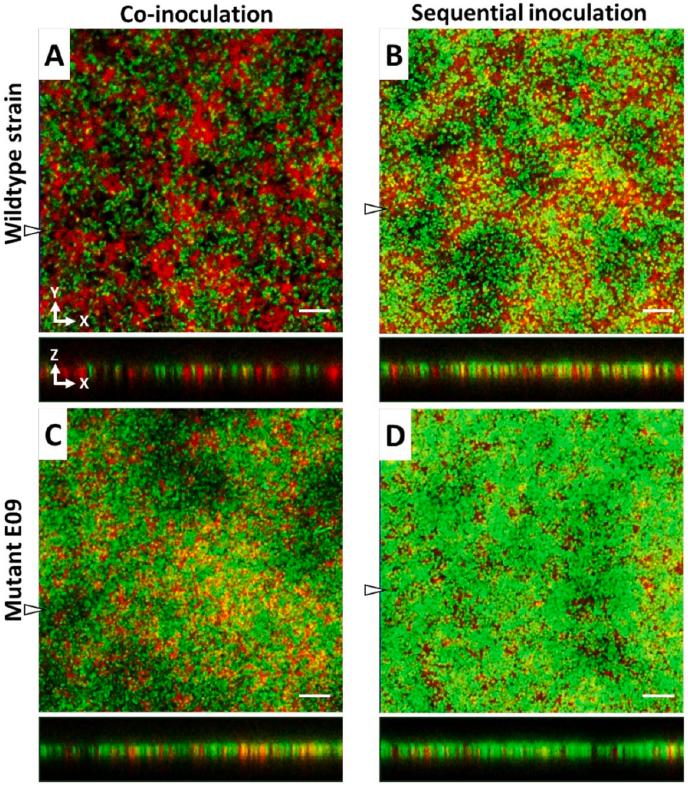
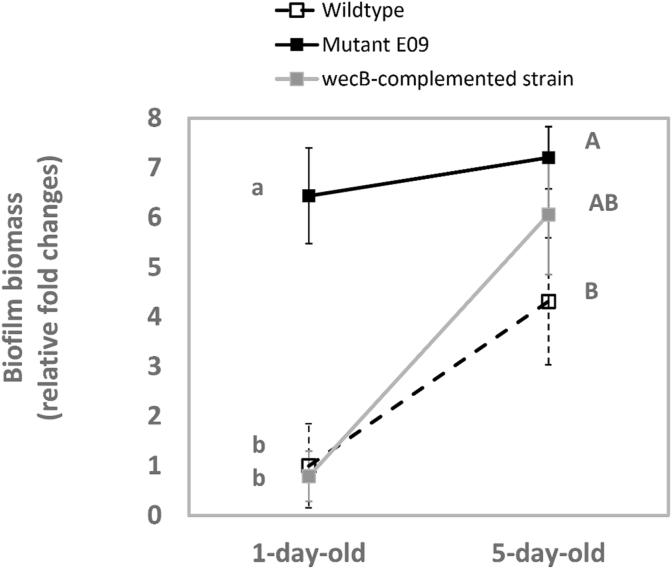
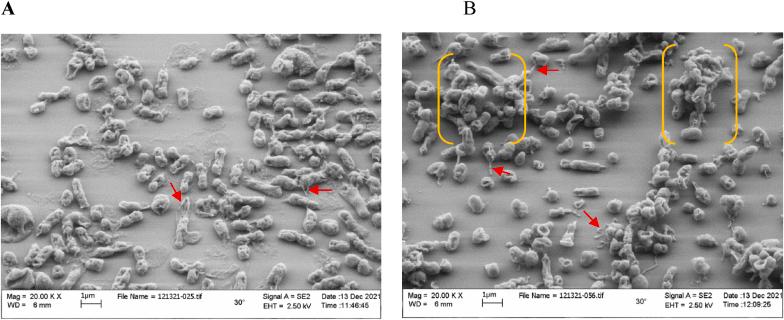
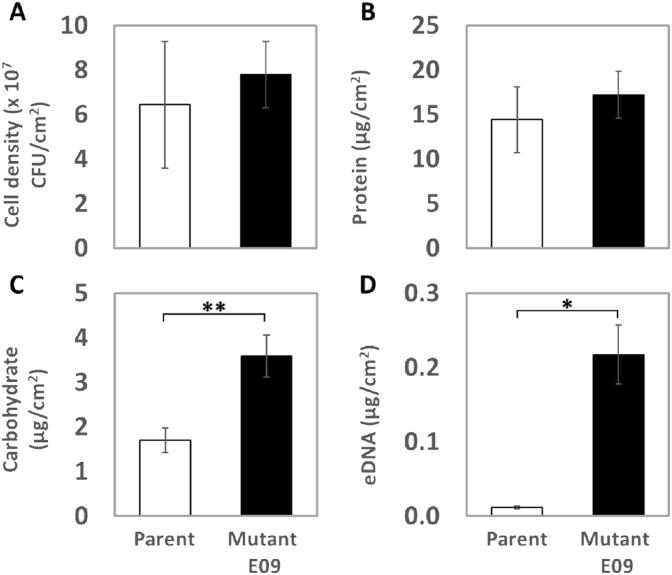
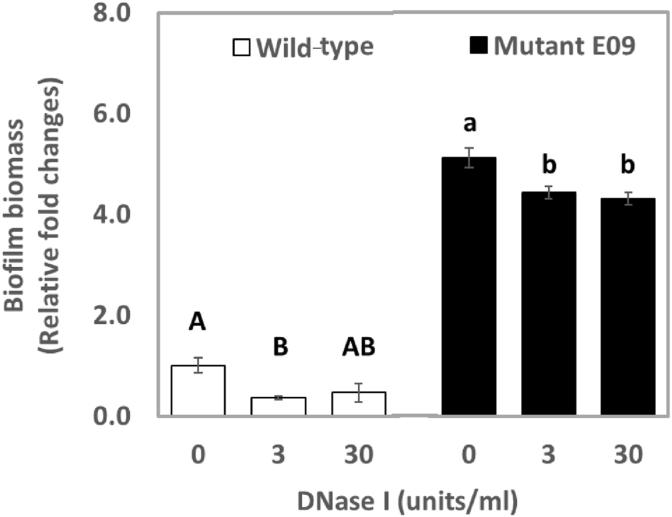
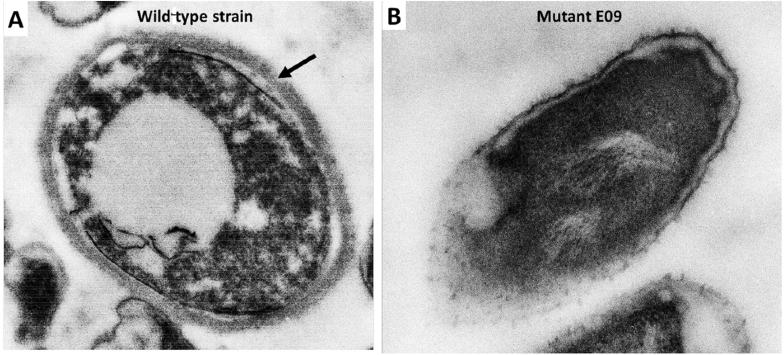
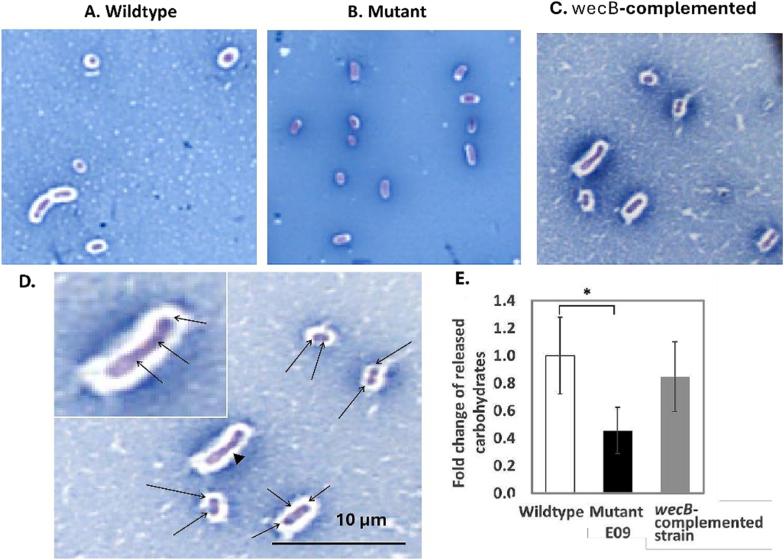
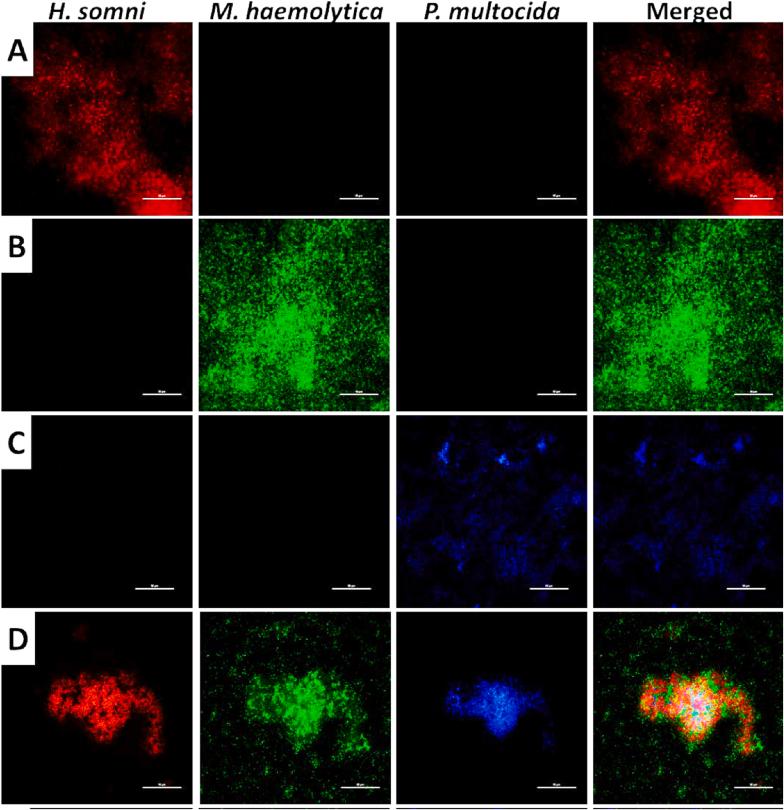
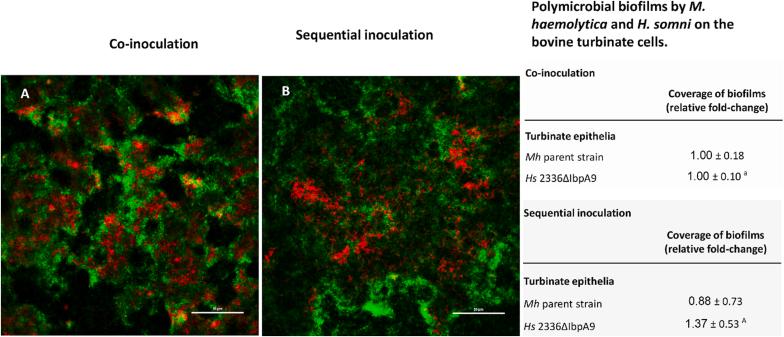
is one of the bacterial agents responsible for bovine respiratory disease (BRD). The capability of to form a biofilm may contribute to the development of chronic BRD infection by making the bacteria more resistant to host innate immunity and antibiotics. To improve therapy and prevent BRD, a greater understanding of the association between surface components and biofilm formation is needed. strain 619 (wild-type) made a poorly adherent, low-biomass biofilm. To examine the relationship between capsule and biofilm formation, a capsule-deficient mutant of wild-type was obtained following mutagenesis with ethyl methanesulfonate to obtain mutant E09. Loss of capsular polysaccharide (CPS) in mutant E09 was supported by transmission electron microscopy and Maneval's staining. Mutant E09 attached to polyvinyl chloride plates more effectively, and produced a significantly denser and more uniform biofilm than the wild-type, as determined by crystal violet staining, scanning electron microscopy, and confocal laser scanning microscopy with COMSTAT analysis. The biofilm matrix of E09 contained predominately protein and significantly more eDNA than the wild-type, but not a distinct exopolysaccharide. Furthermore, treatment with DNase I significantly reduced the biofilm content of both the wild-type and E09 mutant. DNA sequencing of E09 showed that a point mutation occurred in the capsule biosynthesis gene . The complementation of in mutant E09 successfully restored CPS production and reduced bacterial attachment/biofilm to levels similar to that of the wild-type. Fluorescence in-situ hybridization microscopy showed that formed a poly-microbial biofilm with and . Overall, CPS production by was inversely correlated with biofilm formation, the integrity of which required eDNA. A poly-microbial biofilm was readily formed between , , and , suggesting a mutualistic or synergistic interaction that may benefit bacterial colonization of the bovine respiratory tract.
是引起牛呼吸道疾病(BRD)的细菌病原体之一。形成生物膜的能力可能通过使细菌对宿主先天免疫和抗生素更具抗性,从而导致慢性BRD感染的发展。为了改善治疗方法并预防BRD,需要更深入地了解其表面成分与生物膜形成之间的关联。菌株619(野生型)形成的生物膜附着力差、生物量低。为了研究荚膜与生物膜形成之间的关系,在用甲磺酸乙酯诱变野生型后获得了一种荚膜缺陷突变体,得到突变体E09。透射电子显微镜和马尼瓦尔染色证实了突变体E09中荚膜多糖(CPS)的缺失。通过结晶紫染色、扫描电子显微镜和带有COMSTAT分析的共聚焦激光扫描显微镜测定,突变体E09比野生型更有效地附着在聚氯乙烯板上,并产生明显更致密、更均匀的生物膜。E09的生物膜基质主要包含蛋白质,与野生型相比,其胞外DNA显著更多,但没有明显的胞外多糖。此外,用DNA酶I处理显著降低了野生型和E09突变体的生物膜含量。E09的DNA测序表明,在荚膜生物合成基因中发生了一个点突变。在突变体E09中对该基因进行互补成功恢复了CPS的产生,并将细菌附着/生物膜减少到与野生型相似的水平。荧光原位杂交显微镜显示,与和形成了多微生物生物膜。总体而言,的CPS产生与生物膜形成呈负相关,生物膜的完整性需要胞外DNA。在、和之间很容易形成多微生物生物膜,这表明可能存在互利或协同相互作用,有利于牛呼吸道的细菌定植。


 Zotero 插件